
By AI Landscape Design Team · Editorial policy
What Is Mulch in Landscape Design?
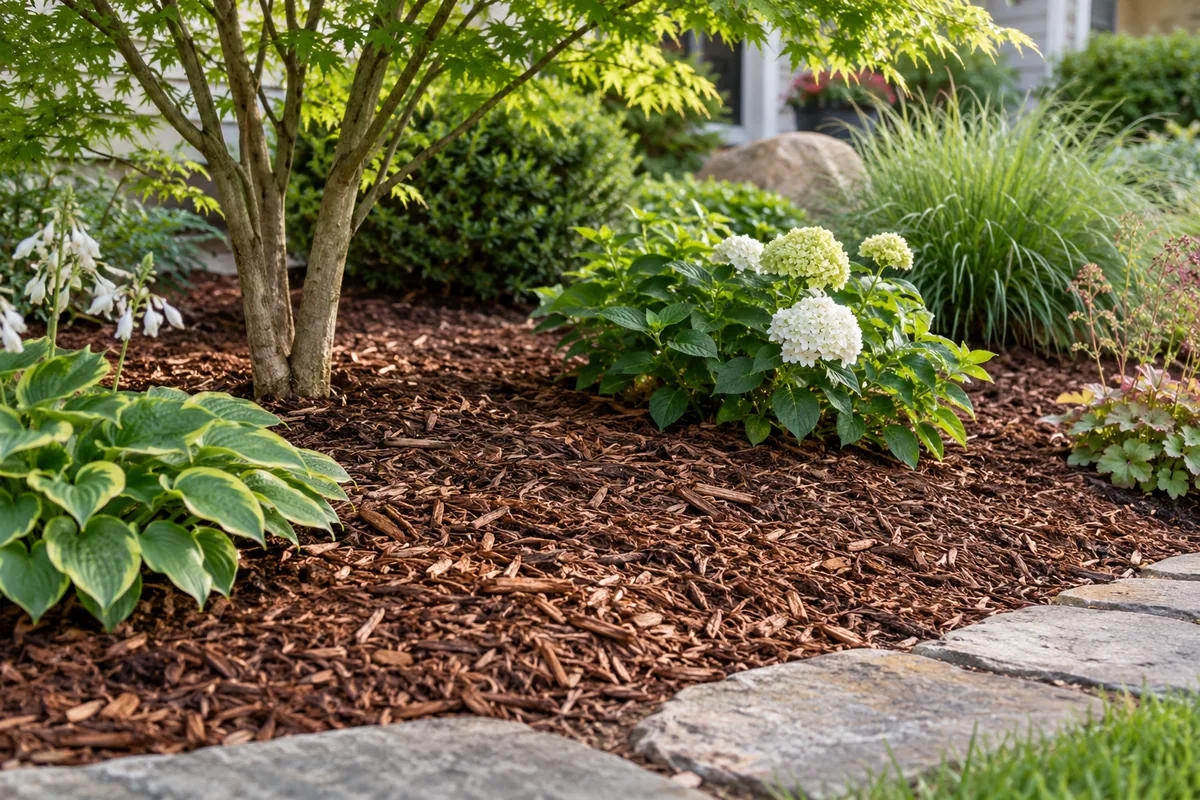
Mulch is a material placed on the soil surface around planting to cover exposed ground, with effects that depend on the chosen material and the way it is used. Organic and mineral coverings can differ in appearance and maintenance. Mulch is not the same thing as importing topsoil or mixing an amendment into the bed. The surface treatment should fit the plants, local conditions, and access needed for ordinary garden care.
Published · 2 min read
Key takeaways
- Mulch covers the soil surface.
- Material and application affect its role.
- Keep maintenance and safety access visible.
How is mulch used in landscape design?
Clarify the purpose of covering the soil before selecting a material. Appearance, upkeep, plant needs, and actual site conditions all matter. Seek appropriate horticultural guidance on placement and care rather than relying on a photograph for depth or clearances. Avoid assuming that every organic material is equivalent or that a stone surface is automatically the most practical choice near planting.
What does mulch look like in a yard?
A patio border with exposed soil may use a suitable surface covering while plants develop. Keep the edge readable and preserve access to inspect stems, irrigation, and the bed itself. Evaluate where material can move onto paving or collect near the house. Check local suitability and plant safety where pets or children reach the area; no surface treatment establishes those facts.
Which terms help explain mulch?
Compost describes a decomposed organic material that may be used in different ways. Soil amendment concerns changing soil properties, while topsoil is a soil layer. AI concepts can compare surface color and texture, but confirm the real material, placement, and care locally instead of copying a rendered ground covering literally.
Frequently asked questions
Is mulch always made from bark?
Bark is one mulch material, but other organic or mineral materials can serve as surface coverings. Their suitability depends on the plants and site. Compare maintenance, movement, and local advice rather than choosing only by color.
Is compost the same as mulch?
Compost names a material, while mulch describes a surface-covering role. Compost may be used in an appropriate surface context, but the terms are not interchangeable in every situation. Clarify the intended use and planting needs before application.
Can mulch make a bed maintenance-free?
A surface covering does not eliminate inspection, plant care, or all unwanted growth. The maintenance task depends on the material and conditions. Leave access to the bed and review actual performance rather than assuming the finished appearance will remain unchanged.
Related reading
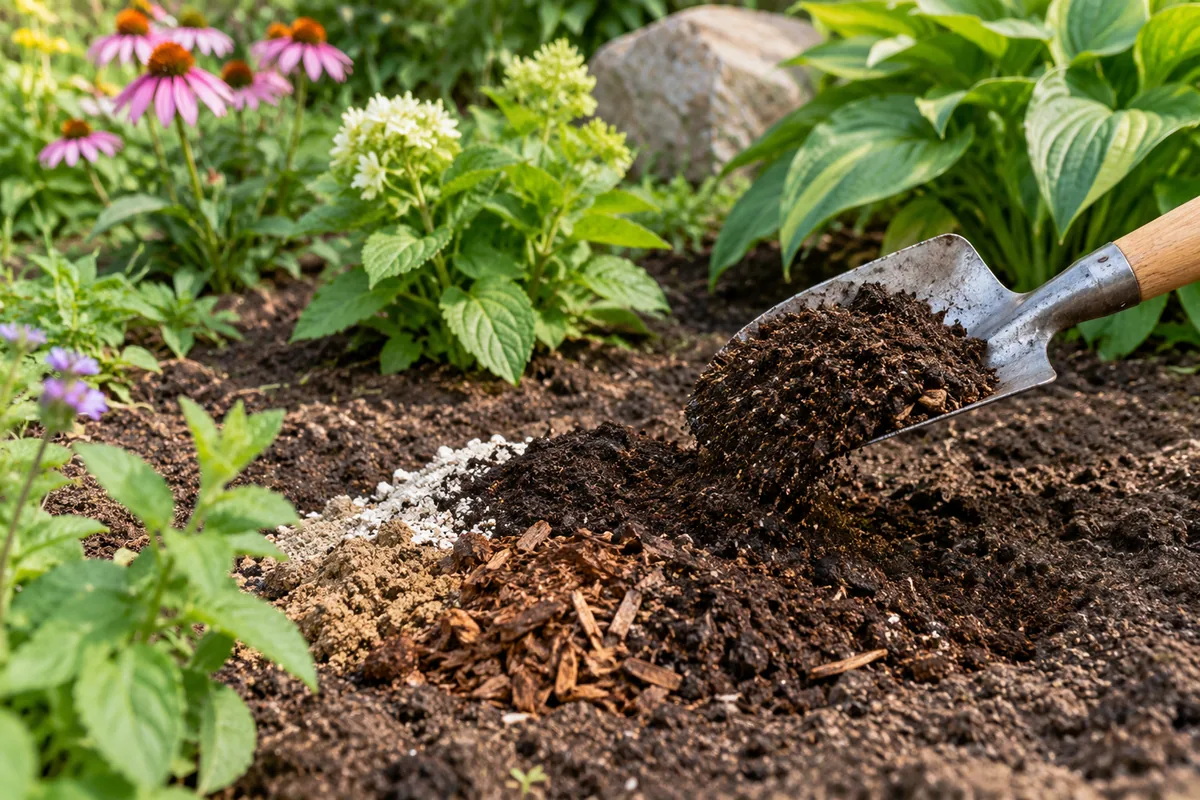
What Is Soil Amendment in Landscape Design?
Learn what soil amendment means in landscape design, with a practical yard example, related terms, and the site decisions to check before making changes.
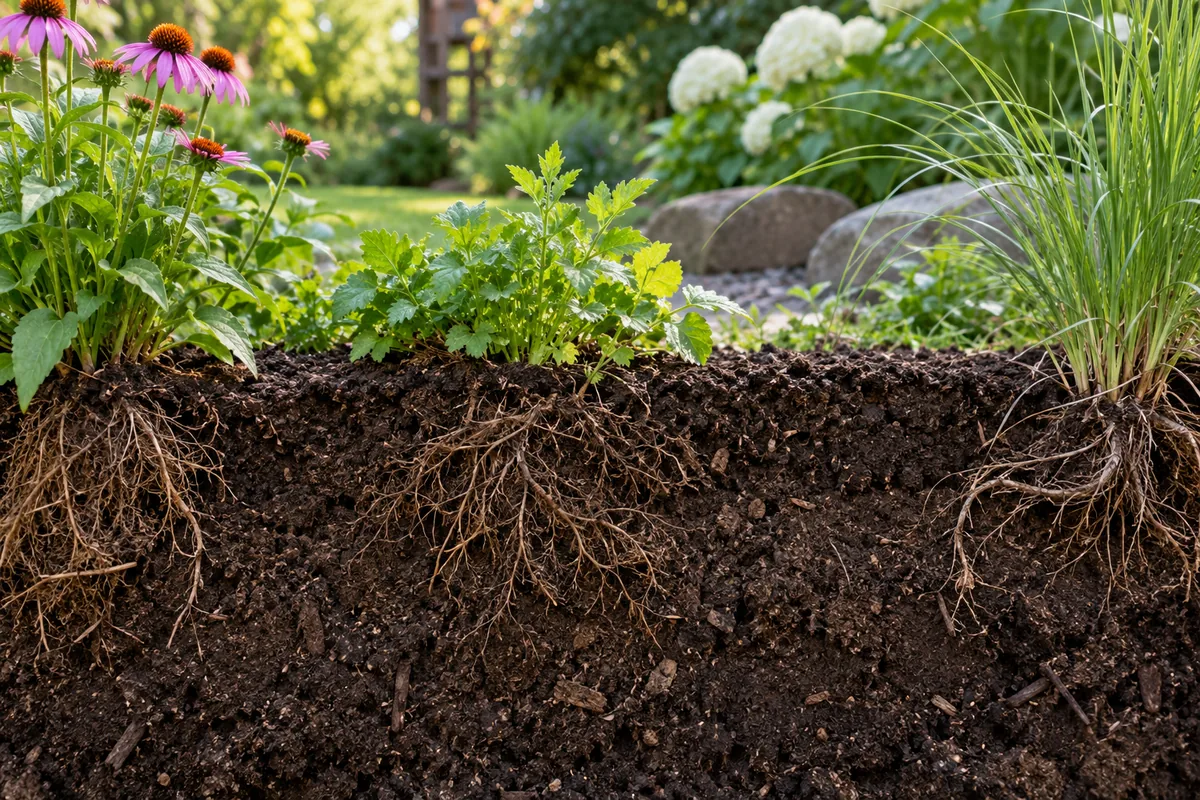
What Is Topsoil in Landscape Design?
Learn what topsoil means in landscape design, with a practical yard example, related terms, and the site decisions to check before making changes.
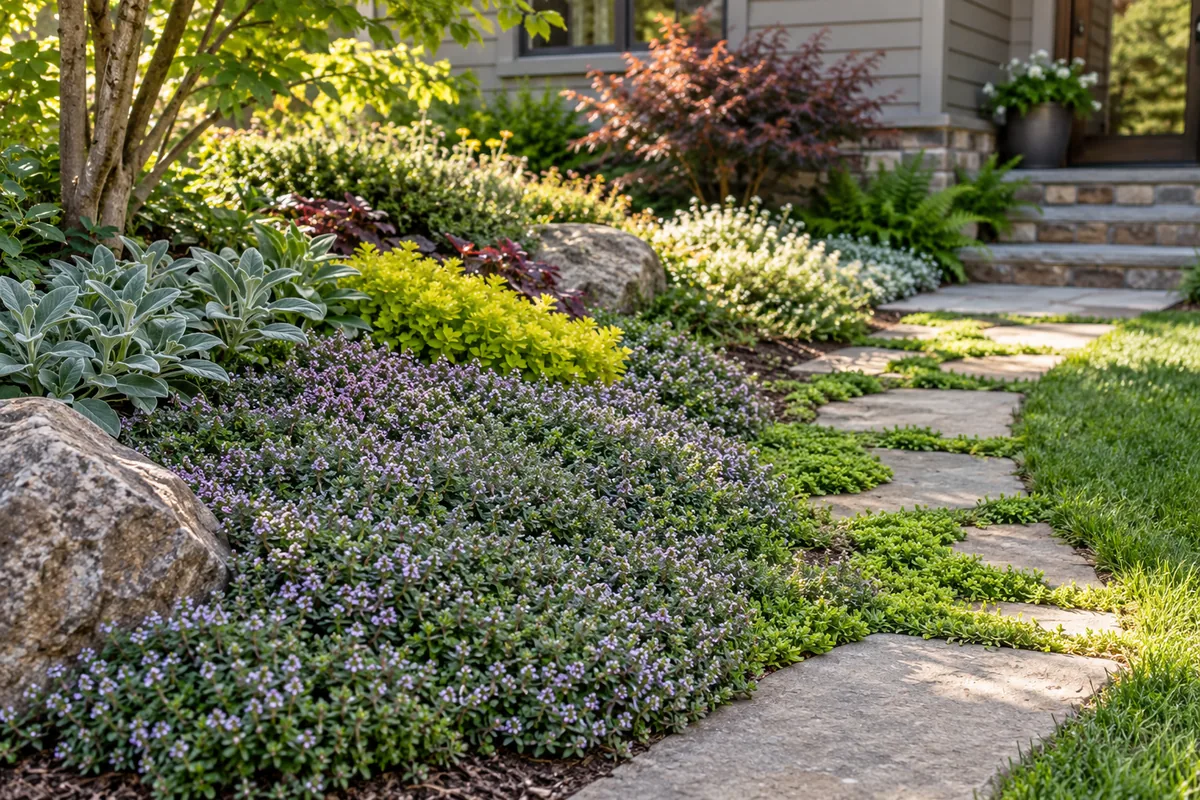
Ground Cover Plants for Borders and Deliberate Lawn Alternatives
Learn how ground cover plants fit your yard, with practical material, placement, upkeep, and safety questions to review before choosing a visual direction.
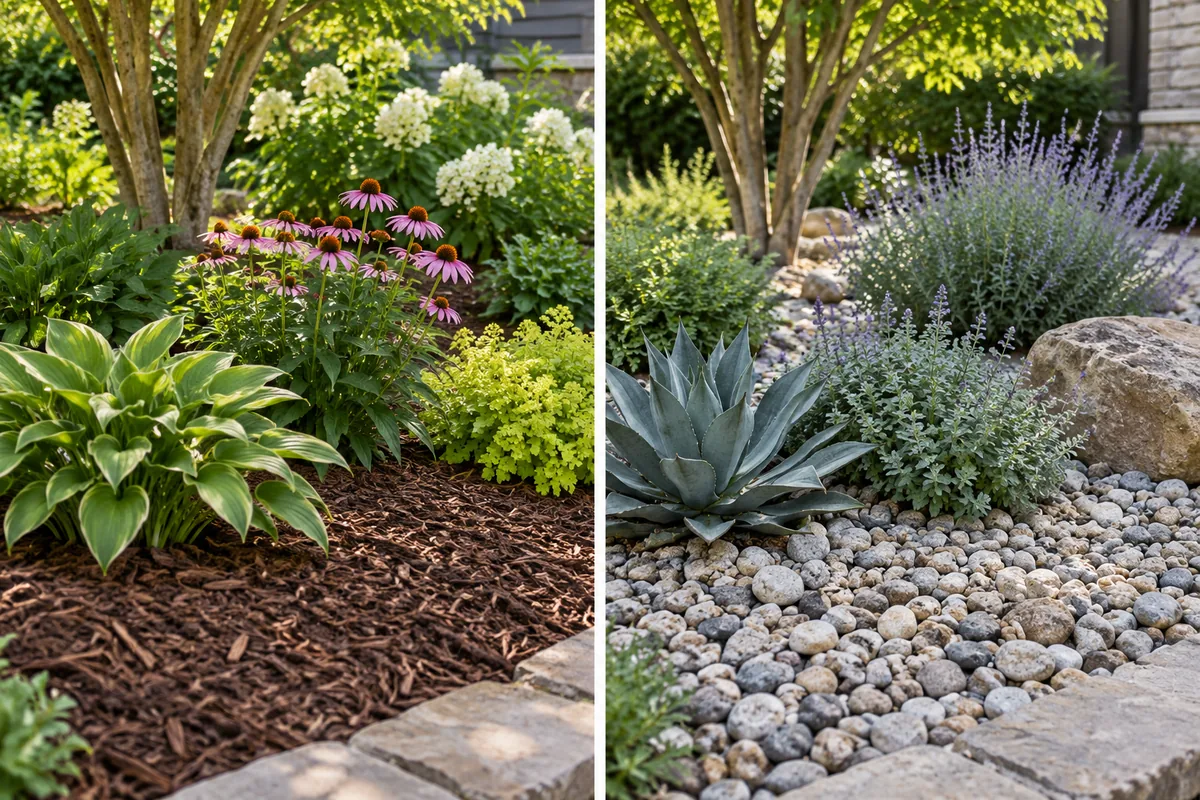
Organic mulch vs Rock landscaping: Which Fits Your Yard?
Compare organic mulch and rock landscaping for your yard. Review layout, materials, upkeep, and practical trade-offs before choosing a direction.
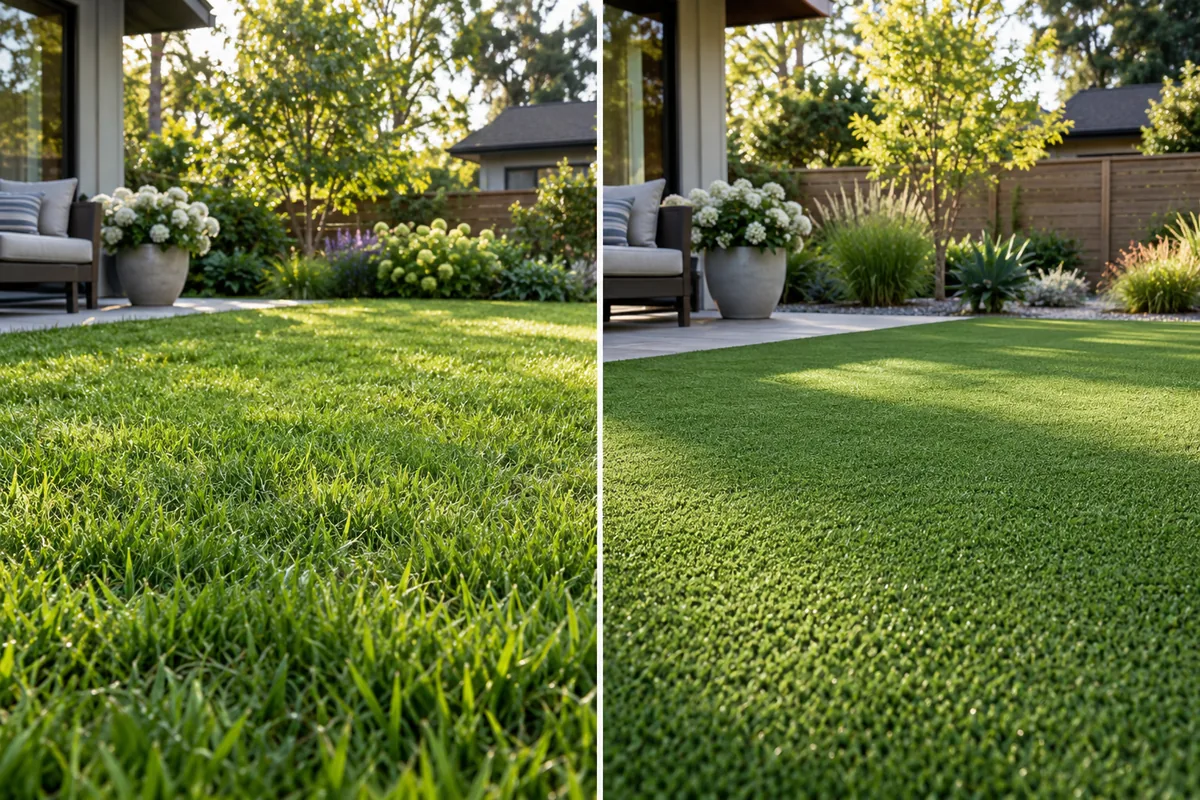
Artificial turf vs Natural grass: Which Fits Your Yard?
Compare artificial turf and natural grass for your yard. Review layout, materials, upkeep, and practical trade-offs before choosing a direction.
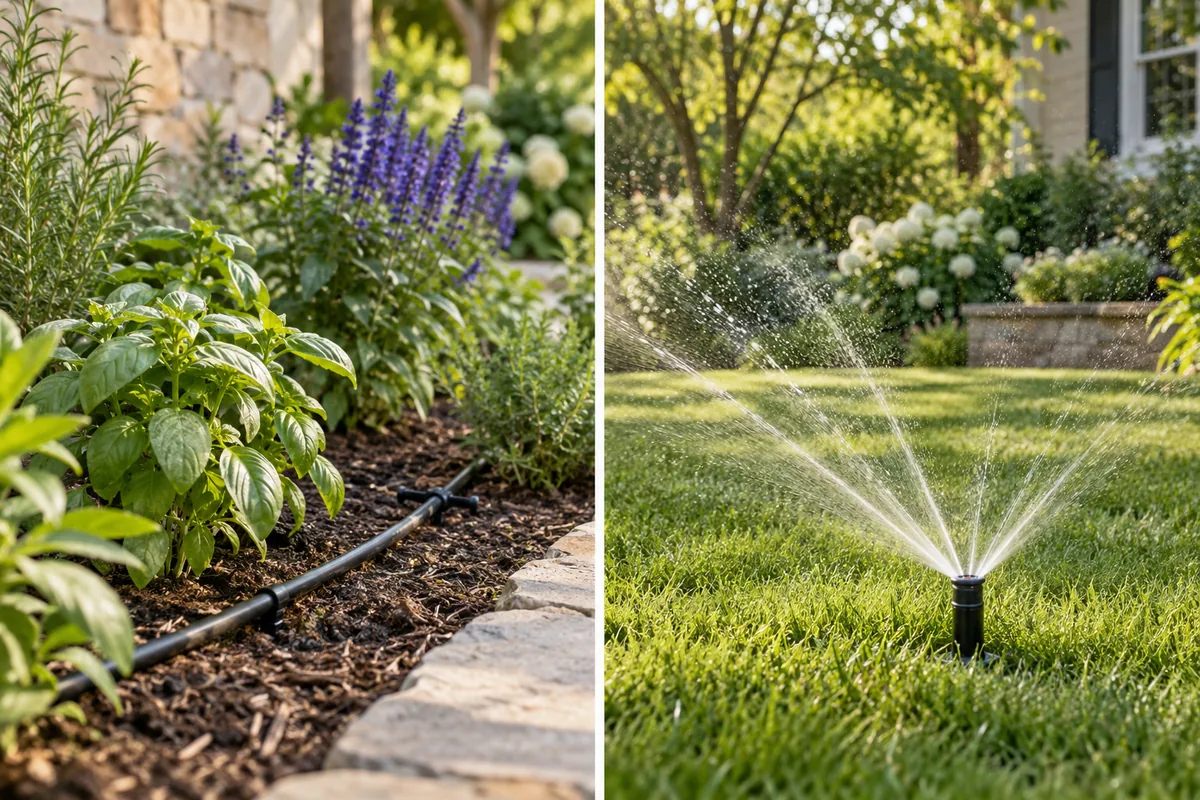
Drip irrigation vs Sprinkler irrigation: Which Fits Your Yard?
Compare drip irrigation and sprinkler irrigation for your yard. Review layout, materials, upkeep, and practical trade-offs before choosing a direction.