
By AI Landscape Design Team · Editorial policy
What Is Soil Amendment in Landscape Design?
A soil amendment is a material added to soil with the intention of changing its properties, such as structure or growing conditions, for a specific planting purpose. The term describes the intended use rather than one universal product. An amendment is not automatically fertilizer or a solution to drainage problems. Reliable soil information and local horticultural advice should guide whether any addition is useful and how it is applied.
Published · 2 min read
Key takeaways
- Choose amendments to address an identified need.
- Surface mulch and soil amendment have different roles.
- Soil products do not replace diagnosis.
How is soil amendment used in landscape design?
Define the problem before choosing material. Soil structure, chemistry, moisture, and nutrition are different considerations and may require different responses. Obtain an appropriate soil assessment instead of treating every bed alike. This explanation provides no application rates or mixing formulas. Products and techniques should follow reliable advice for the actual soil and intended planting, not a generalized appearance goal.
What does soil amendment look like in a yard?
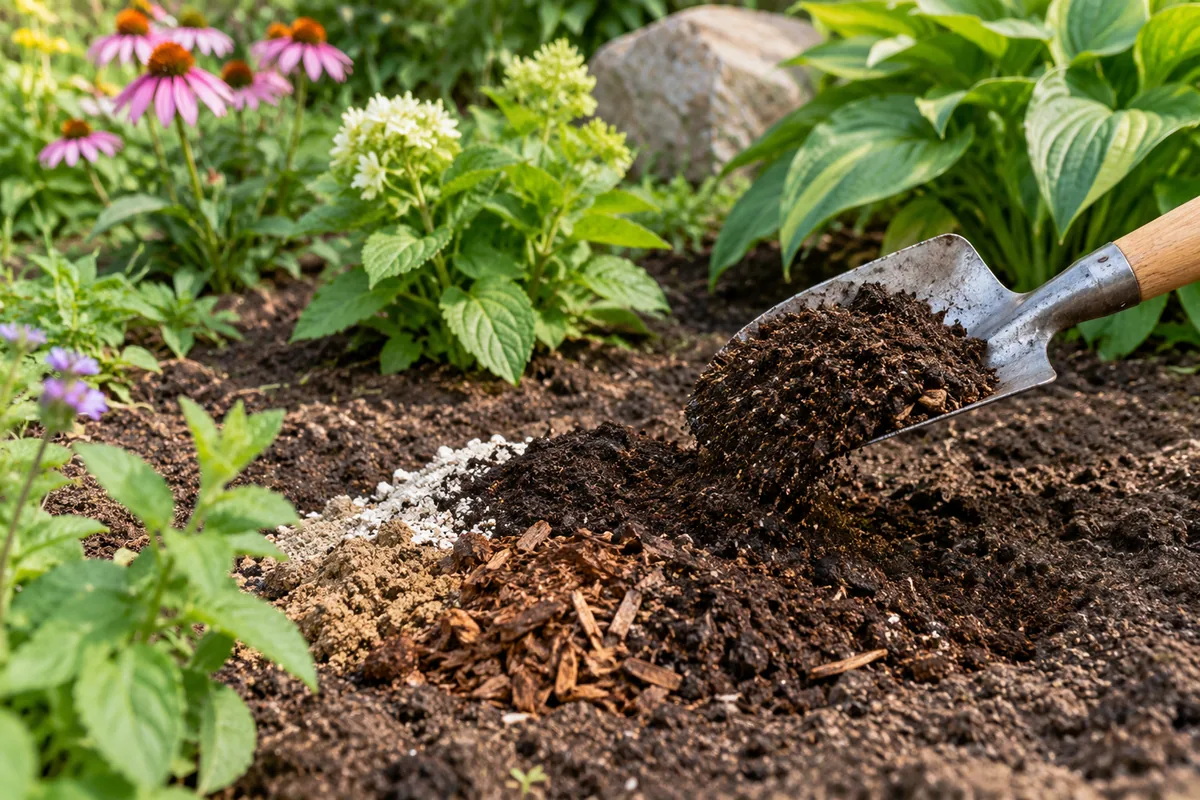
A backyard flower border with disappointing growth might need investigation of light or watering rather than another soil product. Check those conditions alongside suitable testing. Locally appropriate plant choices may avoid forcing a difficult site to support an unsuitable palette. Verify USDA hardiness and invasive status separately from soil treatment. A healthy-looking rendered border does not establish what the soil needs.
Which terms help explain soil amendment?
Compost can be used as an amendment in an appropriate context. Mulch usually concerns surface covering, while soil pH describes acidity or alkalinity. Keep those purposes distinct. AI visualization can compare planting arrangements, but diagnosis, material selection, and safe application require independent local information before the soil is altered.
Frequently asked questions
Is soil amendment the same as fertilizer?
An amendment is intended to change soil properties, while fertilizer is discussed in relation to nutrient supply. A product may have overlapping effects, but the terms should not be used interchangeably. Determine the actual soil and plant needs before selecting it.
Can an amendment solve every drainage problem?
Drainage depends on site conditions beyond a single added material. Water sources, levels, soil, and destinations may need professional assessment. Do not prescribe a soil product as a universal response to standing water or moisture near structures.
Should every new planting bed receive an amendment?
A new bed needs an assessment of its actual soil and intended plants. An addition may be useful in some circumstances and unnecessary in others. Reliable testing and local horticultural guidance are better starting points than a standard recipe for every garden.
Sources
Related reading
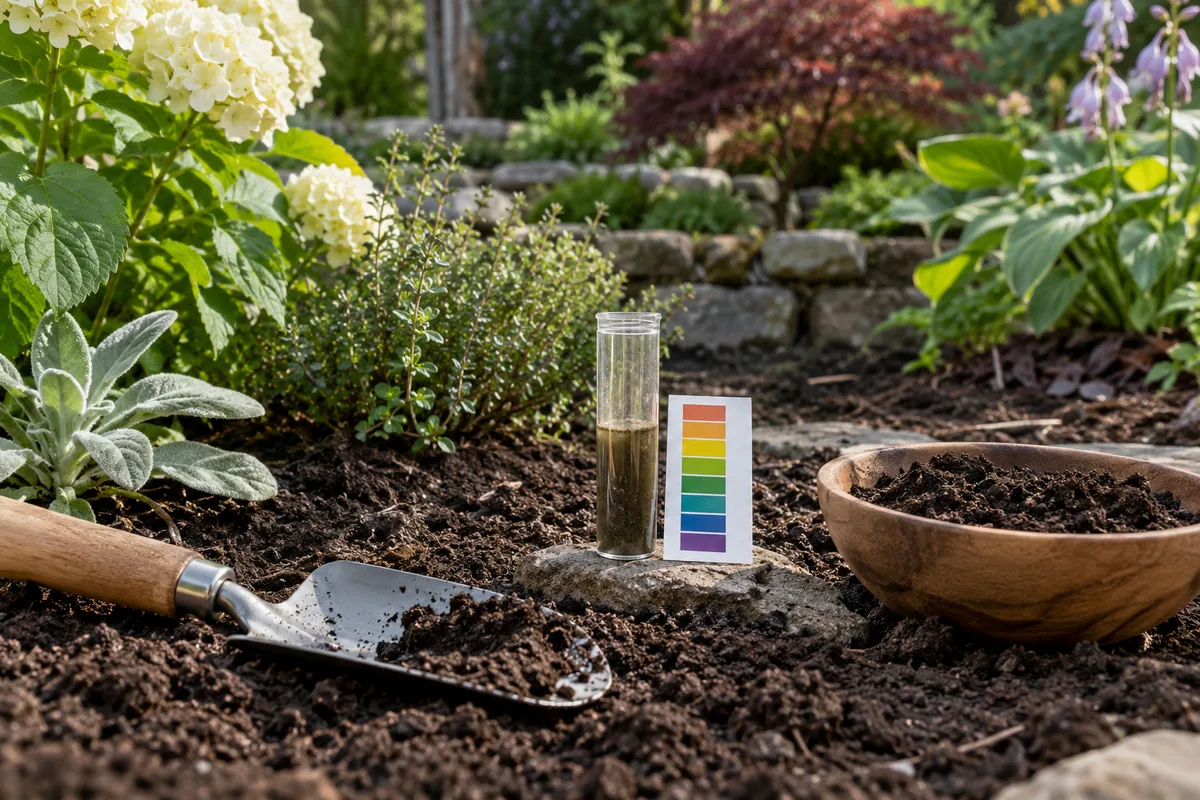
What Is Soil pH in Landscape Design?
Learn what soil ph means in landscape design, with a practical yard example, related terms, and the site decisions to check before making changes.
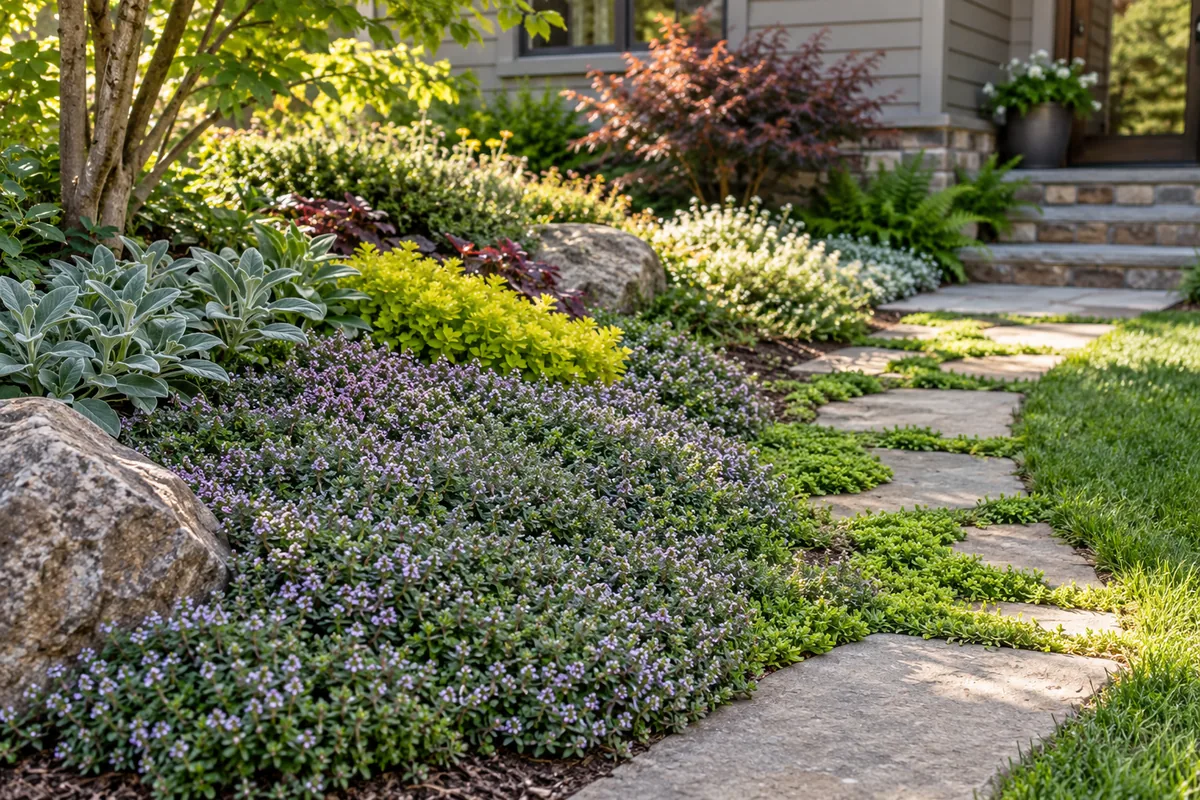
Ground Cover Plants for Borders and Deliberate Lawn Alternatives
Learn how ground cover plants fit your yard, with practical material, placement, upkeep, and safety questions to review before choosing a visual direction.
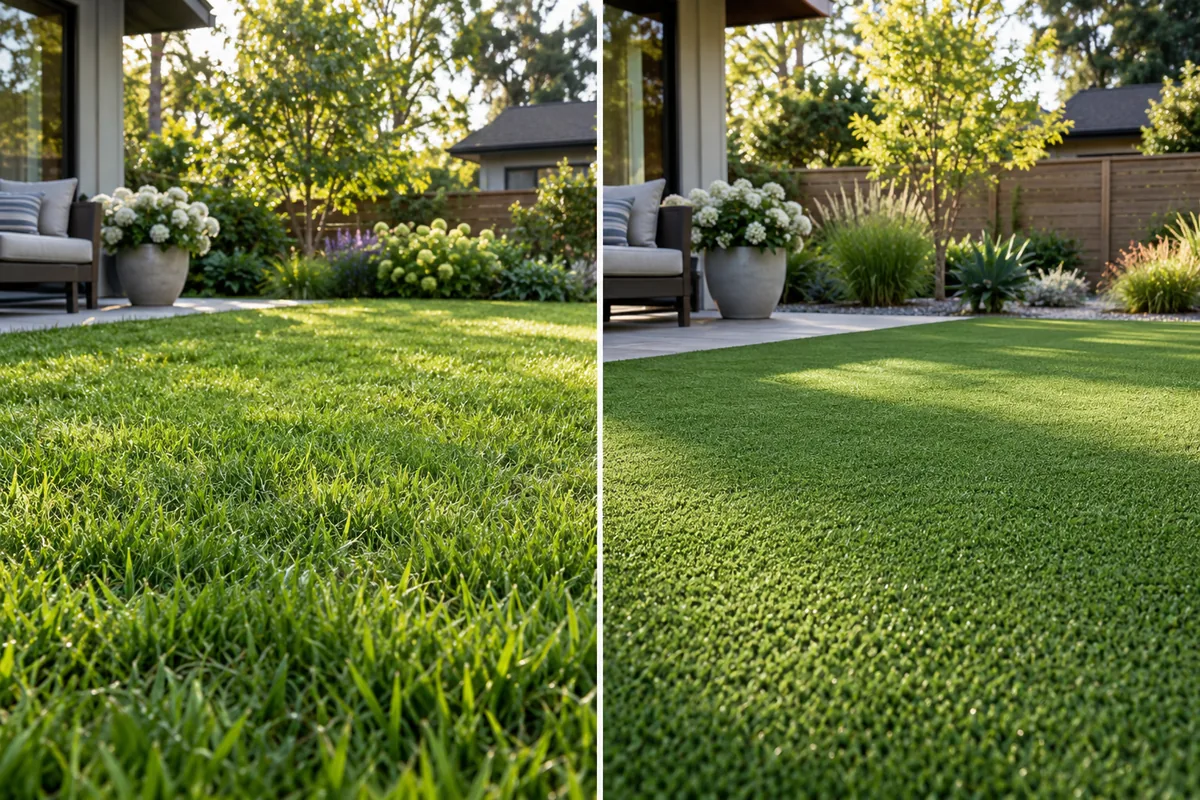
Artificial turf vs Natural grass: Which Fits Your Yard?
Compare artificial turf and natural grass for your yard. Review layout, materials, upkeep, and practical trade-offs before choosing a direction.
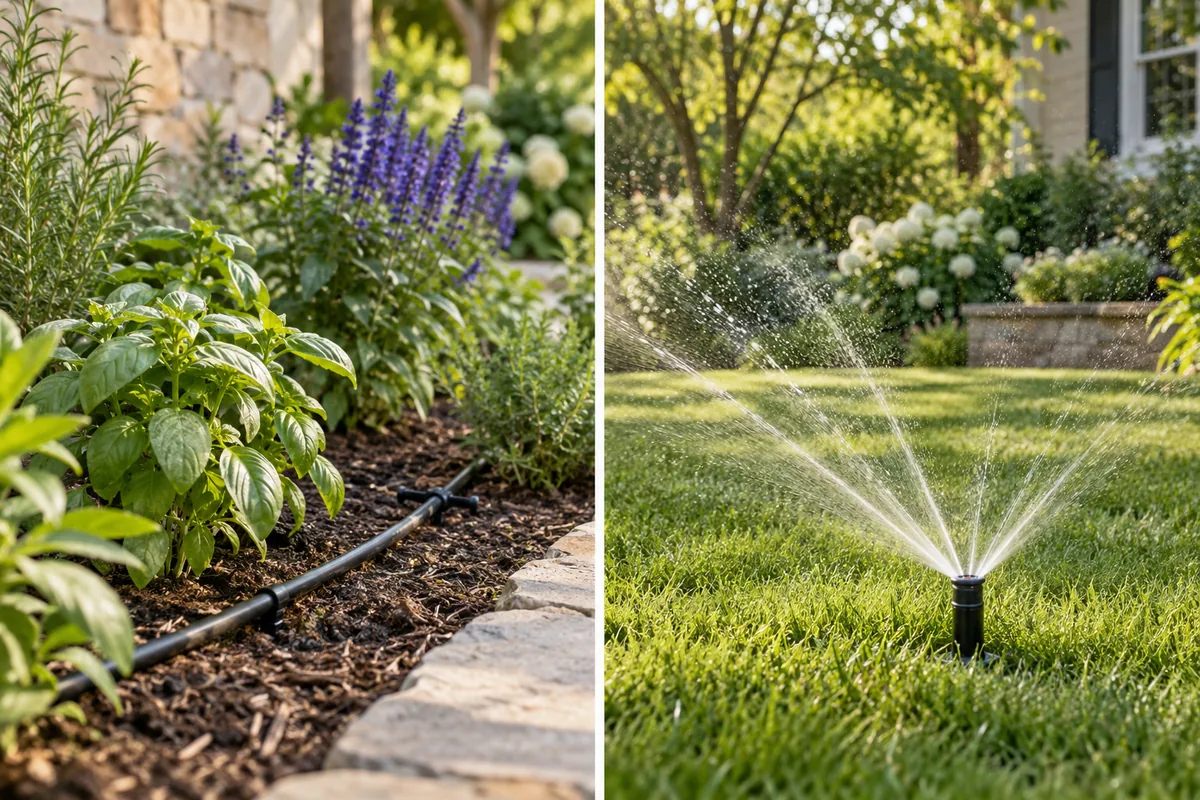
Drip irrigation vs Sprinkler irrigation: Which Fits Your Yard?
Compare drip irrigation and sprinkler irrigation for your yard. Review layout, materials, upkeep, and practical trade-offs before choosing a direction.
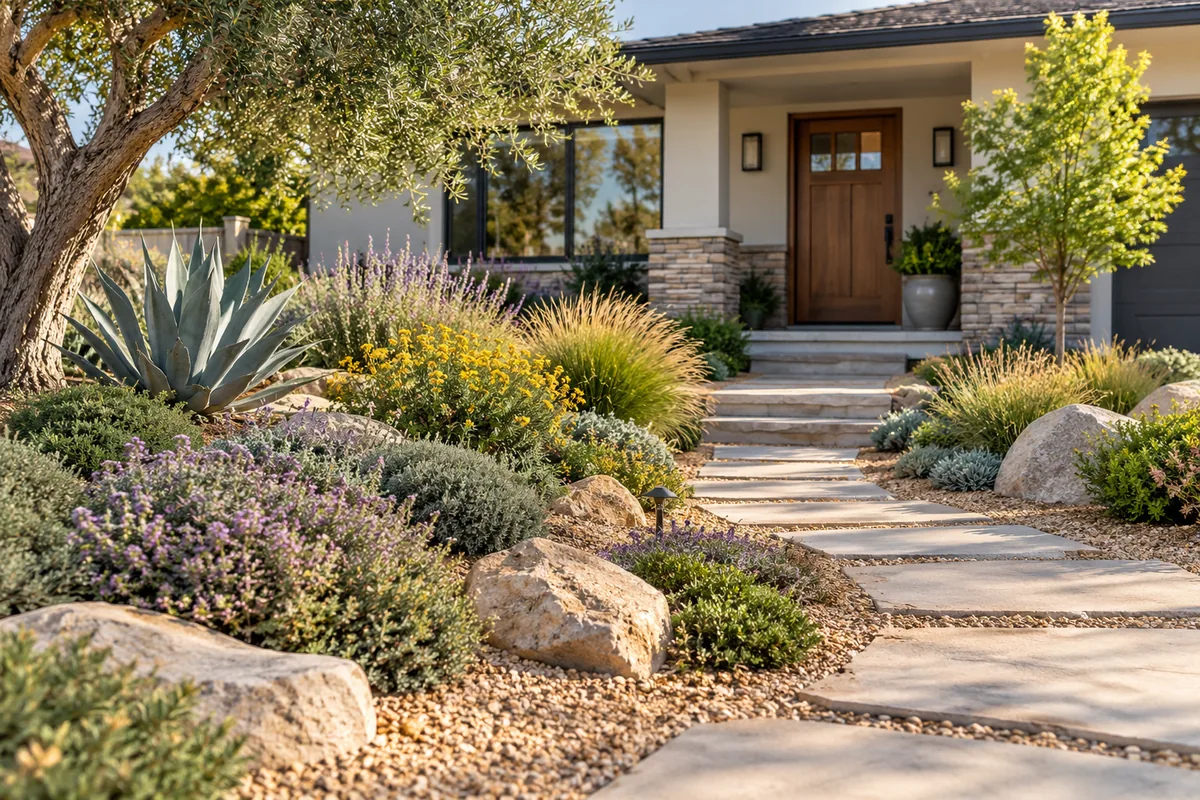
Drought tolerant front yard ideas organized around real water needs
Explore drought tolerant front yard ideas for regionally appropriate plant roles, hydrozones, strategic lawn choices, mulch, and realistic establishment care.
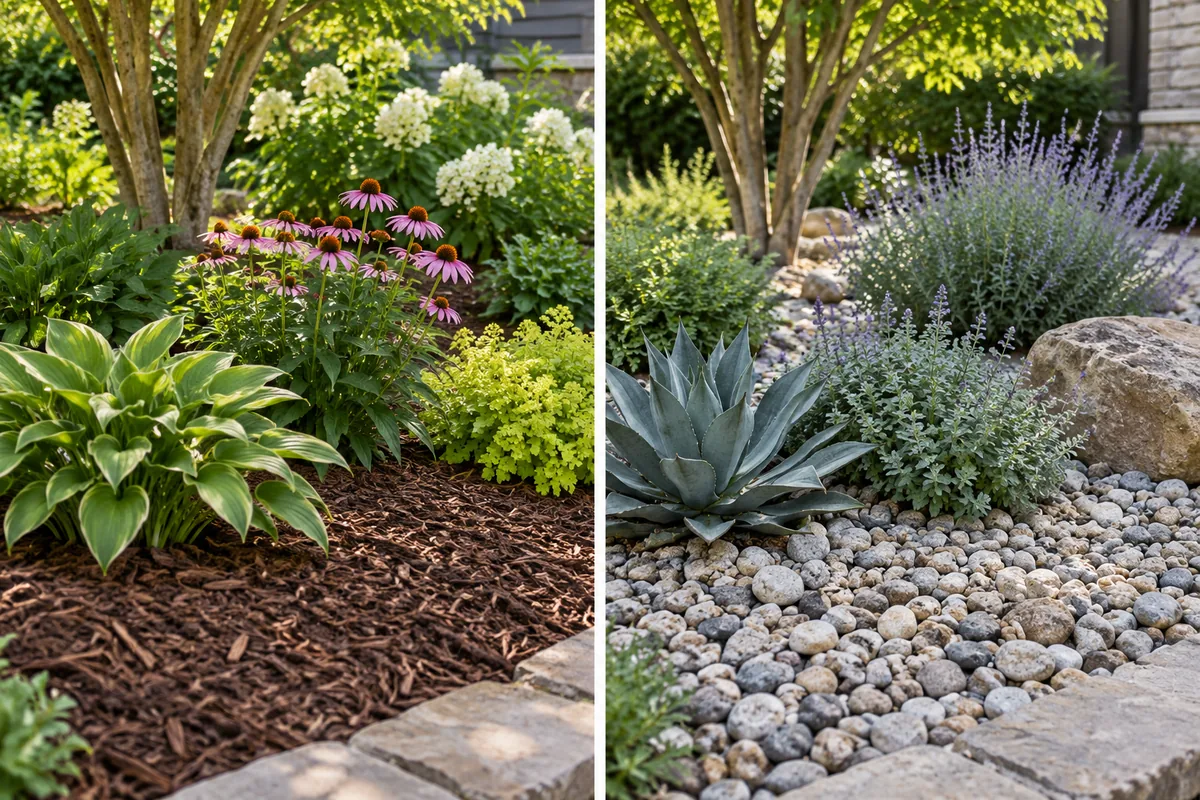
Organic mulch vs Rock landscaping: Which Fits Your Yard?
Compare organic mulch and rock landscaping for your yard. Review layout, materials, upkeep, and practical trade-offs before choosing a direction.