
By AI Landscape Design Team · Editorial policy
What Is Hedge in Landscape Design?
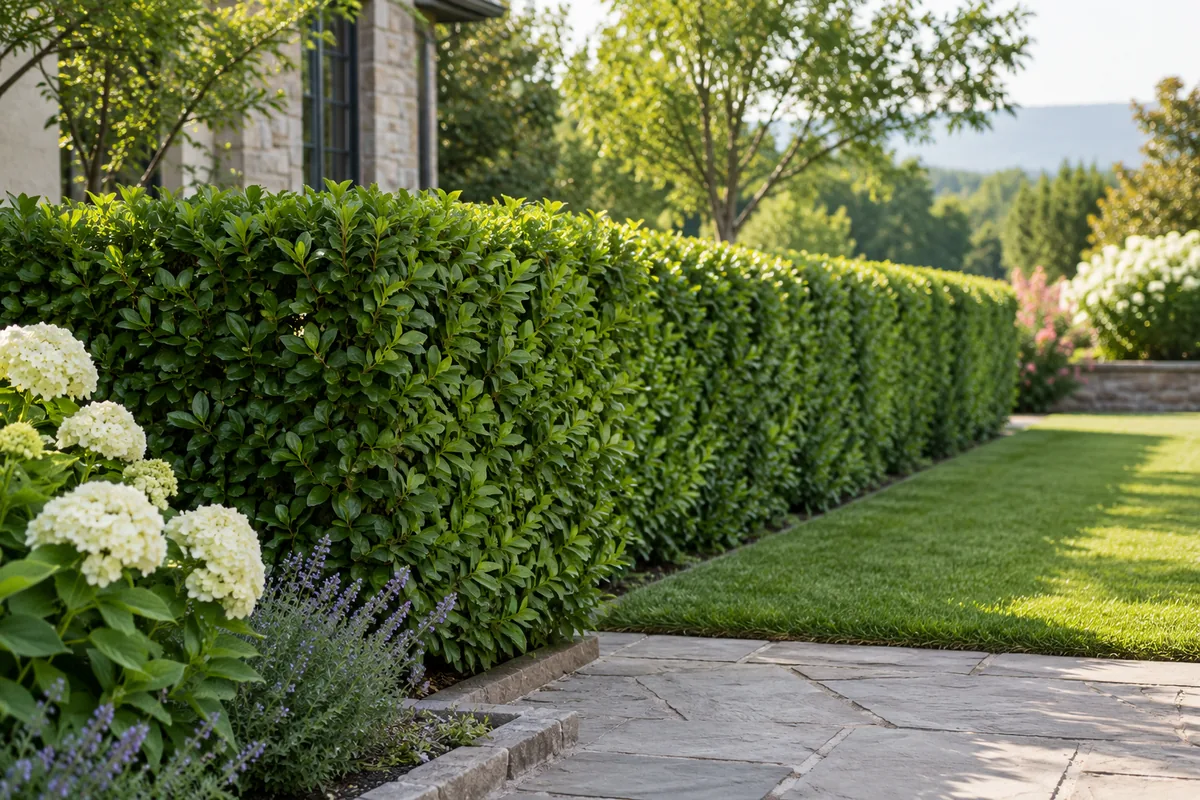
A hedge is a line of closely arranged shrubs or trees managed to form a continuous planted boundary, screen, or edge within a landscape. The boundary can be clipped into a regular shape or allowed a looser outline. Its eventual height and thickness depend on the selected plants and care. A hedge is living planting, so seasonal behavior and local growing conditions affect its performance.
Published · 2 min read
Key takeaways
- A hedge is a managed living boundary.
- Choose plants for mature size and local suitability.
- Formal outlines require ongoing care.
How is hedge used in landscape design?
Decide whether the hedge should mark an edge, interrupt a view, or divide garden areas. Those roles imply different expectations for height and density. Select plants only after checking local conditions, mature size, and invasive status. Leave maintenance access along the planting. According to the Royal Horticultural Society, formal shaping depends on ongoing training and trimming, so appearance is tied to care.
What does hedge look like in a yard?
Along a front border, a modest hedge can separate the planting from a paved approach without hiding the door. Assess visibility near drives and gates with the relevant local guidance. Do not copy plant spacing from a picture or recommend an invasive species simply because it creates a dense boundary. Where pets reach the hedge, check toxicity with the ASPCA list.
Which terms help explain hedge?
A privacy screen describes a function that a hedge may serve. A parterre can use lower hedging to outline beds; mass planting concerns grouped repetition. A generated concept can compare the visual boundary, but plant suitability, access, and long-term clipping requirements need local confirmation before planting.
Frequently asked questions
Must a hedge be clipped formally?
A hedge may have a clipped outline or a looser form, depending on the plants and design purpose. A relaxed appearance still needs maintenance. Review the species’ growth and care requirements rather than assuming informal means unattended.
Is a hedge the same as a fence?
A hedge is living planting, whereas a fence is a constructed boundary. Both can divide space, but they differ in growth, seasonal appearance, and care. Neither should be assumed to establish property ownership or satisfy local boundary rules by itself.
How should hedge plants be chosen?
Choose for confirmed local conditions and the intended mature boundary, not simply for rapid growth. Check invasive status and plant toxicity where relevant. A local nursery or extension office can help evaluate species and the care the hedge will need.
Sources
Related reading
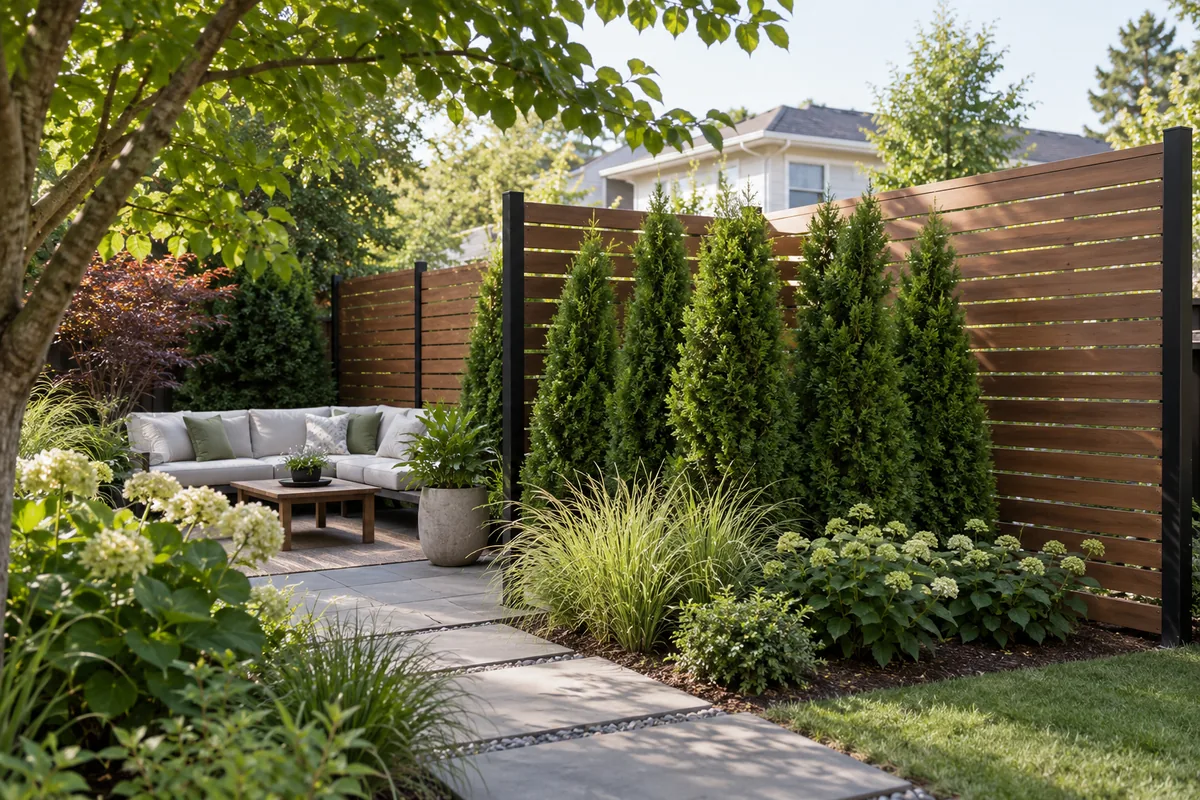
What Is Privacy Screen in Landscape Design?
Learn what privacy screen means in landscape design, with a practical yard example, related terms, and the site decisions to check before making changes.
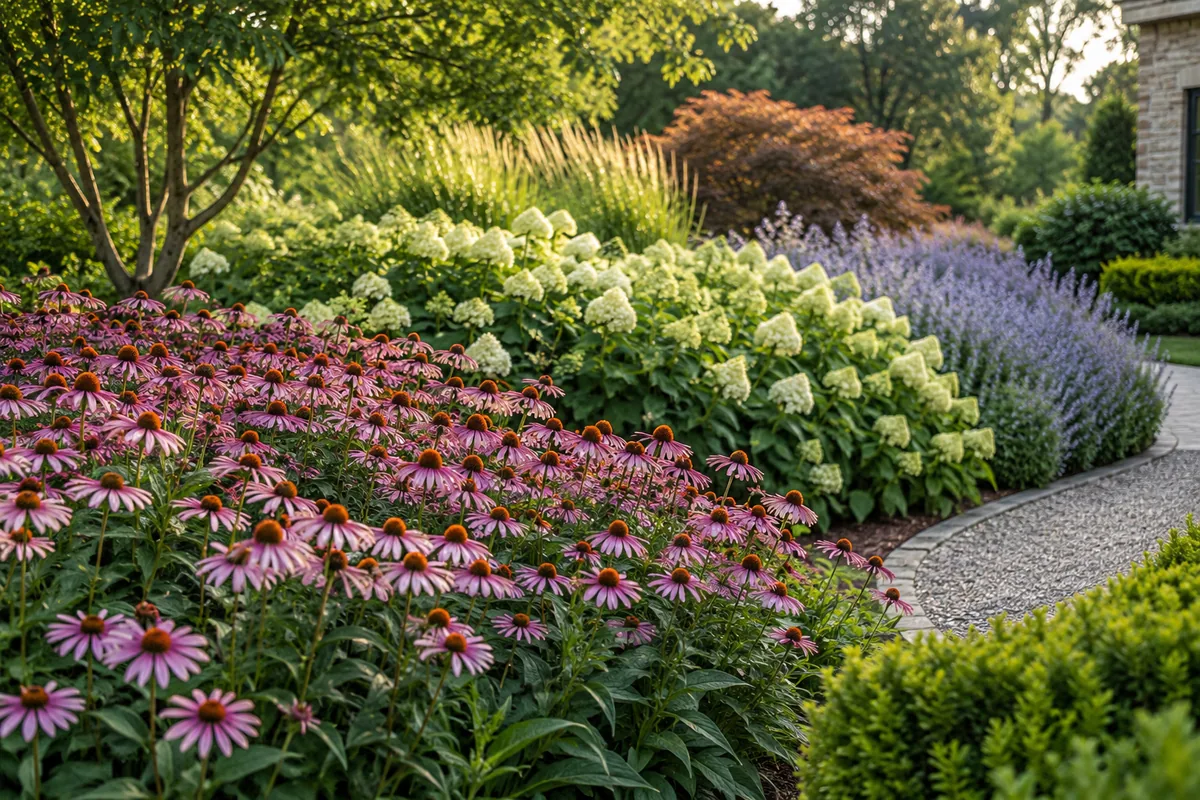
What Is Mass Planting in Landscape Design?
Learn what mass planting means in landscape design, with a practical yard example, related terms, and the site decisions to check before making changes.
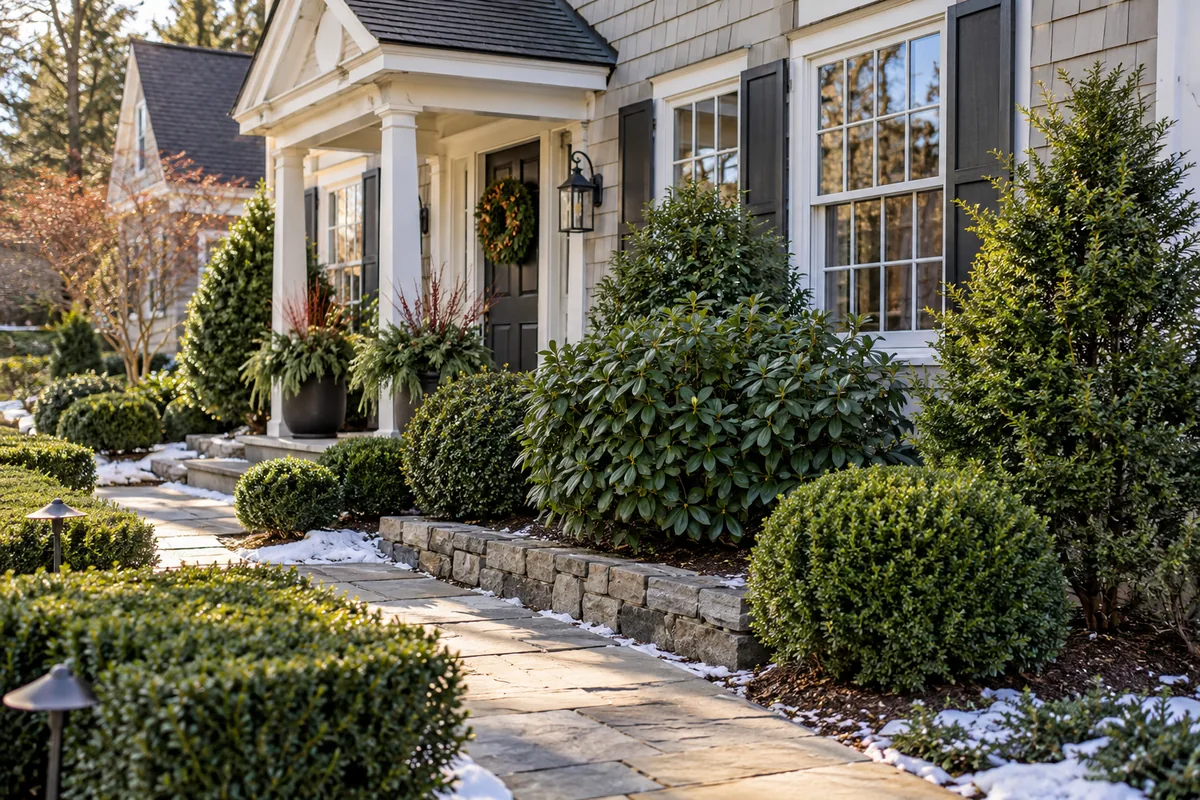
Evergreen Shrubs for Foundations and Winter Structure
Evergreen Shrubs: Foundation and Hedge Roles: explore placement, upkeep, and local safety questions before deciding how this feature fits your yard.
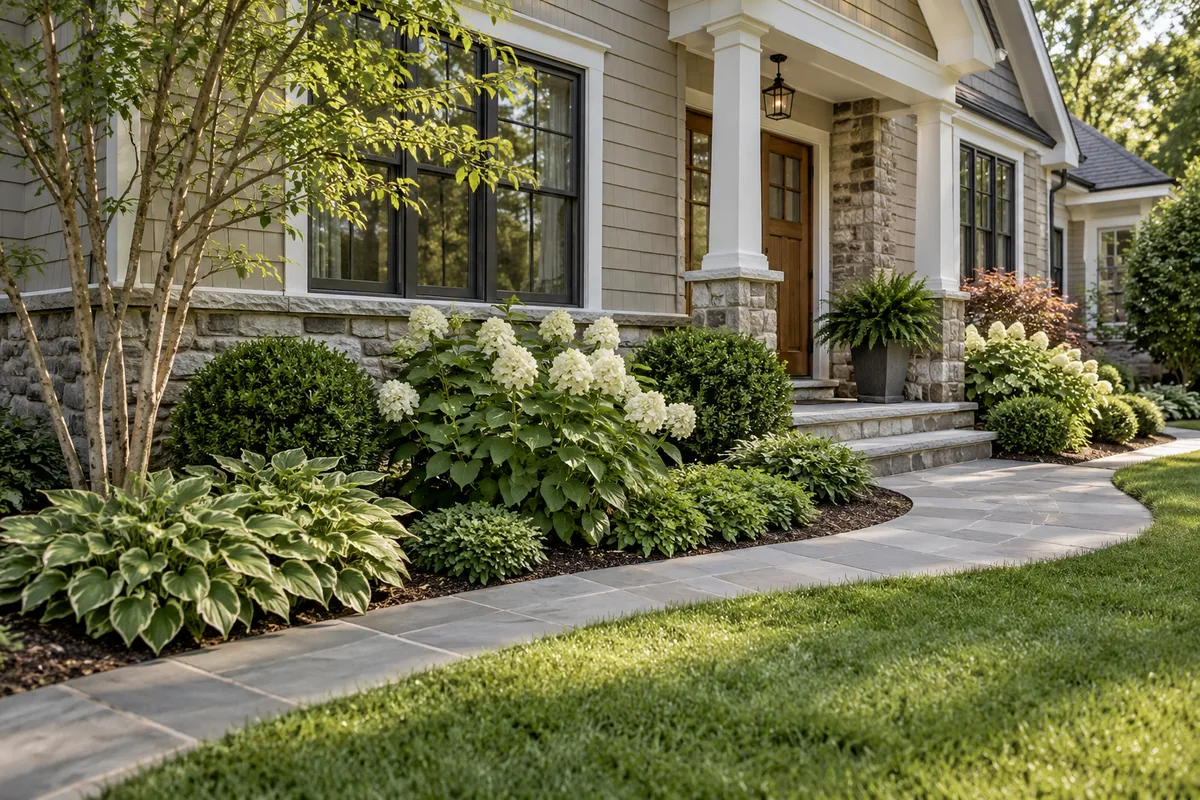
What Is Foundation Planting in Landscape Design?
Learn what foundation planting means in landscape design, with a practical yard example, related terms, and the site decisions to check before making changes.
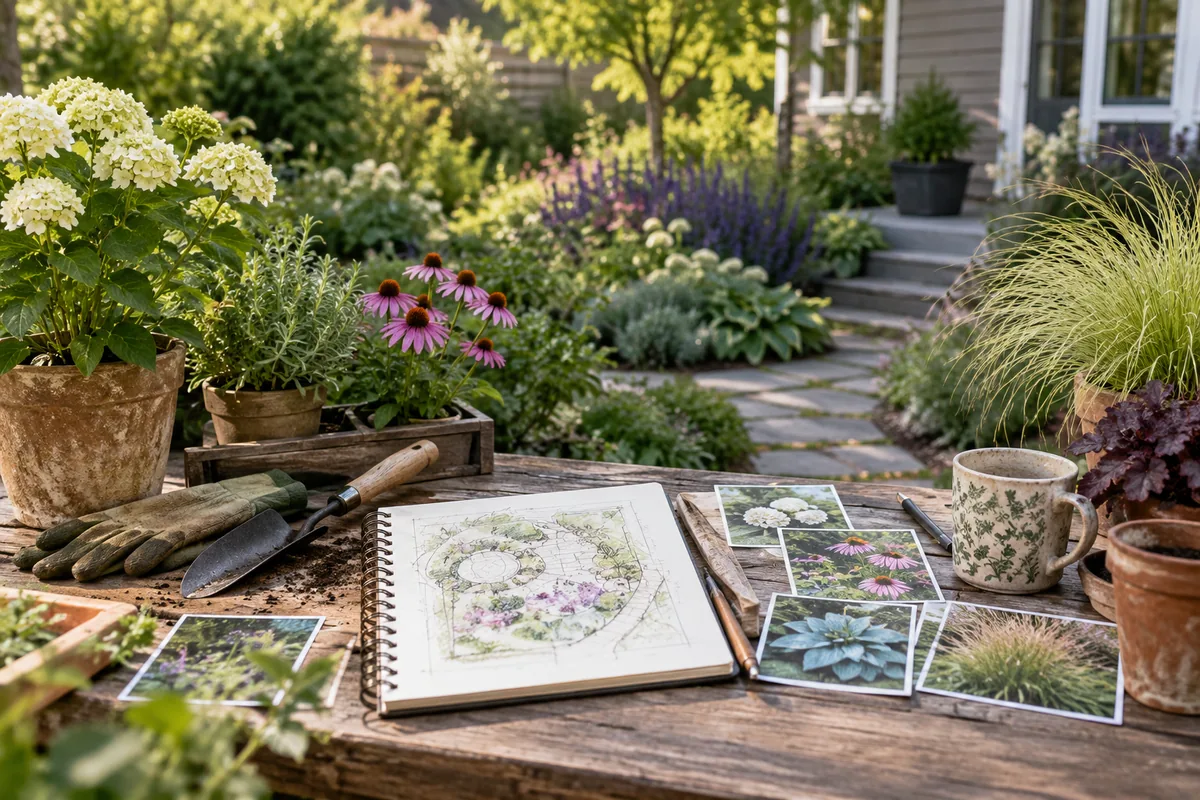
How to Plan a Planting Palette for Your Garden
Plan a planting palette around structure, repeated groups, seasonal interest, and confirmed regional conditions rather than copying species from a garden image.
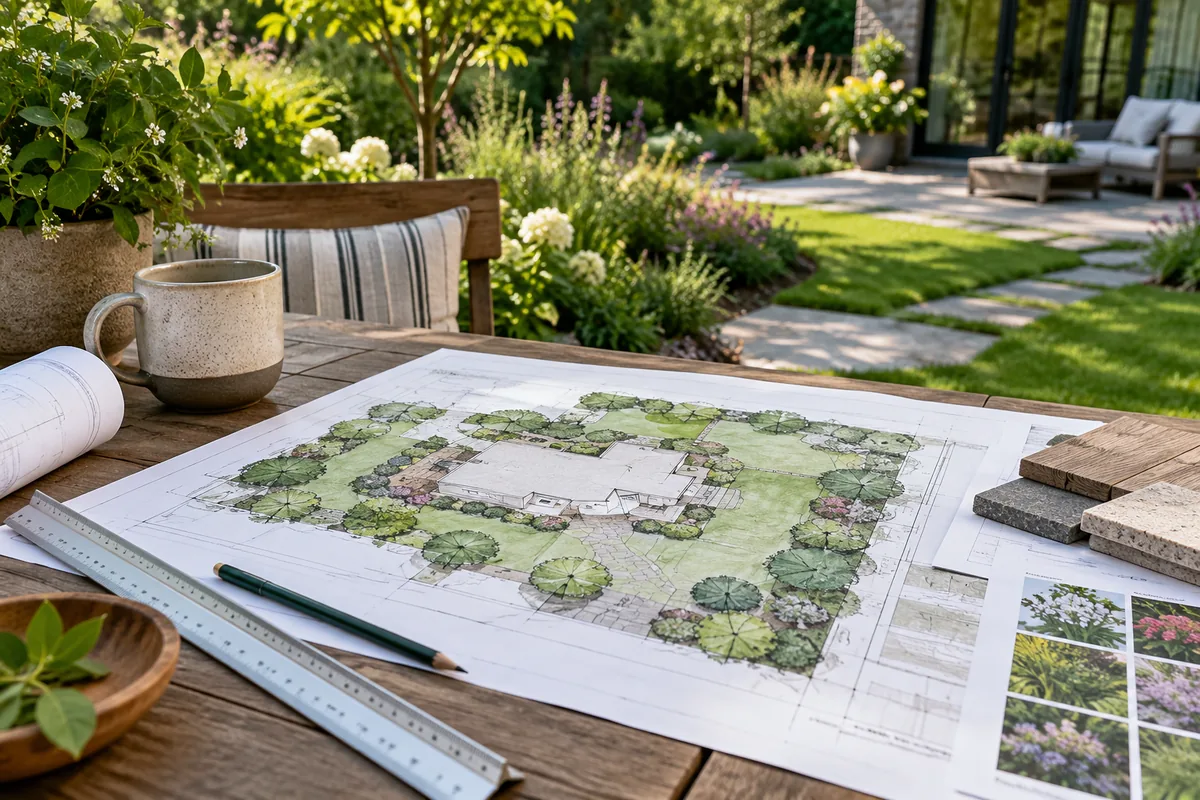
How to Read a Landscape Plan Before Making Decisions
Read a landscape plan through its purpose, scale, legend, plant schedules, and detail references, then ask the author to clarify unresolved information.