
By AI Landscape Design Team · Editorial policy
What Is Berm in Landscape Design?
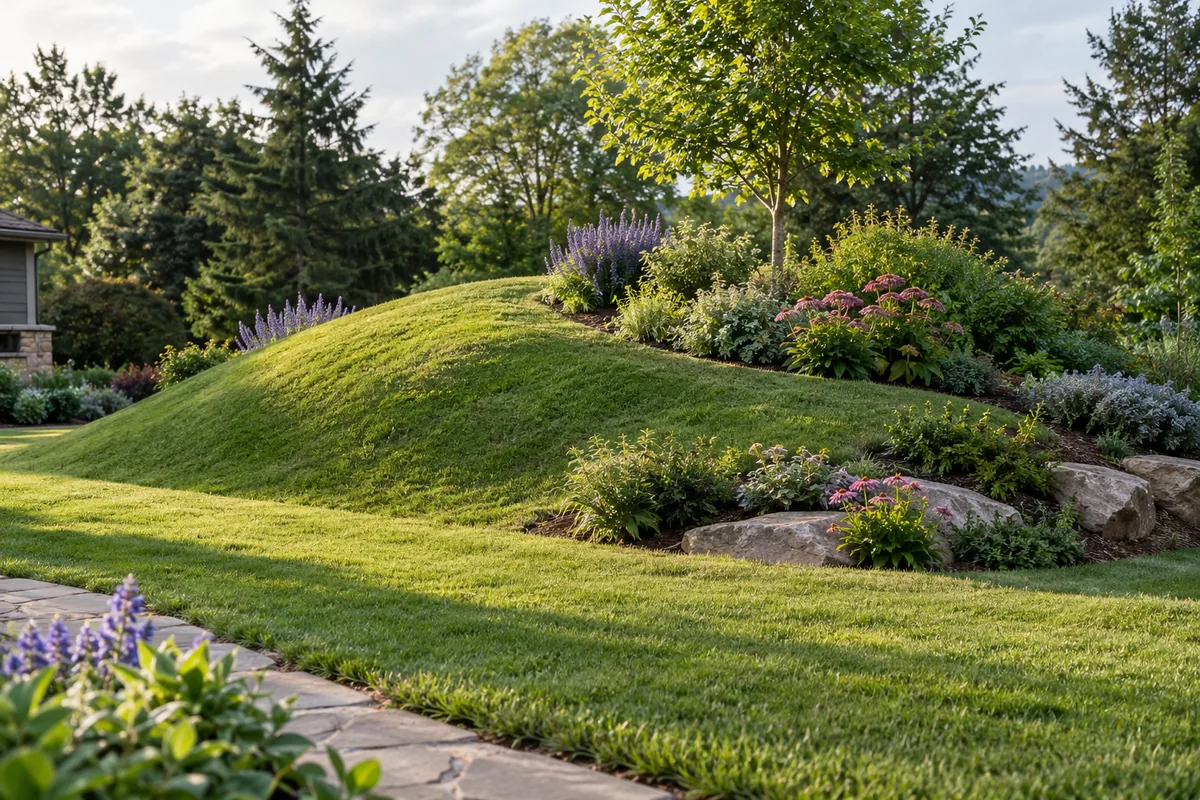
A berm is a raised bank or mound of earth used in a landscape to change its landform, define an edge, or serve another site-specific purpose. The raised shape can affect planting and views, but its construction may also alter water movement and access. A decorative mound should not be assumed to solve drainage or screening problems. Its role and feasibility require assessment of the actual terrain and soil.
Published · 2 min read
Key takeaways
- A berm is a raised earth landform.
- Changing soil levels changes site conditions.
- Assess water, roots, and utilities before earthwork.
How is berm used in landscape design?
Clarify why raised ground is being considered. A berm may offer visual separation or a different planting profile, but adding soil changes the site rather than merely changing decoration. Qualified local professionals should evaluate slopes, existing soil, water destinations, and nearby structures. Do not give universal heights, side slopes, or soil recipes for a berm based on a reference photograph.
What does berm look like in a yard?
A backyard concept might show a planted mound between an open lawn and a boundary. Before treating that shape as a buildable idea, examine its relationship to tree roots, drainage, neighboring land, and maintenance access. The plants also need local verification of hardiness, light, and moisture. In the United States, arrange the 811 process before excavation and identify private utility locating needs.
Which terms help explain berm?
Grading concerns changes to ground levels; a swale is a depressed landform with a different role. Topsoil describes an upper soil layer rather than a complete construction specification. Use AI concepts only to compare landform visually, then confirm earthwork, planting, and structural implications with appropriate site-specific professional advice.
Frequently asked questions
Is a berm always a drainage feature?
A berm can serve several purposes, and its raised shape does not by itself establish safe drainage. Changes to water movement need professional assessment of the site and discharge destinations. Avoid treating an ornamental mound as a universal water-management solution.
Can a berm be placed near a tree?
Adding soil near established trees can affect growing conditions and roots. Obtain arborist and site advice before changing levels around them. An image showing a tree on a mound is not evidence that the arrangement is safe for an existing tree.
Does a planted berm need special plant selection?
Plant requirements must match the actual light, soil, moisture, and local climate on the proposed landform. Different parts of a mound may offer different conditions. Seek local guidance and avoid assuming that a raised bed automatically suits drought-tolerant plants.
Sources
Related reading
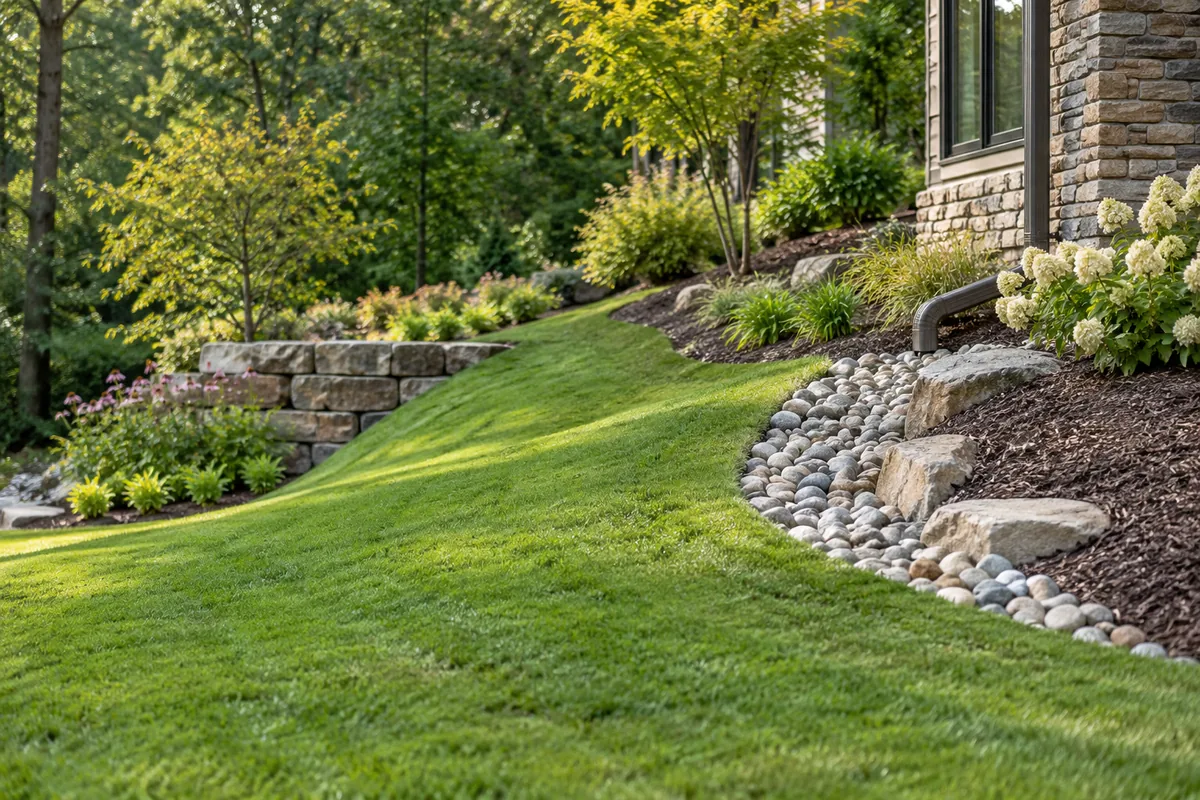
What Is Grading in Landscape Design?
Learn what grading means in landscape design, with a practical yard example, related terms, and the site decisions to check before making changes.
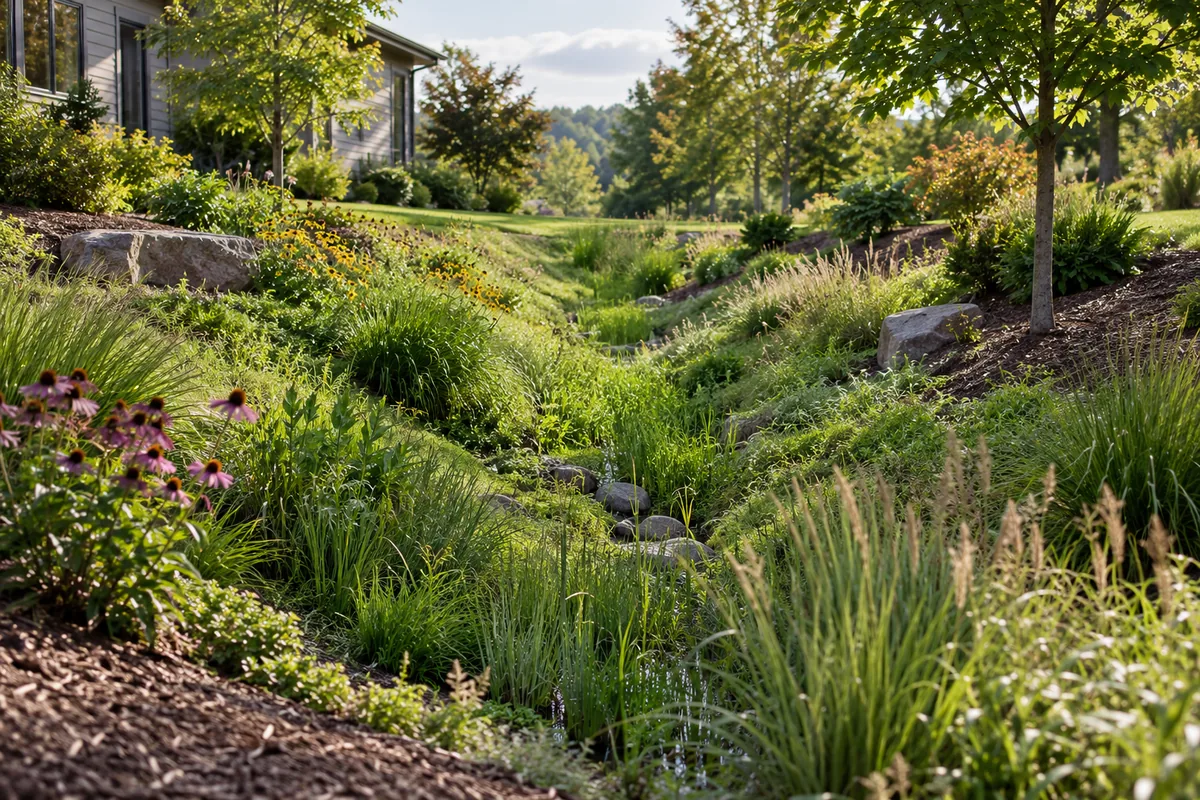
What Is Swale in Landscape Design?
Learn what swale means in landscape design, with a practical yard example, related terms, and the site decisions to check before making changes.
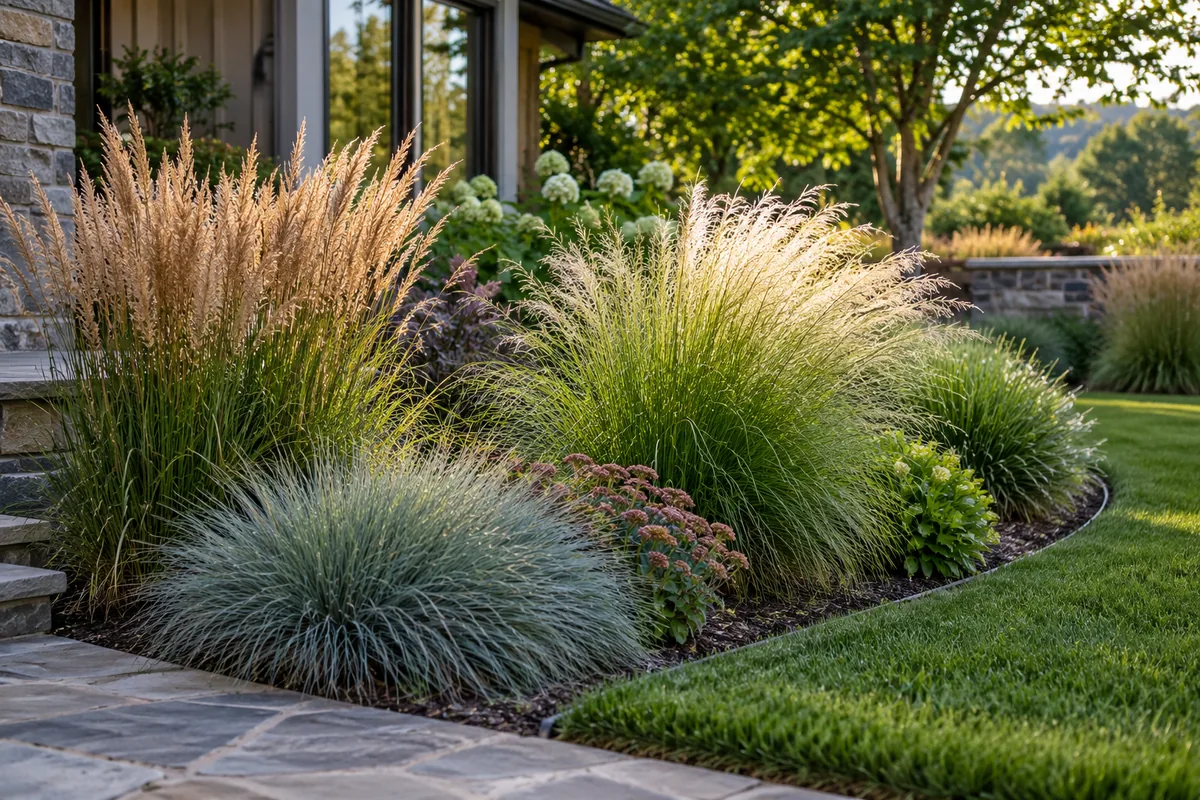
Ornamental Grasses for Seasonal Texture and Clear Edges
Ornamental Grasses: Seasonal Texture and Fit: explore placement, upkeep, and local safety questions before deciding how this feature fits your yard.
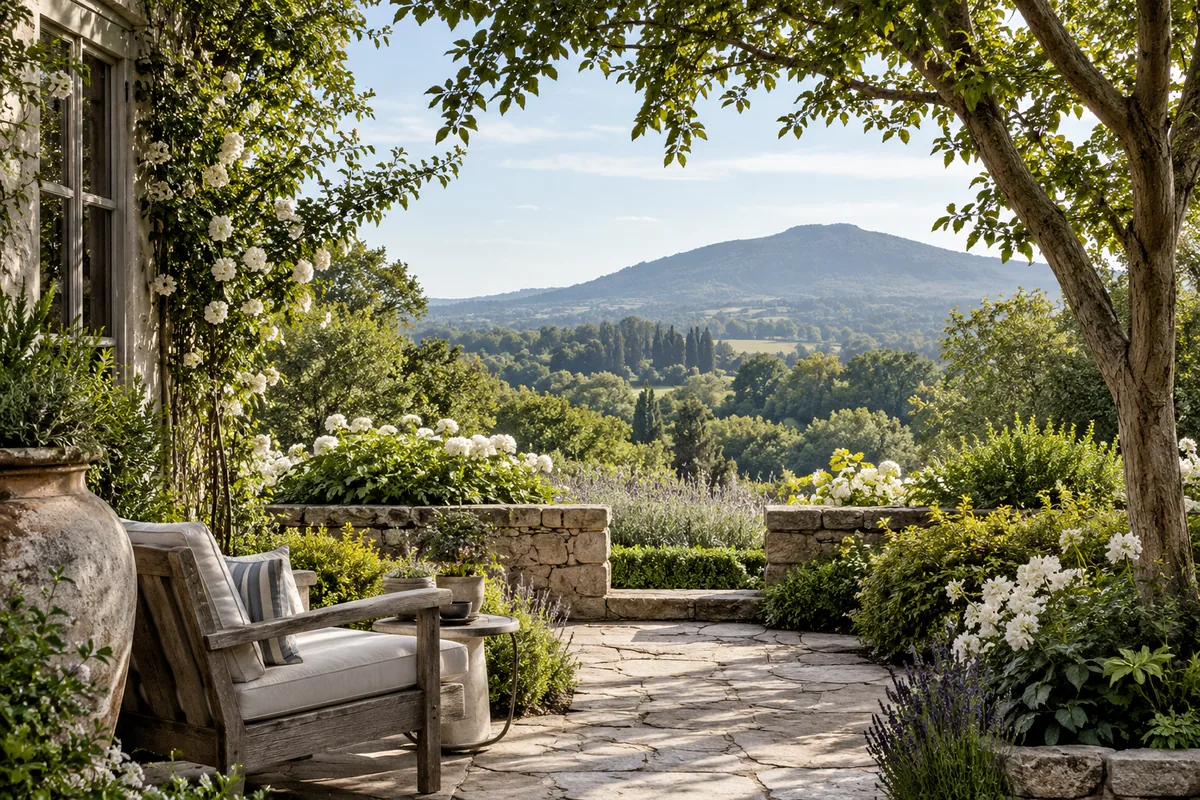
What Is Borrowed Scenery in Landscape Design?
Learn what borrowed scenery means in landscape design, with a practical yard example, related terms, and the site decisions to check before making changes.
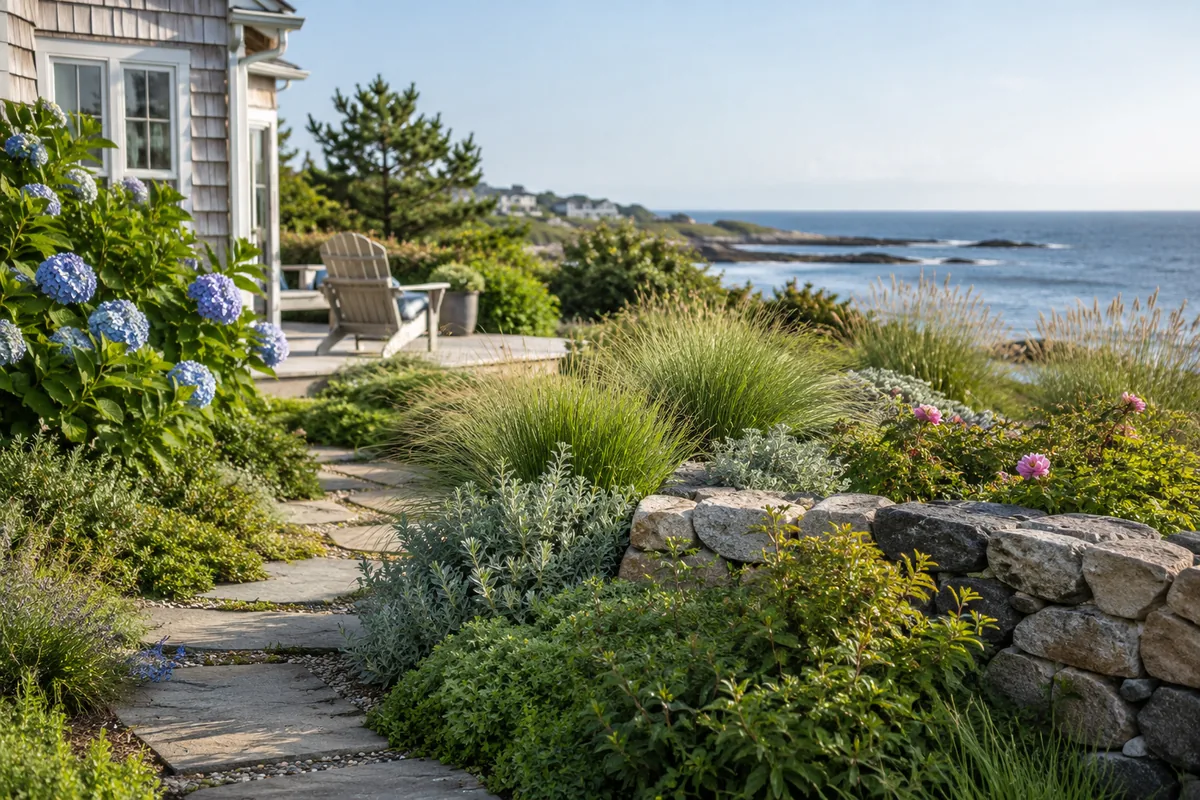
Coastal Landscaping Guide: Exposure and Planting
Plan coastal landscaping around actual wind and salt exposure, local growing conditions, stable outdoor use, and professional checks of structures and drainage.
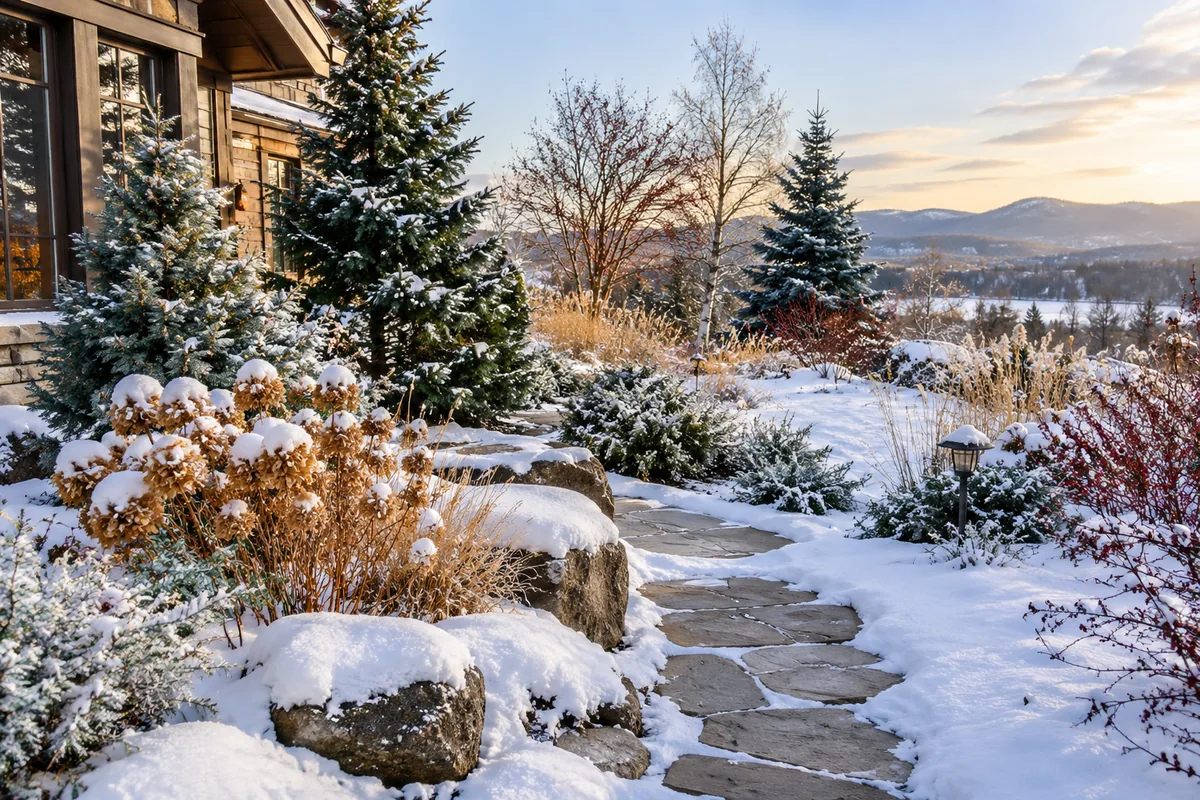
Landscaping for Cold Winter Climates
Plan cold-winter gardens with verified plant hardiness, seasonal views, usable access, and professional checks of surfaces and frost-related construction.