
By AI Landscape Design Team · Editorial policy
Fall Landscaping Checklist for Seasonal Review
A fall landscaping checklist should record how the garden performed, review surfaces and access, and ask which planting or maintenance decisions are appropriate locally before the next season. In most temperate US climates, autumn changes the appearance and use of outdoor space, but timing and care vary. Keep useful seasonal growth where appropriate, investigate problems professionally, and avoid assuming every plant or surface needs the same cleanup or treatment.
Published · 6 min read
Key takeaways
- Use the season to record actual performance.
- Check access as leaves and plant growth change.
- Confirm care and planting timing with local advice.
What should the season’s record include?
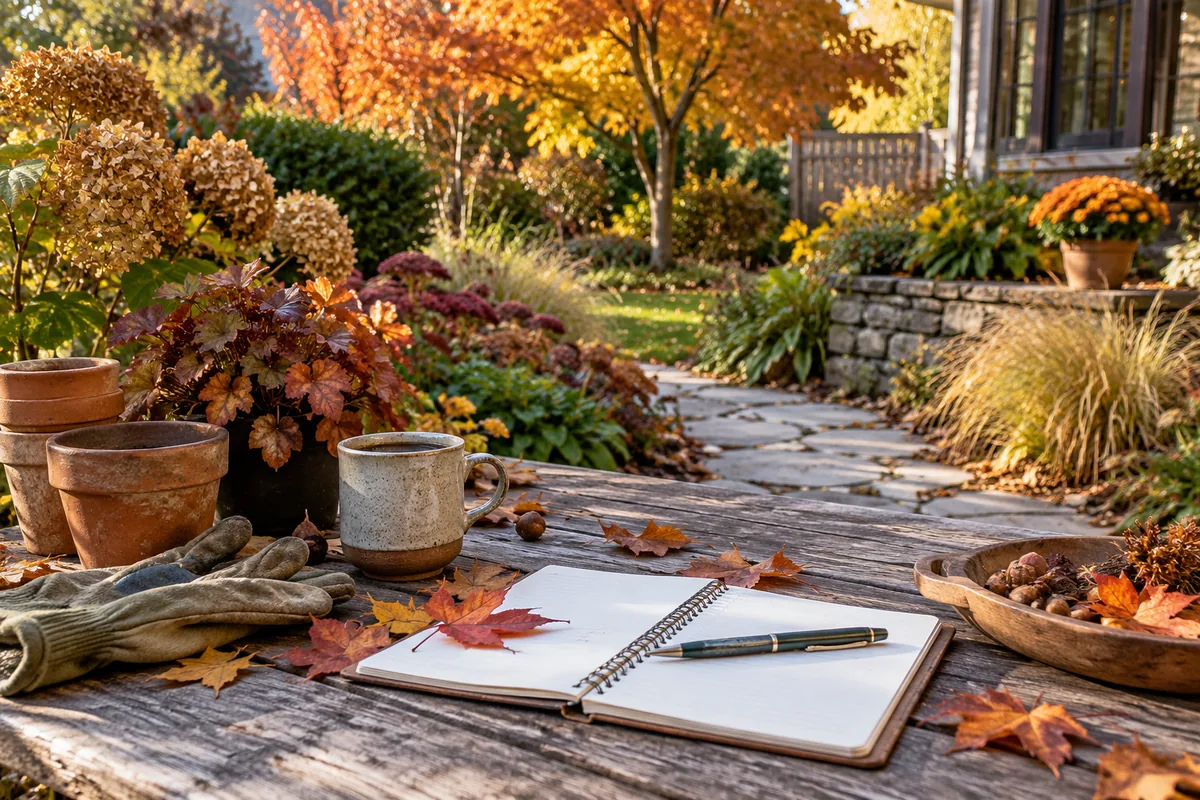
Review which activities the garden supported well and which parts remained awkward. Record seating positions, routes, planting behavior, and maintenance tasks while the experience is still clear. A note explaining why a feature worked is more useful than simply saving a finished-looking photo. Distinguish normal seasonal change from conditions that require expert diagnosis. The review should improve future decisions rather than trigger a complete redesign automatically.
In most temperate US climates, fall can reveal a different relationship between surfaces, foliage, and open views. Local conditions still determine which observations matter and when work is suitable. Confirm the USDA hardiness zone and consult local extension or nursery guidance for actual plants. Use farmhouse style and native style as possible visual references, not planting prescriptions. Keep a short priorities record with retained features, unresolved issues, and future care expectations. Do not let a decorative seasonal collection replace investigation of access, soil, drainage, or plant health concerns that the garden has exposed during the year.
How should surfaces and circulation be reviewed?
Walk entrances, gates, paths, and sitting areas under current conditions. Seasonal material and expanding growth can change how a route works even when its dimensions have not changed. Note where debris collects or furniture obstructs ordinary movement. Ask appropriate professionals about damaged or unstable surfaces rather than diagnosing concealed construction from the visible finish. Keep essential access separate from decorative arrangements.
Review lighting needs at the times people actually arrive or use the garden. A licensed electrician or relevant qualified professional should assess electrical changes, controls, and installation. Planting, containers, or ornaments must not hide a step or reduce a useful threshold. Examine the path light guide for task questions rather than fixture or wiring instructions. Changes to levels, drainage, and structures need local assessment independently from the seasonal aesthetic. In the United States, contact 811 before digging and clarify private-service locating where necessary. A autumn concept image can show a pleasing route without verifying actual traction, visibility, support, or safe construction at the property.
Which planting choices should remain provisional?
Identify the real plants and ask suitable local experts about their seasonal behavior and care. A fading flower or changing leaf color is not by itself a reason to replace the plant or prescribe treatment. Review mature size, light, soil, moisture, invasive status, and toxicity where relevant. New candidates need USDA hardiness and local verification rather than a color match to an autumn photograph.
Consider whether retained stems, foliage, or seed heads have a useful visual or habitat role under the actual management goals. That is not a blanket rule to keep every plant untouched; health and care questions require appropriate advice. Use deciduous plant to distinguish seasonal leaf behavior from lifespan or diagnosis. Check ASPCA for planting within pets’ reach and review child access independently. The goal is a coherent planting arrangement with real care requirements, not a short-lived decorative display that crowds paths or adds unsuitable species. Record candidate substitutions as roles until their exact suitability and timing are confirmed locally.
How can the next phase be planned responsibly?
Separate future layout preferences from work ready to proceed. A new bed, a surface repair, and a structural feature can involve different dependencies and professionals. Keep the season’s observations with a realistic scope and budget discussion. Do not assign installation timing solely because a checklist is labeled fall; local soil, weather, availability, and the actual work determine readiness.
Review access for later construction before adding planting where it may be disturbed. Ask the relevant professionals what investigations or concealed preparation must happen first. Visual concepts can compare seasonal structure and material relationships, but they cannot verify species, dimensions, drainage, or construction. Mark any invented feature and revise the visual plan when local checks require it. Choose manageable priorities rather than starting many disconnected changes. A useful fall review preserves the learning from the year, makes the next questions clear, and respects the work needed to maintain the garden between phases instead of promising that every proposed improvement can be completed before winter.
Which fall checklist supports those decisions?
Planning
- [ ] Record the activities that worked during the year.
- [ ] Note unresolved site issues before selecting decorative updates.
- [ ] Identify the next useful phase and its dependencies.
- [ ] Confirm local timing instead of relying on the calendar label.
Hardscape
- [ ] Review seasonal material on essential routes.
- [ ] Keep thresholds visible around furniture and containers.
- [ ] Ask qualified professionals about damaged surfaces or supports.
- [ ] Describe evening tasks before proposing lighting changes.
Planting
- [ ] Identify actual plants before judging seasonal changes.
- [ ] Check new candidates for regional and site suitability.
- [ ] Review retained growth according to health and habitat goals.
- [ ] Confirm toxicity where animals reach the planting.
Maintenance
- [ ] Seek appropriate advice for unfamiliar care actions.
- [ ] Preserve access for inspection and later work.
- [ ] Keep the year’s observations with the garden record.
- [ ] Revisit priorities if local conditions delay a task.
This list records questions and suitable review, not universal treatment instructions or confirmation that a technical repair is safe. Adapt it to the actual site and responsible professionals.
Frequently asked questions
Should all plants be cut back in fall?
Care depends on the species, local conditions, health, and management goals. Some retained growth may have a role, while other situations need appropriate maintenance. Obtain suitable local horticultural guidance instead of applying the same cutting rule to the whole garden.
Is fall always the right time for new planting?
Timing varies with location, weather, soil, plant needs, and project readiness. Consult local extension or nursery advice for the actual candidates. A seasonal checklist should organize the discussion rather than prescribe a universal planting date or guarantee establishment.
Can seasonal color replace necessary repairs?
Decorative planting does not resolve damaged access, drainage, structural, or electrical problems. Record those conditions and obtain qualified assessment before new additions conceal them. A visually appealing fall display is separate from the information needed to confirm safe use or installation.
Sources
Related reading
Farmhouse landscape style: useful spaces and honest materials
Discover farmhouse landscape style through practical fences, productive beds, wood and stone, and useful outdoor spaces that support everyday garden routines.
Native plant landscape style: regional plants with structure
Learn how native plant landscape style combines regional plant choices, seasonal change, and clear garden structure with practical care and neighborhood views.
Path Lighting Ideas Built Around the Walking Route
Compare path lighting ideas using the actual route, fixture light patterns, glare, solar exposure, maintenance access, and qualified electrical installation.
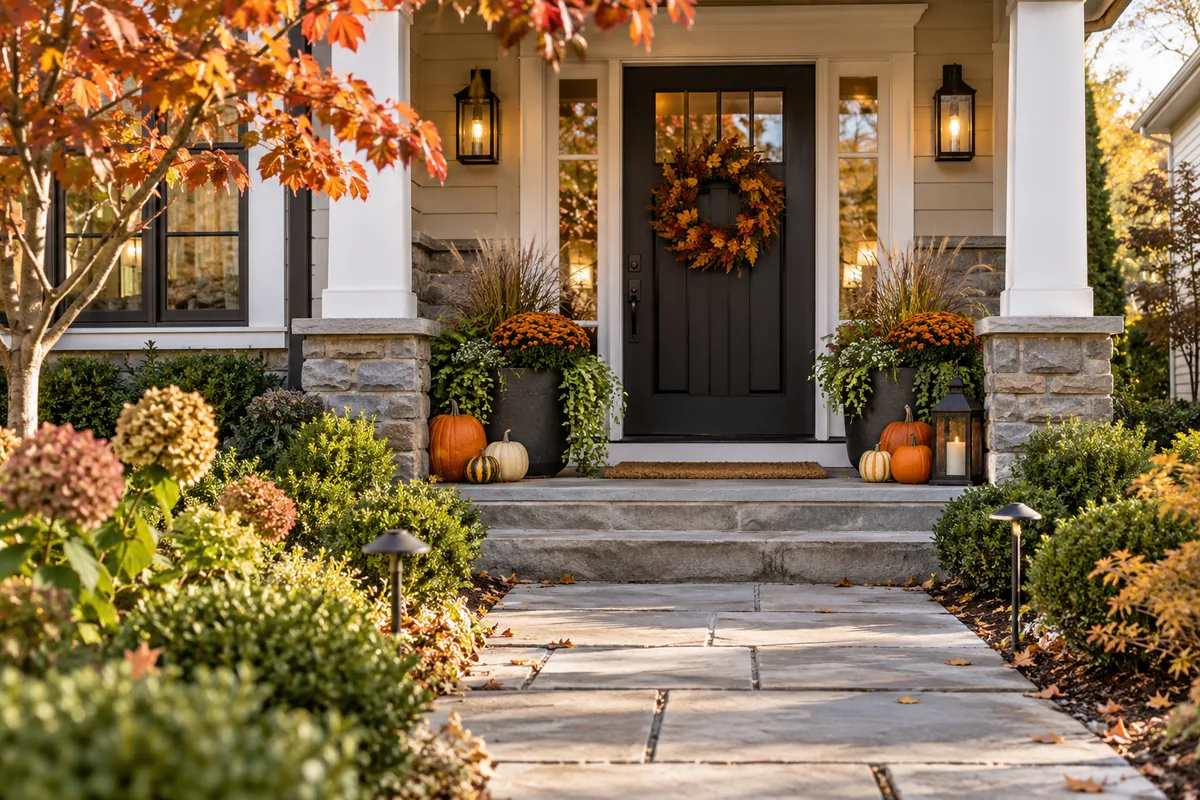
Fall Curb Appeal Ideas for a Clear Front Entrance
Explore fall curb appeal with a readable entrance, restrained seasonal details, locally verified planting, and professionally assessed lighting and surfaces.
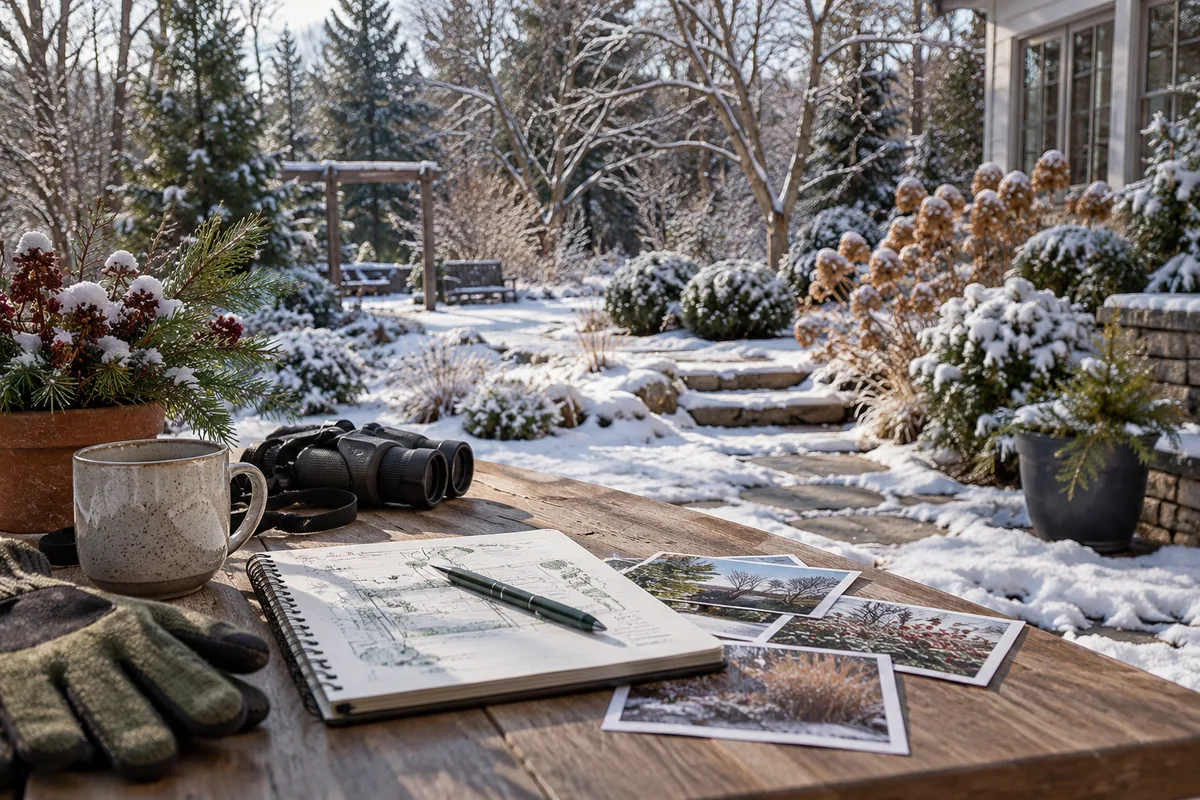
Winter Landscaping Checklist for Access and Planning
Review winter landscaping through actual access, dormant-season views, local plant guidance, and professionally assessed repairs using a grouped checklist.
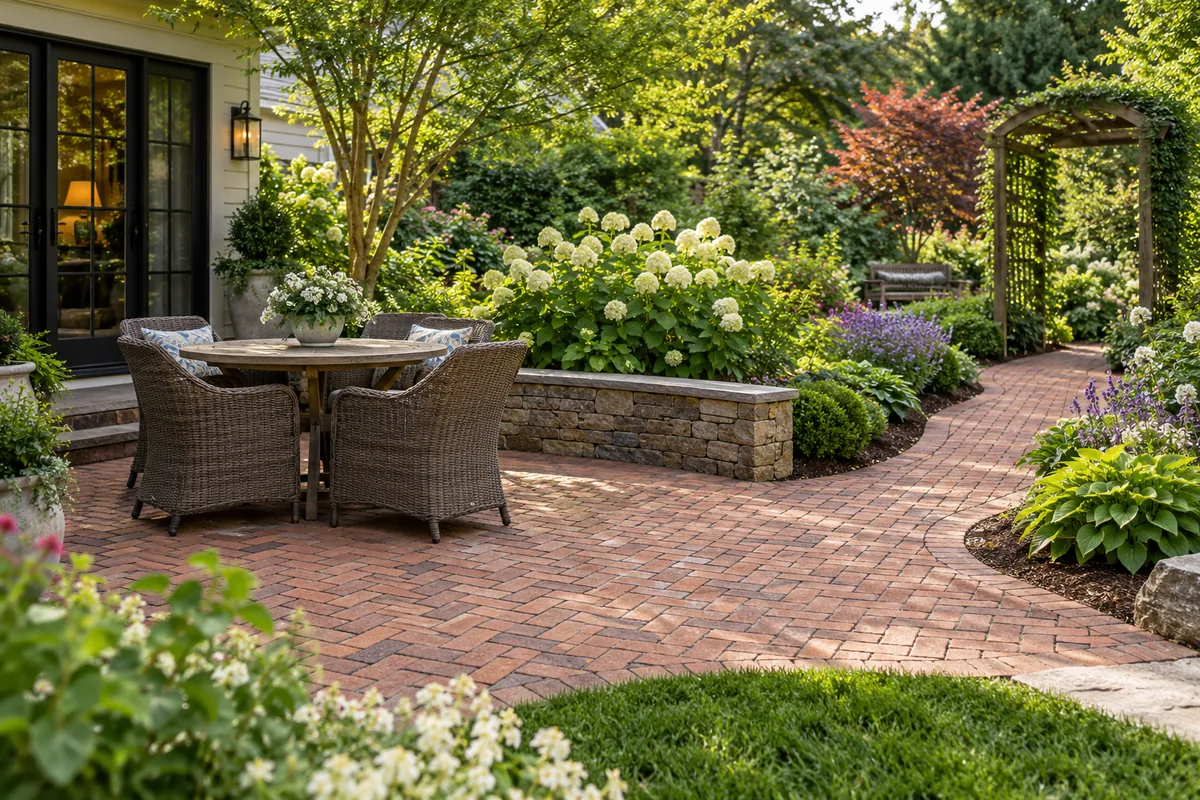
Brick Pavers for Useful Patios and Garden Paths
Brick Pavers for Patios and Paths: explore materials, placement, upkeep, and local safety questions before deciding how this feature fits your yard.