
By AI Landscape Design Team · Editorial policy
Lawn Grass Types Chosen Around Climate and Actual Use
Choose lawn grass around local climate, the site's conditions, and the area the household actually uses. Cool-season and warm-season categories provide a starting distinction, while exact selections still need local advice. Availability and suitability vary regionally: check USDA hardiness context and extension guidance. EPA WaterSense emphasizes climate-appropriate turf and thoughtful landscape water use rather than treating every yard as one uniform lawn.
Published · 6 min read
Key takeaways
- Keep lawn where its activity role is clear.
- Verify locally suitable turf rather than using zone alone.
- Plan mowing, establishment, and water management before changing the lawn.
What is the lawn actually used for?
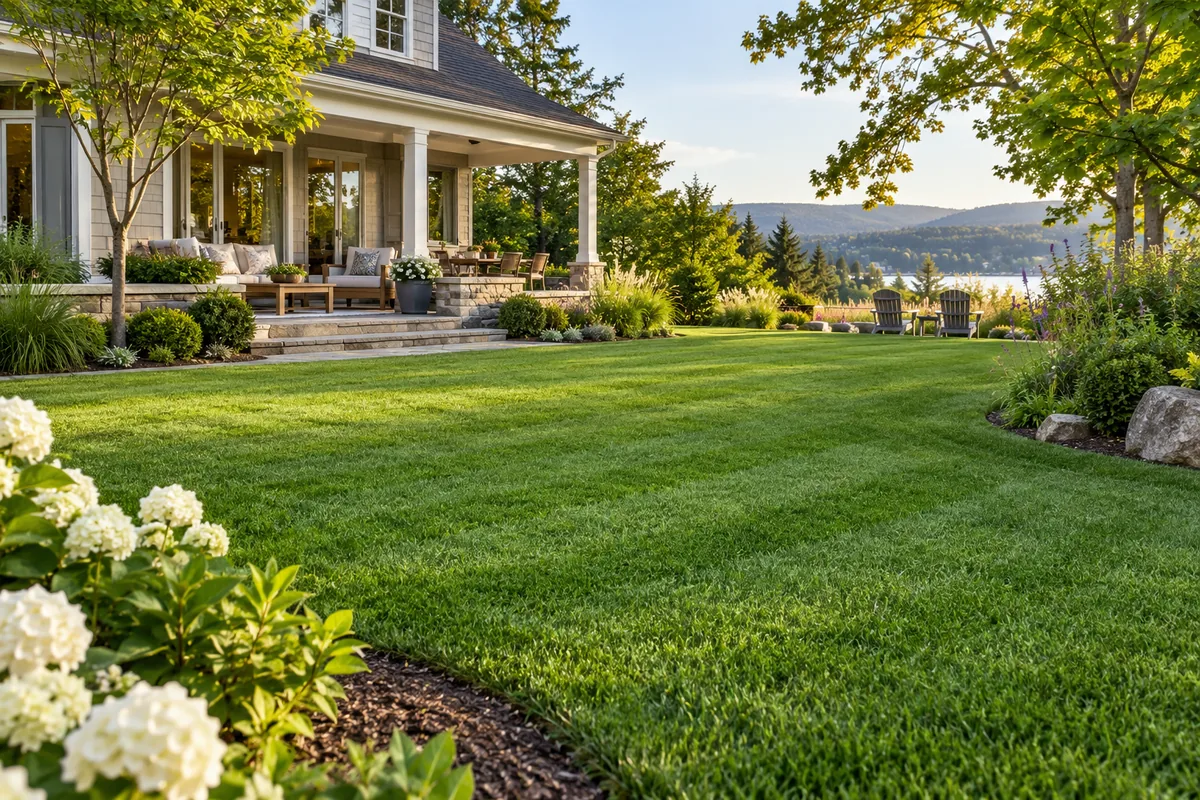
Draw the area needed for the household's ordinary activities: sitting on grass, a game, or another appropriate open-space use. Separate that purposeful area from narrow strips and corners maintained only because they have always been turf. The result may still include a generous lawn, but the choice becomes understandable. Check routes to equipment and the space required to turn or store it. A lawn framed by well-placed borders can create a clearer garden than grass squeezed around every feature. Decide the activity and maintenance role before choosing a species or interpreting a green rendering as a reason to cover the whole property.
Which turf examples introduce local choices?
These examples are categories to discuss with a regional turf adviser, not a recommendation to plant them all or move them into natural areas. Exact cultivars, mixtures, and local restrictions matter.
- Kentucky bluegrass: a cool-season turf possibility with local conditions assessed.
- Perennial ryegrass: a cool-season lawn or mixture component where suitable.
- Tall fescue: a cool-season turf choice requiring selection-specific guidance.
- Fine fescues: a group of cool-season options with distinct requirements.
- Bermudagrass: a warm-season turf option whose spreading behavior needs scrutiny.
- Zoysiagrass: a warm-season lawn possibility with care and climate fit checked.
- St. Augustinegrass: a warm-season selection for appropriate regional settings.
- Buffalograss: a regional warm-season option to investigate for a purposeful lawn.
Confirm that the exact grass belongs in the local managed landscape and meets the intended activity needs.
How should cool and warm seasons be interpreted?
The categories describe broad growth patterns and climate relationships; they do not determine a universal sowing date, year-round color, or watering schedule. Ask extension staff which grasses and cultivars fit local conditions and what seasonal appearance to expect. A lawn may change during less active periods, so agree whether that appearance suits household expectations. Avoid choosing turf because a national photo shows it green on a particular holiday. Compare the actual site and seasonal routine instead. Keep the distinction useful but limited: the exact plant and local conditions determine the practical plan, while a broad category merely narrows the discussion.
What does an efficient water plan need?
EPA WaterSense guidance encourages climate-appropriate grasses and landscape planning around water efficiency. Apply that principle by assessing the site's light, soil, drainage, and irrigation arrangement with local advice. Ask whether the existing system serves the purposeful turf area or also wets paving and unrelated beds. Do not prescribe a national amount or frequency of irrigation from a general lawn article. Local restrictions, weather, soil, and the particular grass all affect appropriate management. Review an existing installation with a qualified irrigation professional where needed. Water planning should follow the chosen landscape uses and conditions rather than preserve unnecessary grass solely because sprinklers already cover it.
Where might another landscape element fit better?
Compare unused turf corners with locally suitable planting, defined paths, or a seating area that matches the household's needs. Those alternatives also require care and appropriate installation; none should be sold as a universal maintenance-free substitution. Retain clear connections between doors, play areas, and garden edges. The related artificial-turf comparison discusses that separate material choice without assuming it solves every lawn concern. Consider the visual and practical balance of living grass and other elements first. A smaller functional lawn can feel deliberate when its boundary supports the rest of the yard, while a fragmented lawn can be inconvenient even if every patch remains green.
What maintenance can the household sustain?
Ask about establishment, mowing, observation, and locally appropriate plant-health management for the chosen grass. Set expectations for seasonal change and wear in busy areas rather than promising an unvarying carpet. Check how equipment reaches the lawn and whether awkward edges demand extra hand work. If pets use the space, discuss the surface, cleanup routine, and plant or treatment safety with relevant local and veterinary advice. Do not offer chemical recipes in a design overview. A manageable turf plan identifies who will care for it and what qualified help is needed, instead of assuming the selected grass removes the work associated with a living activity surface.
Which site checks should precede conversion?
Use USDA zone only as one winter-temperature reference and obtain regional turf advice for the complete climate and site. Inspect shade patterns, soil conditions, drainage concerns, and root relationships around retained trees. Check invasive guidance for the actual species and its potential to spread beyond the lawn. Changing grades or irrigation may require professional review and relevant approvals. Contact 811 before US digging and arrange private-service locating when appropriate. Keep essential infrastructure accessible after planting or edging. The green surface in a concept cannot establish those conditions, so the layout should remain adjustable until the local assessment and actual grass selection are complete.
What should visual exploration resolve?
Compare the outline and proportion of a functional lawn against different border arrangements. AILandscape can help explore that overall composition, but cannot verify the grass cultivar, regional suitability, irrigation performance, drainage, or expected wear. Use the concept to communicate where open activity space matters and where another element might be more useful. Then refine it with a qualified local designer, turf adviser, or irrigation professional as appropriate. The final lawn should have a clear purpose and a realistic care plan. Its area and species should arise from the real household and climate rather than from an uninterrupted green background in a generated image.
Frequently asked questions
Does USDA zone identify the best lawn grass?
It supplies a winter-temperature reference, not a complete turf recommendation. Local climate, exposure, soil, moisture, and household use also matter. Ask regional extension guidance about the exact cultivar or mixture rather than selecting a grass from zone alone.
Must every open area remain lawn?
Keep turf where it serves a clear activity or visual role, then assess unused corners separately. Locally suitable planting or another purposeful feature may fit those areas. Compare maintenance and site requirements for each option before changing the landscape.
Can a lawn image establish an irrigation schedule?
No. A visual concept does not measure soil, climate, weather, or system performance. Obtain locally appropriate advice for the actual grass and irrigation arrangement, including relevant water restrictions, rather than deriving watering instructions from how green the image appears.
Sources
Related reading
Modern backyard ideas organized around the way you live
Explore modern backyard ideas for activity zones, clean material connections, repeated planting, usable furniture layouts, and careful evening lighting.
Cottage front yard ideas that welcome visitors through flowers
Find cottage front yard ideas for layered borders, useful gates, brick details, seasonal flower groups, and a welcoming entrance that stays easy to reach.
What Is Hardiness Zone in Landscape Design?
Learn what hardiness zone means in landscape design, with a practical yard example, related terms, and the site decisions to check before making changes.
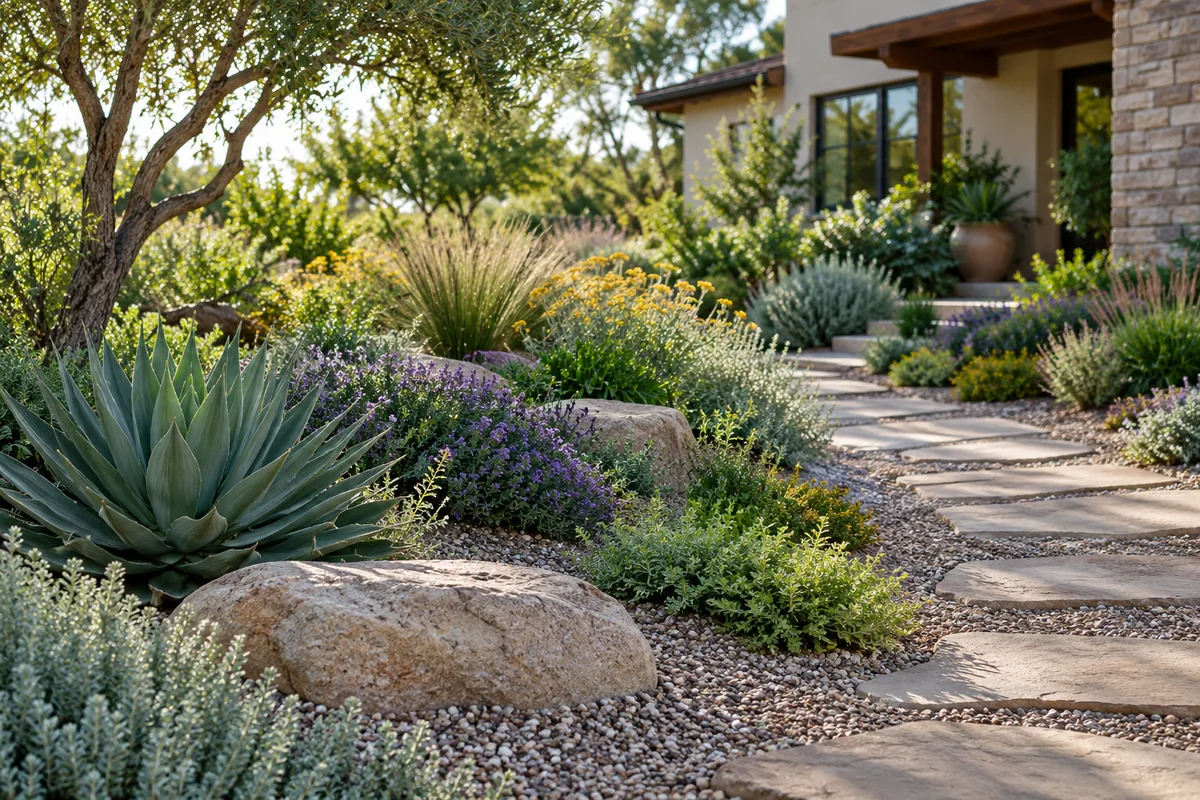
What Is Xeriscaping in Landscape Design?
Learn what xeriscaping means in landscape design, with a practical yard example, related terms, and the site decisions to check before making changes.
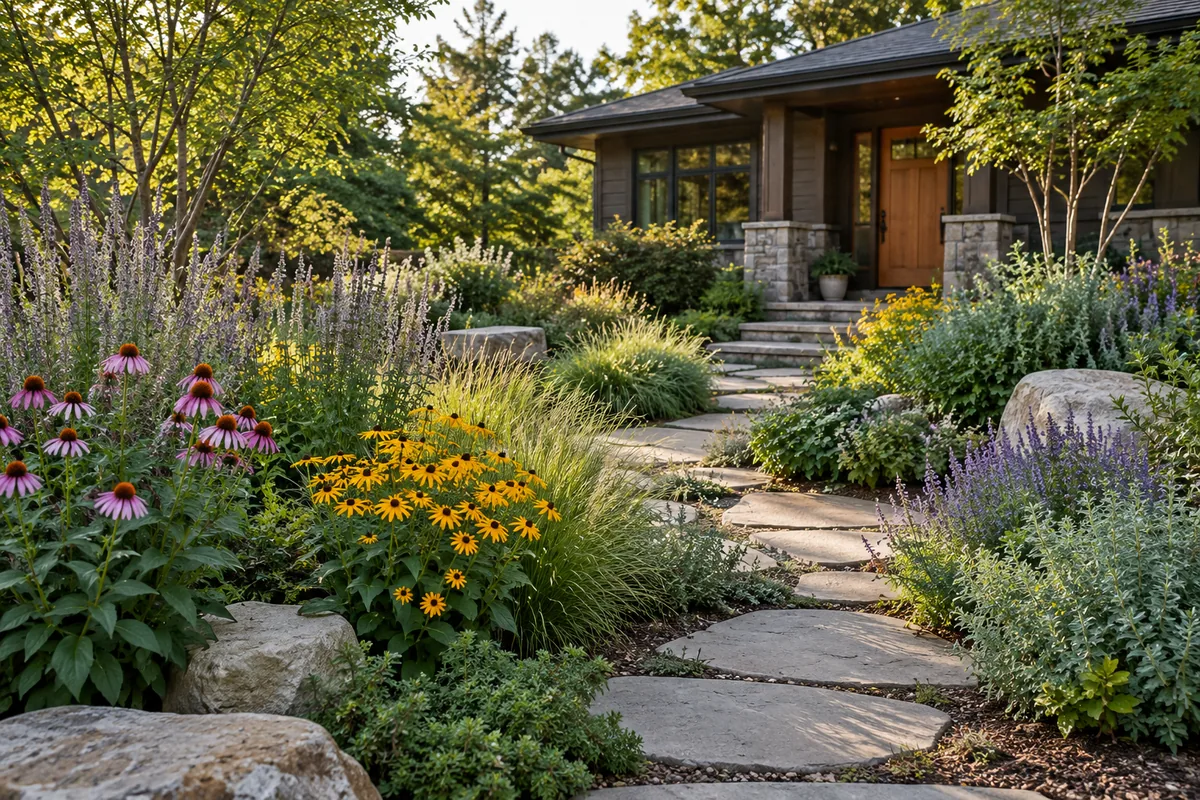
Native plant landscape style: regional plants with structure
Learn how native plant landscape style combines regional plant choices, seasonal change, and clear garden structure with practical care and neighborhood views.
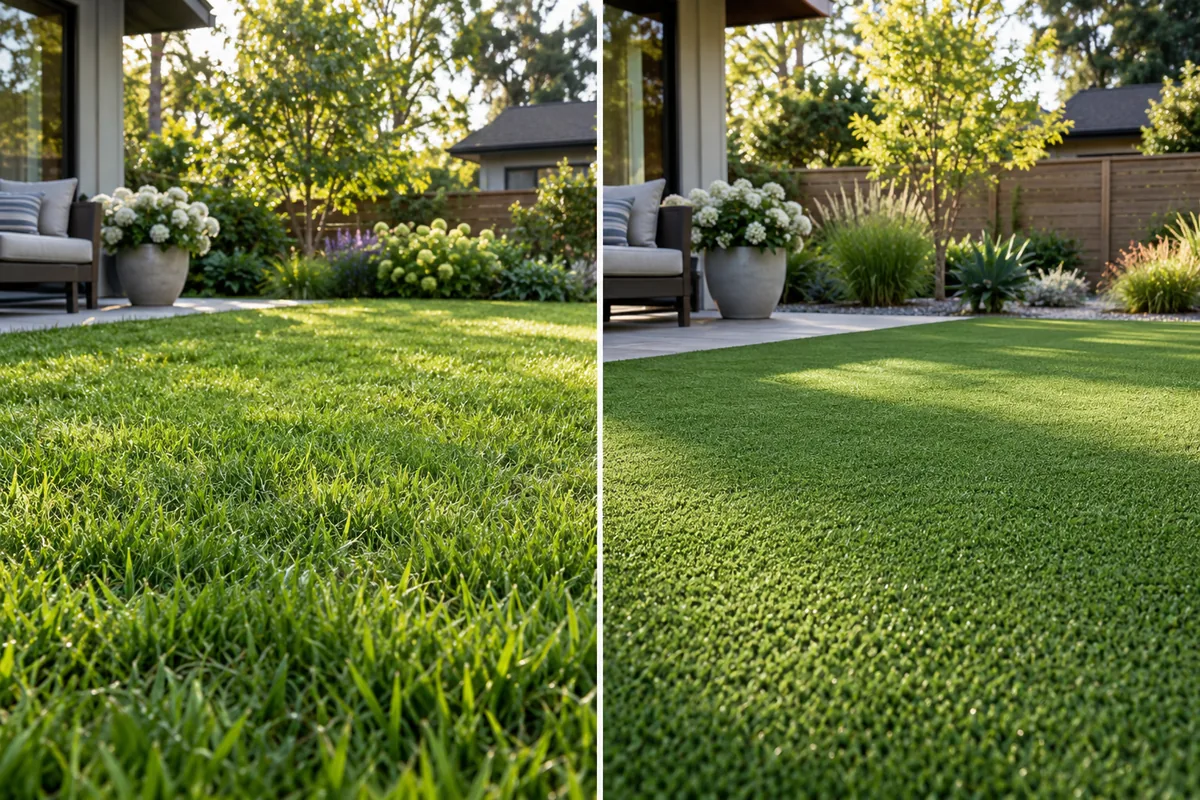
Artificial turf vs Natural grass: Which Fits Your Yard?
Compare artificial turf and natural grass for your yard. Review layout, materials, upkeep, and practical trade-offs before choosing a direction.