
AI Landscape Design 团队撰写 · 编辑方针
Backyard Play Equipment Ideas Start with the Actual Users
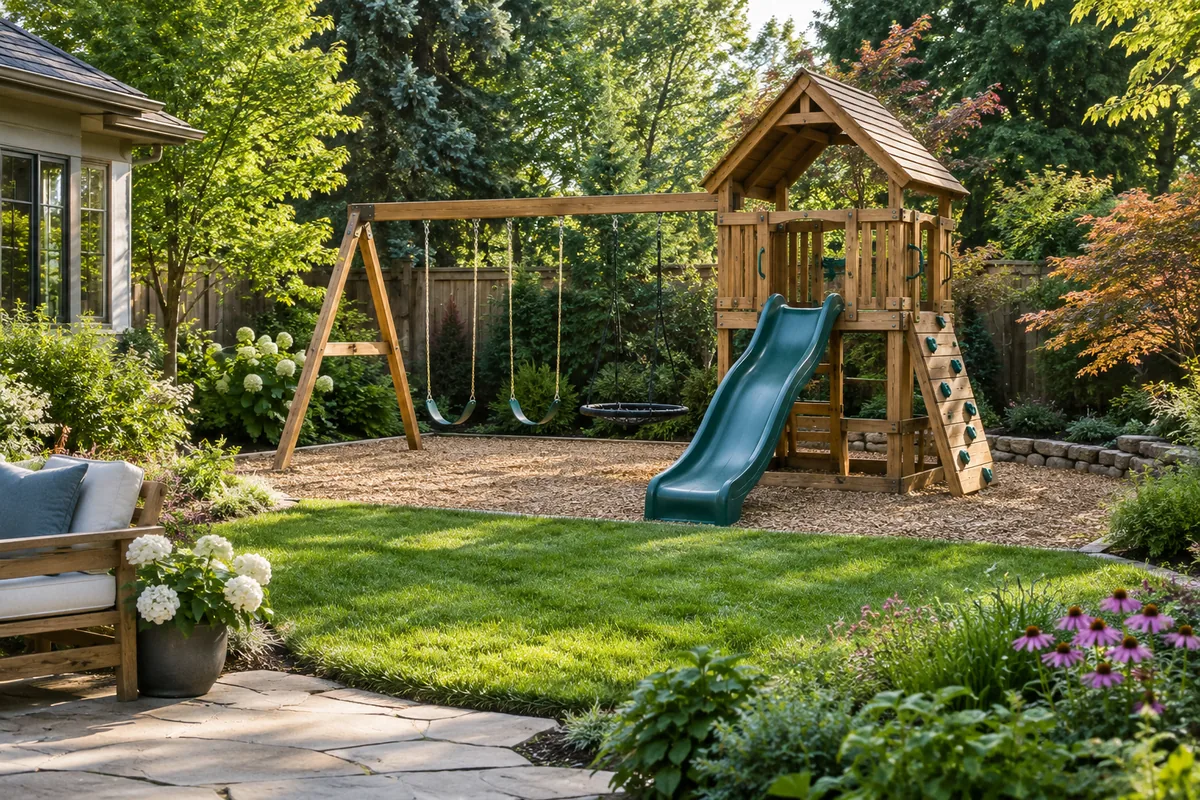
Backyard play equipment ideas should begin with the children’s ages, intended activities, and a location caregivers can observe. Choose identified products and assess their complete installation and protective surfacing through manufacturer guidance and relevant safety information. Plan inspections and future changes as children grow. A visual concept cannot establish safe fall zones, suitable surfacing, structural support, or appropriate equipment for a particular child.
发布日期 · 阅读约 6 分钟
要点
- Choose equipment for the actual age group and activity.
- Keep supervision and assessed protective areas available.
- Plan inspection and replacement as use changes.
What belongs in a backyard play area?
Play equipment can include age-appropriate climbing, sliding, swinging, or other identified products, but each brings specific installation and use requirements. Start with the children who will use the space and the kind of play the household can supervise. A large combined structure is not automatically more useful than a modest product that fits the ages and the site.
Observe the garden from the places where caregivers are actually present. Keep a clear view and a practical route to the equipment without sending adults through planting or around storage. Avoid treating a distant corner as suitable simply because it leaves the main lawn open. A layout should support attention during use rather than assume that visible play equipment supervises itself.
How should types and materials be compared?
Compare complete products rather than generic timber, metal, or plastic silhouettes. Ask the supplier about the intended age group, applicable standards, assembly, installation, use, and maintenance. Materials influence care and feel, but the product’s construction and instructions determine the actual requirements. A timber-looking frame in a photo cannot establish its strength or an appropriate fastening method.
Consider whether a fixed product, movable age-appropriate activity, or a different play arrangement fits the current household. Do not combine separate pieces without checking their complete clear areas and interactions. Accessories shown on a rendered structure may not be compatible with the identified product. Keep the exact model information and avoid altering it based on a decorative concept.
What determines placement and protective surfacing?
Use manufacturer guidance and the relevant CPSC information to identify the questions about equipment spacing, use areas, and protective surfacing. The CPSC Outdoor Home Playground Safety Handbook provides guidance for planning and maintaining a home play area, but it does not replace the selected product’s instructions or a qualified assessment of this installation. Do not copy a single generic depth or distance from an image.
Have the site and complete assembly assessed by appropriate qualified providers. Ordinary lawn or hard paving should not be assumed to provide the required protective surface. Equipment movement, fall height, use zones, and maintenance can affect the appropriate system. Keep the assessed area free of planting, furniture, and stored objects, and review access and any boundary hazards before installation.
How can play equipment relate to a garden style?
A modern garden may use a restrained background so the play structure does not compete with many unrelated materials. A native garden can frame the wider activity area with locally appropriate planting, while keeping assessed use zones and supervision clear. Neither style establishes the equipment’s safety or changes the product requirements.
Use color and surrounding planting to connect the area visually, but do not conceal hardware or supports that need inspection. Confirm plant identity, USDA hardiness, actual light, soil, moisture, local invasive status, and mature height and spread with local horticultural advice, so vegetation remains outside required clear areas. Where pets can reach planting, consult ASPCA toxicity information; that resource concerns animals, so assess children’s poisoning, contact, and physical hazards separately with appropriate local guidance. Keep hazardous tools and garden products secured elsewhere. A carefully styled scene should leave the essential play and observation relationships obvious rather than hiding them behind decorative screens.
Which costs and changes should be planned?
Compare product purchase, delivery, assembly, appropriate installation, protective surfacing, access, and continuing inspection. The visible frame is only part of the project. Ask providers what they assess and what responsibilities remain with the owner. If the site cannot accommodate the complete suitable arrangement, choose a different product or reduce scope rather than shrinking the required area.
Children’s interests and abilities change, so consider how equipment can be removed or replaced appropriately. A modest current-age arrangement may be more useful than a permanent structure bought for hypothetical future use. Keep future work separate from present installation requirements. Do not allow a later accessory or neighboring feature to intrude into the assessed protective or movement areas.
What inspection and safety routine is needed?
Follow product instructions and relevant safety guidance for inspection, maintenance, and use. Check the complete equipment and surfacing through the appropriate process, and seek qualified help for defects, instability, or uncertain repairs. Keep documentation available and avoid improvising replacement parts. Supervision and age-appropriate use remain essential alongside installation.
Review the setting after storms, landscape changes, and ordinary wear as instructed. Plants grow, loose objects migrate, and nearby storage can expand into the play area. Where ground work is needed, arrange the applicable 811 locating process and identify private services. An attractive photograph does not establish that buried conditions, supports, or the surrounding boundaries are suitable.
How should a visual concept be used?
Use kid-friendly backyard ideas and native backyard ideas to discuss broad location and the relationship with the garden. How to measure a yard helps organize site notes for a qualified provider, with actual product requirements kept alongside them.
A photo concept can compare whether an activity area is visually connected to the house and planting. It cannot validate age suitability, surfacing, use zones, structure, or supervision. Bring the preferred broad arrangement and exact product information to an appropriate installer, and revise the image-based choice whenever the assessed requirements call for a different layout.
常见问题
Can ordinary paving sit beneath play equipment?
Do not assume a hard surface meets the equipment’s protective requirements. Follow the selected product’s instructions and relevant safety guidance, with a qualified assessment of the complete installation. Suitable surfacing depends on the actual equipment and use, not on how tidy the paving looks in a concept.
Does the CPSC handbook approve my backyard layout?
The Outdoor Home Playground Safety Handbook provides guidance for home play areas. It does not approve a particular installation or replace manufacturer instructions. Use relevant guidance with the identified product and qualified site assessment, rather than treating a generalized checklist as certification.
How should the play area change as children grow?
Review age suitability, activities, supervision, and product instructions before making changes. Plan appropriate removal or replacement, and keep new features outside assessed use areas. Do not modify a frame or add incompatible accessories merely because the household needs a new kind of play.
参考来源
相关阅读
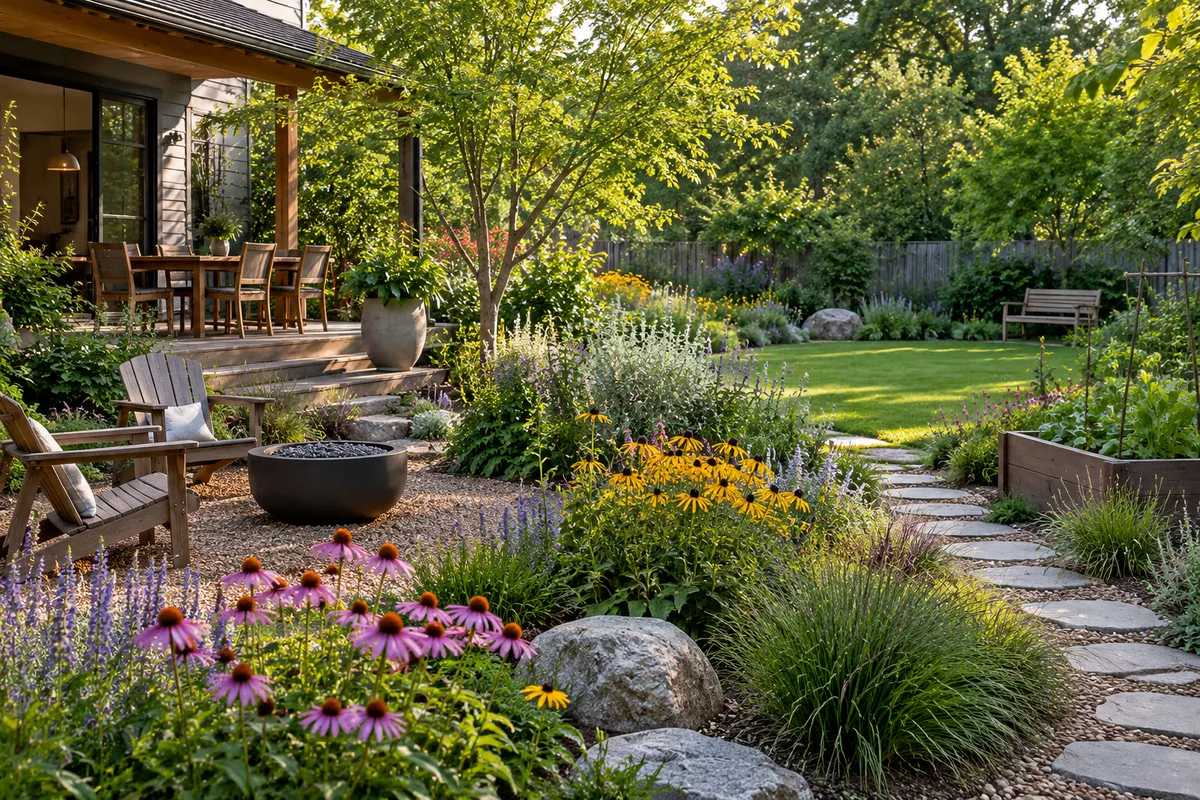
Native backyard ideas for seasonal planting and daily life
Find native backyard ideas for regional plant groups, seasonal texture, clear activity areas, useful access, and locally verified choices around the house.
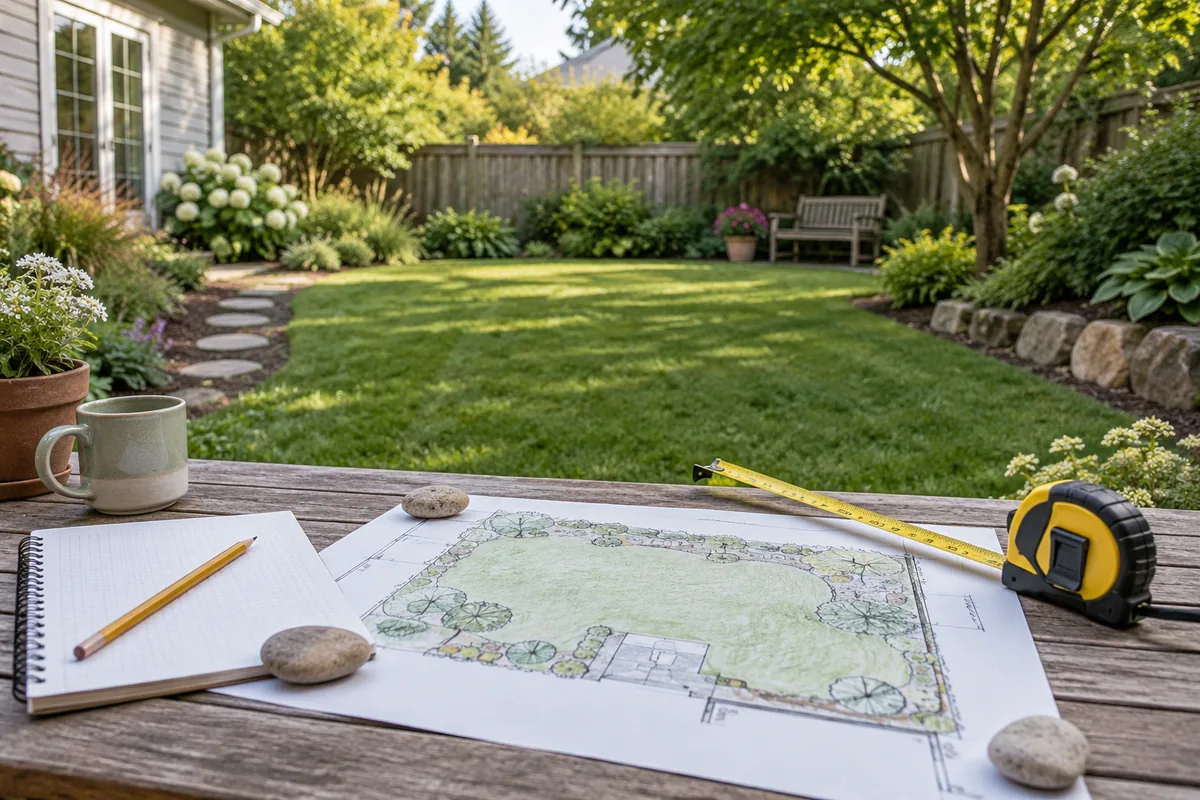
How to Measure Your Yard for Landscape Planning
Measure your yard for an initial planning sketch using clear reference points, recorded dimensions, and fixed-feature notes before seeking professional surveys.
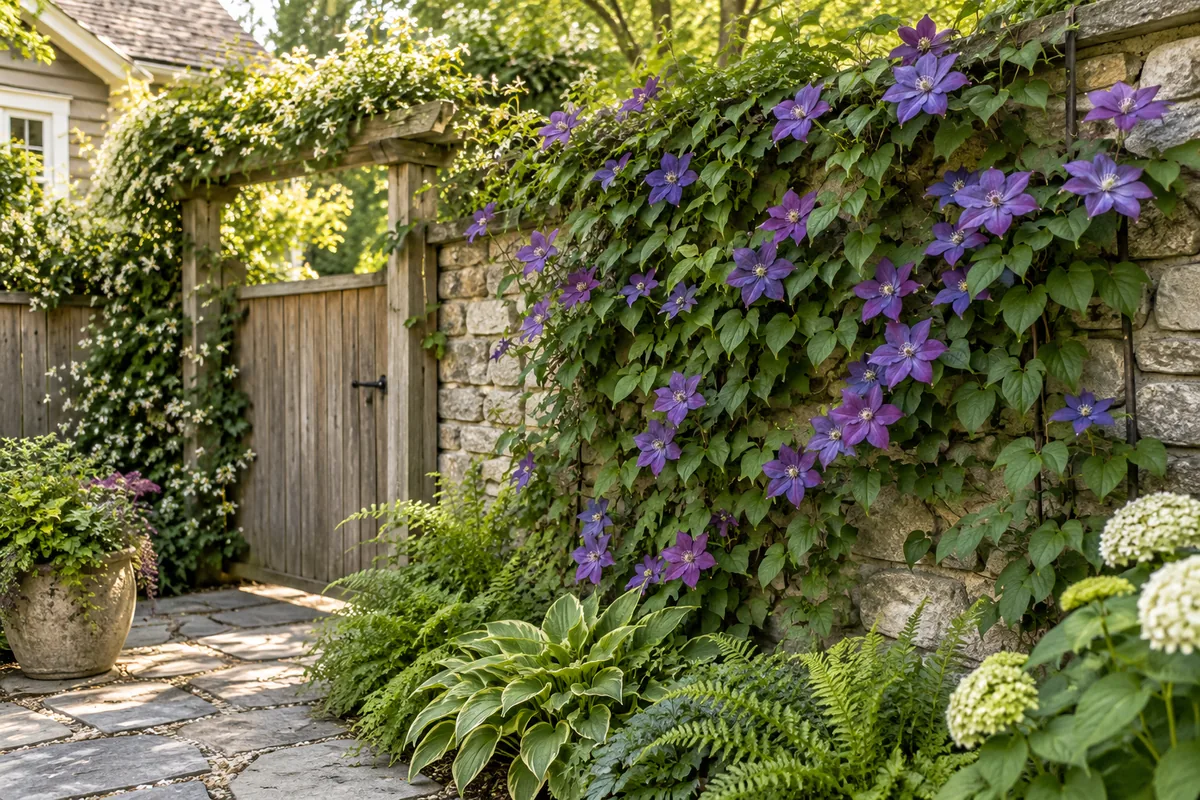
Climbing Vines for Fences and Walls with Suitable Supports
Climbing Vines: Support, Walls, and Local Fit: explore placement, upkeep, and local safety questions before deciding how this feature fits your yard.
Concrete Pavers for Patios, Paths, and Yard Routes
Learn how concrete pavers fit your yard, with practical material, placement, upkeep, and safety questions to review before choosing a visual direction.
Deciduous Trees for Landscaping and Seasonal Views
Deciduous Trees: Shade, Space, and Local Fit: explore placement, upkeep, and local safety questions before deciding how this feature fits your yard.
Evergreen Shrubs for Foundations and Winter Structure
Evergreen Shrubs: Foundation and Hedge Roles: explore placement, upkeep, and local safety questions before deciding how this feature fits your yard.