
AI Landscape Design 团队撰写 · 编辑方针
Native side yard ideas for regional planting beside access
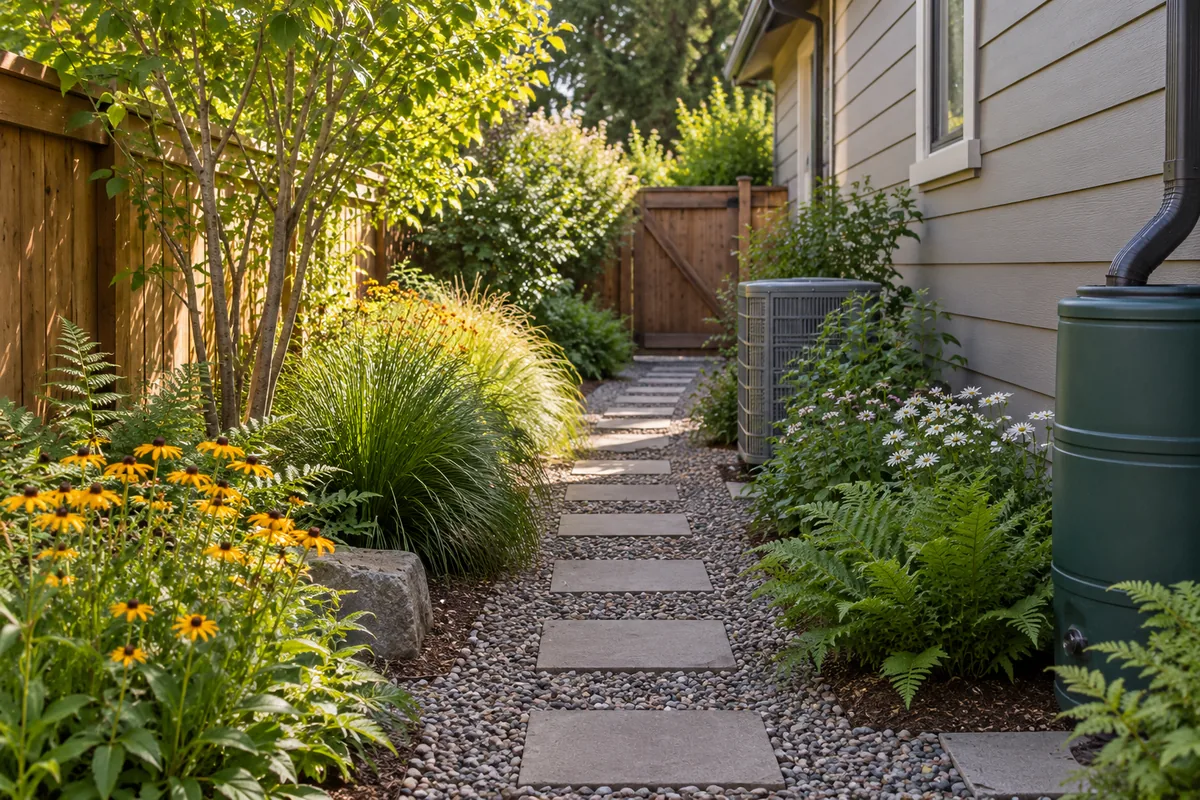
Native side yard ideas should fit regionally verified plant roles around a clear working route and reachable equipment. Building shade, soil, moisture, and mature width determine what can grow beside the house. Use readable boundaries and selective seasonal care so the planting feels intentional, while keeping native status separate from assumptions about suitability, toxicity, or service access.
发布日期 · 阅读约 6 分钟
要点
- Verify local origin and the particular conditions beside the building.
- Keep the working route understandable through seasonal growth.
- Use plant roles that leave equipment and gates reachable.
What does the side yard ask of regional planting?
The side of a house can create distinct light and moisture conditions over a short distance. Observe each proposed area rather than applying a regional list uniformly. Then identify gates, doors, utilities, and equipment that need continuing access. Manufacturer, utility, and local requirements establish actual service clearances; neither native status nor naturalistic appearance changes those obligations.
Decide whether the planting is primarily viewed through a window or encountered while moving between garden areas. That distinction can change how much area it deserves. Review boundaries and neighboring windows before adding enclosure. Licensed local advice is needed for water and grade concerns. The useful starting point is a functioning passage with opportunities for verified planting, not an intention to convert every gap into habitat regardless of access.
Eight ways to fit regional roles into the side garden
- Map exposure before dividing the border. Identify where building shade, sun, and other conditions differ along the route. It suits a passage that appears uniform in a photograph but behaves differently on site. Match locally appropriate plant roles to those positions. A single repeated species forced into incompatible conditions is a counterexample even when its regional native status is correct.
- Keep a dependable route through seasonal growth. Use an appropriate existing or professionally reviewed surface for ordinary movement. This fits a side yard used for bins, tools, and rear-gate access. Maintain its edge as plants mature. Habitat intentions should not make an essential path disappear or require equipment to move through delicate planting.
- Repeat groups where mature width permits them. Connected plant roles can make a limited border readable from indoors or either end. It works when the planting footprint is genuinely outside circulation. Verify actual species and cultivar size rather than relying on a native label. A healthy plant can still be the wrong choice if its eventual spread dominates the passage.
- Compose one window view intentionally. A suitable plant group and quiet background may offer seasonal interest without planting the entire route. This suits a room frequently overlooking the side yard. Compare the view at everyday eye level and preserve utility access. The design can be regionally informed and formal or naturalistic; plant origin does not prescribe the composition.
- Set a seasonal-care boundary near access. Decide which stems and leaves may remain away from movement and which need editing beside doors or equipment. It works for a passage with varied planting positions. Seek local guidance on plant health and habitat intentions. A universal leave-everything rule is unsuitable when it creates a trip, contact, or inspection problem.
- Use a stable container only at a real opening. A locally suitable plant role in a manageable pot can mark the transition to the backyard. It fits a widened point outside door and gate movement. Container conditions need separate water, soil, winter, and weight assessment. Native origin does not make a pot self-sufficient, and a row down the route can obstruct routine work.
- Provide an inspection gap at service points. Treat accessible ground beside equipment as intentional open space rather than a planting failure. This suits a passage where meters or machinery interrupt the border. Check the actual requirements before adding any screen. Dense plants used to hide all equipment are a counterexample when inspection, airflow, or repair becomes difficult.
- Make care equipment easy to reach. Position water and tools so identification, weeding, and seasonal editing can happen without damaging the view. It works for a new regional planting area that needs observation. Keep storage outside service requirements and retain night visibility where necessary. Licensed professionals should review electrical installations rather than hiding decorative fixtures among mature growth.
How should the regional shortlist be checked?
Use regional sources and tools such as the National Wildlife Federation Native Plant Finder to identify candidates, then assess the actual side-yard conditions. The Lady Bird Johnson Wildflower Center can support further plant research. Check USDA hardiness zone, light, soil, moisture, mature form, and invasive information with local horticultural advice. Native somewhere in the country is not enough information for the precise location beside your house.
Consult ASPCA toxicity information for pet-accessible plants and separately assess sharp growth along children's or service routes. The native style guide explains regional selection, while perennial flower considerations help organize seasonal questions. Licensed local professionals should assess drainage, grades, foundations, retaining work, and electricity. Contact 811 before US digging and check private locating requirements. A visual concept cannot settle plant identity, safe clearance, or water behavior.
What keeps the regional planting part of a working connection?
Track plant growth and identify unwanted seedlings before they merge into the border. Keep routes and gates usable and inspect service points throughout the season. Establishment can require watering and weed work; do not assume native status eliminates care. Review the winter view and consider whether the boundary still communicates intention when flowers are absent.
AILandscape's side yard tool can explore a native-style visual arrangement from your photo. Compare seasonal density and the window view, then confirm plant identities, regional origin, measurements, utility access, drainage, and construction locally. The image does not establish an ecological result or a verified regional palette. Revise concepts that remove the gate or cover machinery. A useful side garden makes appropriate planting visible while supporting the ordinary work beside the house.
常见问题
Can native plants grow in building shade?
Some regionally appropriate candidates may suit the actual conditions, but native status alone does not establish that. Check exposure, soil, moisture, mature size, and winter conditions with local horticultural advice. Different positions along the same passage may need different plant roles.
Does regional planting need an informal side-yard layout?
No particular layout is required. Repeated groups and clear boundaries can use native plants intentionally while preserving the working route. Choose the arrangement according to daily access, the window view, maintenance, and actual mature growth rather than a prescribed naturalistic appearance.
Should seasonal material remain beside equipment?
Follow service, safety, plant-health, and local requirements when deciding what can stay. Material that works in a distant bed may obstruct inspection or movement beside equipment. Keep access clear and review seasonal care by position instead of applying one cleanup rule everywhere.
参考来源
相关阅读
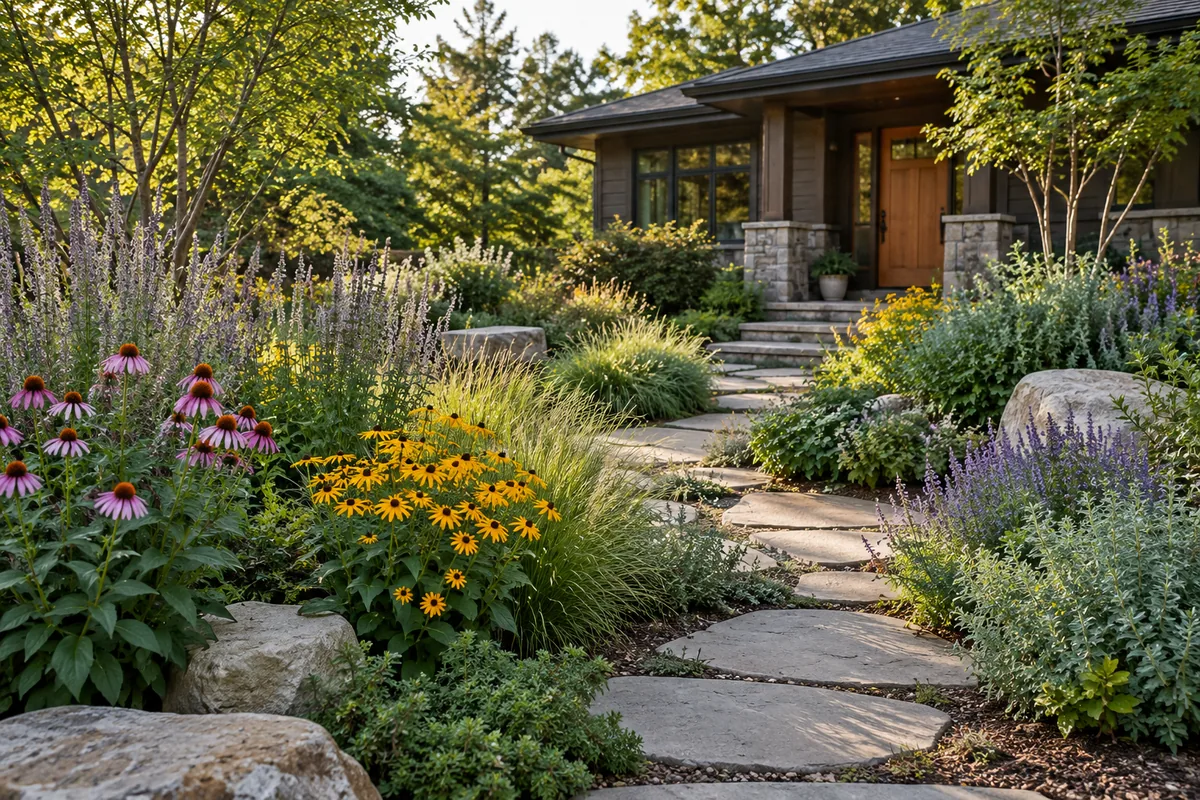
Native plant landscape style: regional plants with structure
Learn how native plant landscape style combines regional plant choices, seasonal change, and clear garden structure with practical care and neighborhood views.
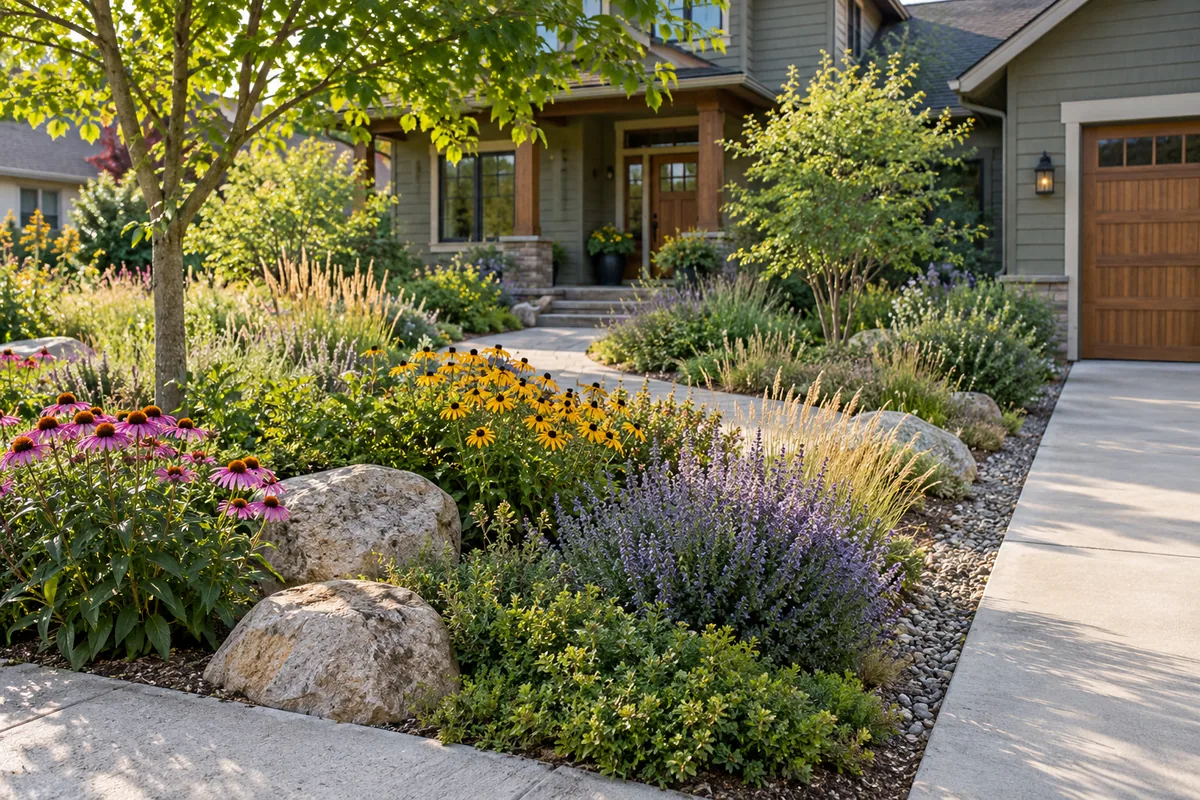
Native front yard ideas that make seasonal planting intentional
Find native front yard ideas for regional plant groups, legible borders, seasonal texture, visible entrances, and practical care in a publicly viewed garden.
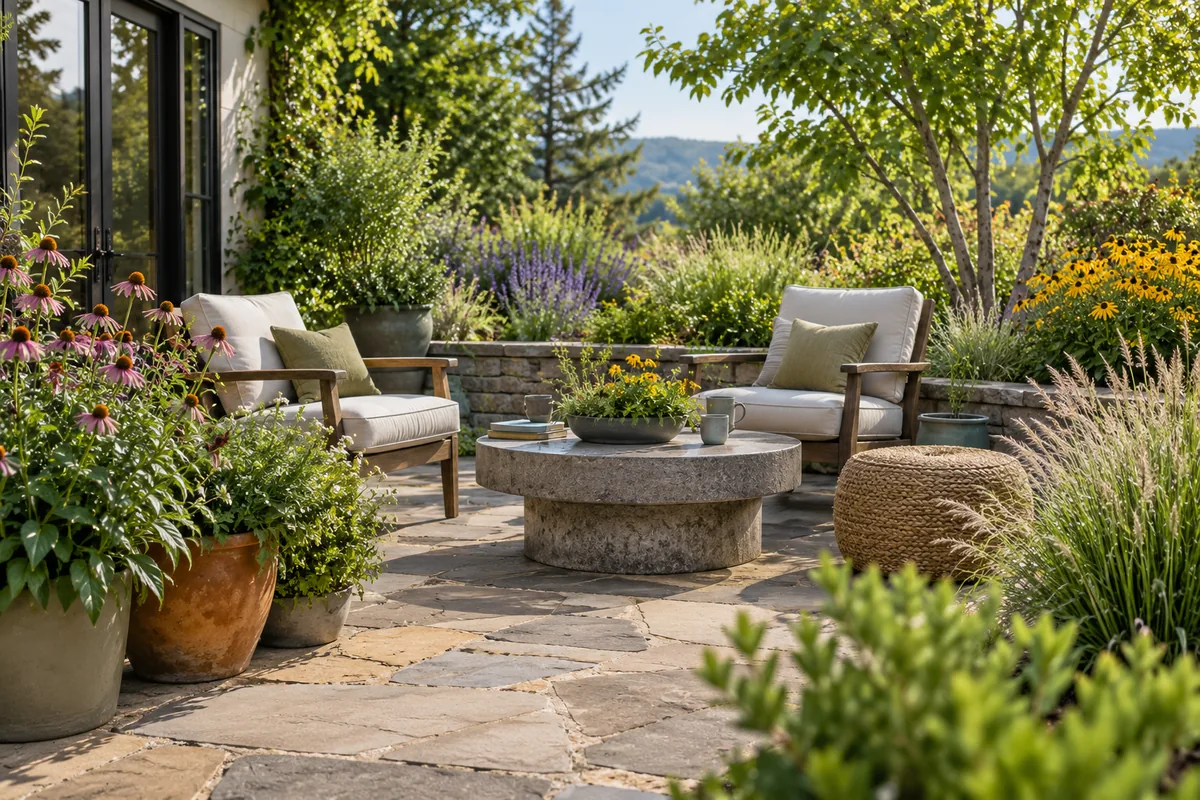
Native patio ideas for regional planting around everyday seats
Find native patio ideas for locally verified containers, seasonal foliage, readable edges, useful furniture, and practical care around the outdoor room.
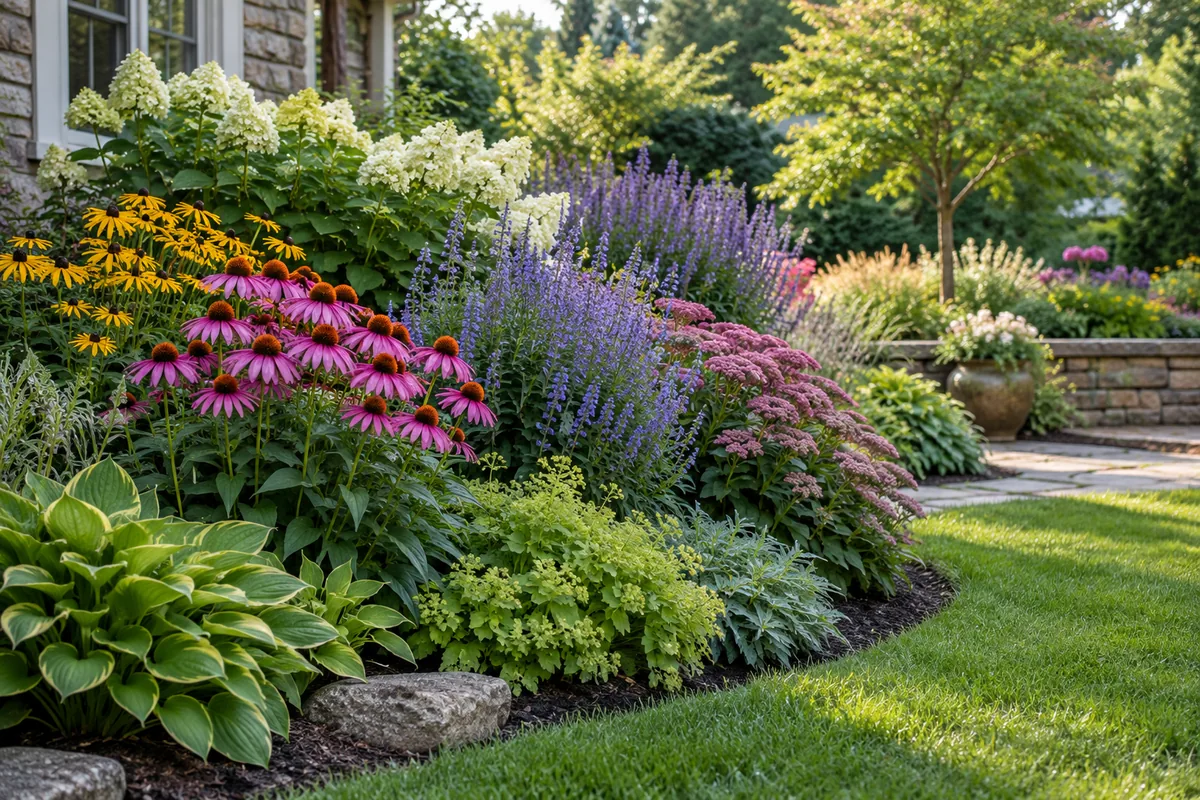
Perennial Flowers for Seasonal Roles and a Readable Border
Learn how perennial flowers fit your yard, with practical material, placement, upkeep, and safety questions to review before choosing a visual direction.
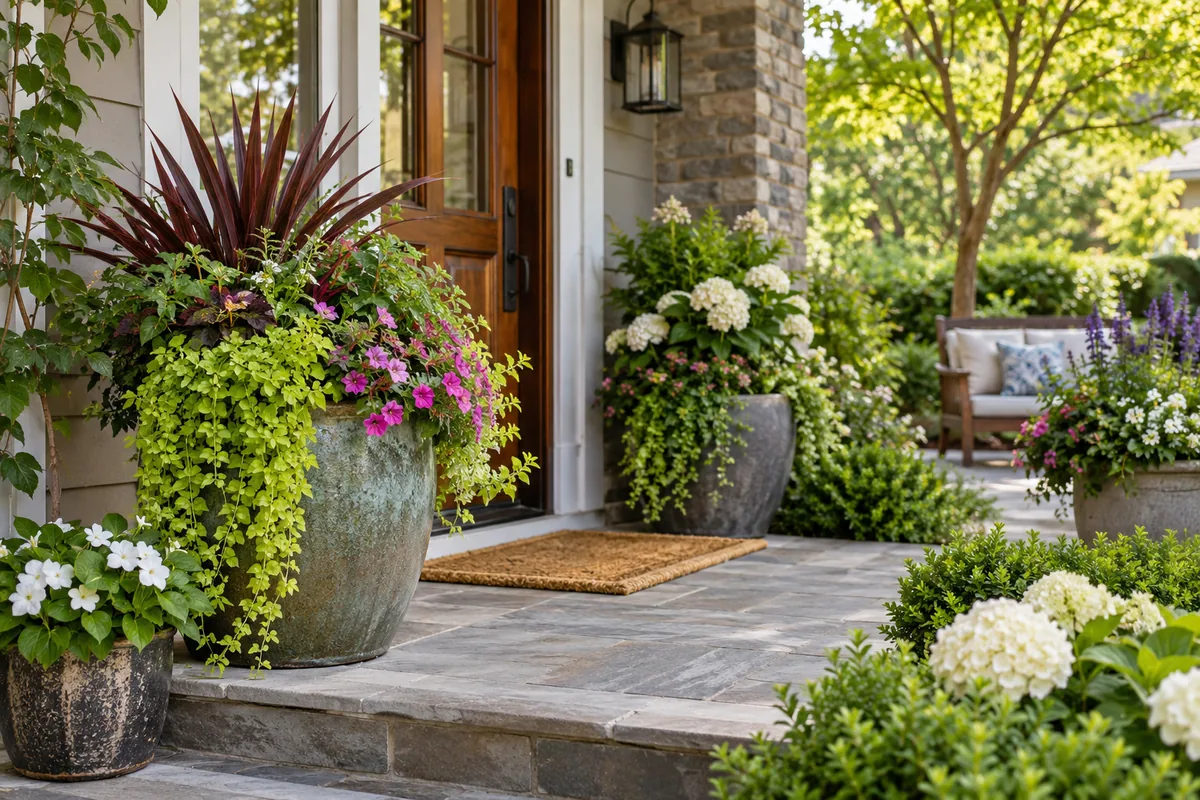
Garden Planters for Useful and Manageable Planting
Learn how garden planters fit your yard, with practical material, placement, upkeep, and safety questions to review before choosing a visual direction.
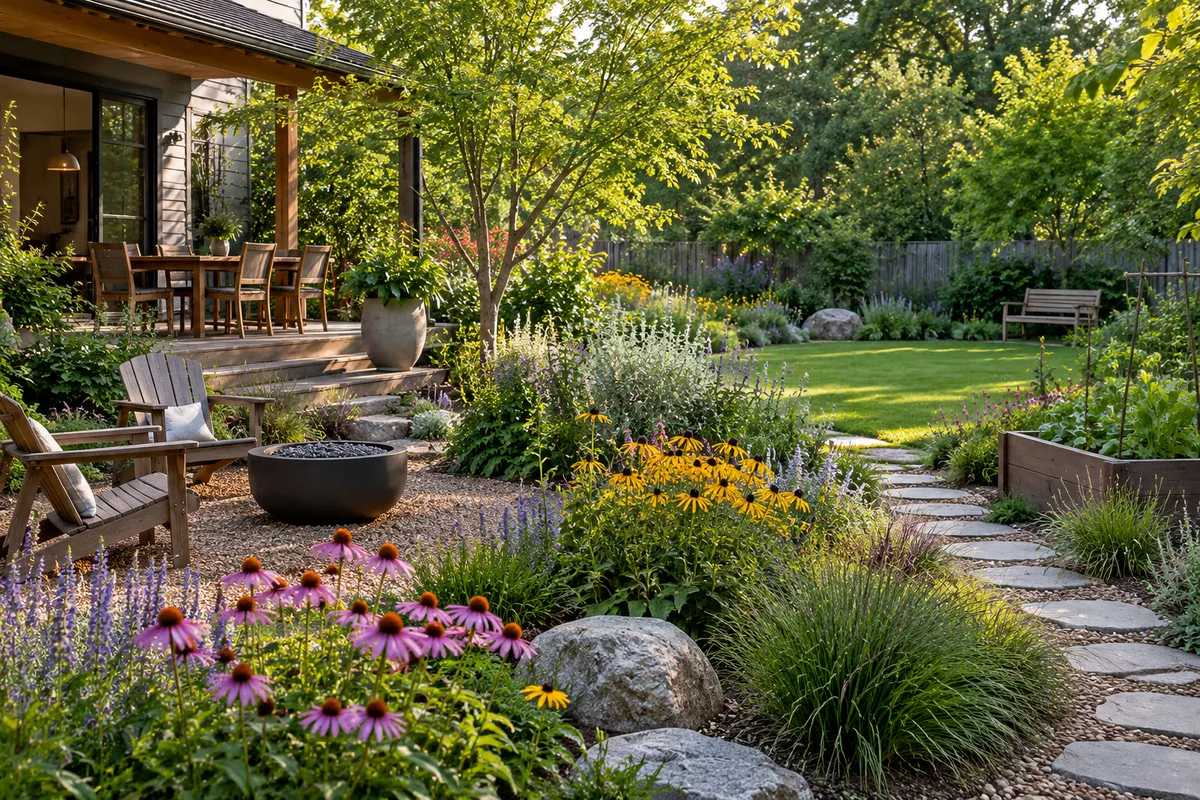
Native backyard ideas for seasonal planting and daily life
Find native backyard ideas for regional plant groups, seasonal texture, clear activity areas, useful access, and locally verified choices around the house.