
AI Landscape Design 团队撰写 · 编辑方针
Winter Landscaping Checklist for Access and Planning
A winter landscaping checklist should focus on usable access, observation of seasonal structure, and the information needed for future decisions rather than forcing activity into unsuitable conditions. In most temperate US climates, winter may change visibility and outdoor use, but local weather and plant needs determine appropriate care. Record concerns, seek qualified advice for damage or construction, and keep visual references separate from verified site, plant, and maintenance information.
发布日期 · 阅读约 6 分钟
要点
- Prioritize actual access and observed conditions.
- Use seasonal views to improve future planning.
- Keep care and repairs within appropriate local advice.
What can winter observation contribute?
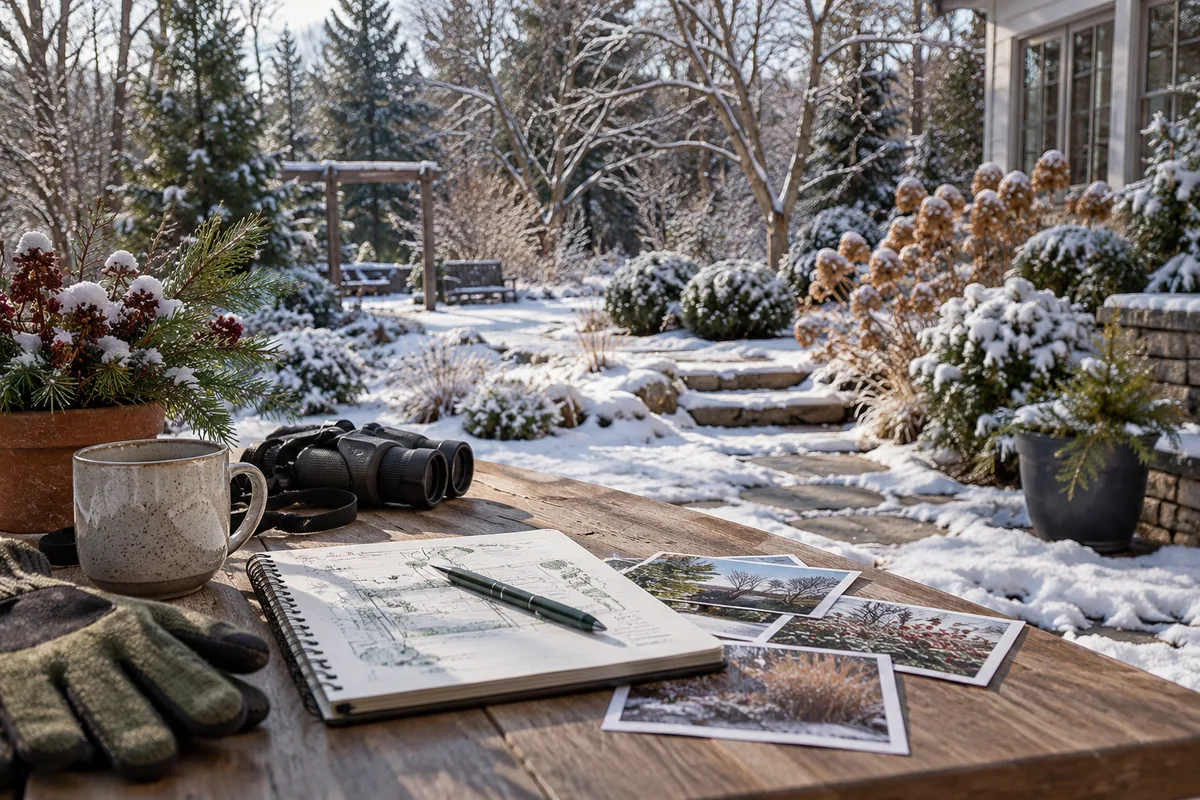
Look at the garden from the positions used during the season, including important indoor views and arrival points. Branching forms, retained foliage, surfaces, and open spaces may become more noticeable when flowers or leaves are absent. Record those relationships without assuming that every bare area needs replacement planting. A quiet seasonal composition can provide useful information for future decisions.
In most temperate US climates, winter is a distinct review period, but conditions vary widely and some gardens remain active in different ways. Confirm the location and USDA hardiness context before discussing plant choices. Seek local horticultural advice about seasonal behavior, health, and suitable care. Compare modern style with farmhouse style as different approaches to structure and restrained materials rather than climate guarantees. Keep the review focused on actual uses and retained features. The observation record can improve next season’s brief while avoiding rushed changes based on a photograph that shows only one winter moment.
How should access and damage be handled?
Review the essential routes and features through appropriate safe observation. Note blocked entrances, surface concerns, unstable objects, or damaged vegetation without attempting hazardous inspection. Ask qualified local professionals about structural, drainage, tree, and electrical conditions where needed. A homeowner checklist does not diagnose hidden damage or prescribe a winter repair technique.
Keep furniture, containers, and seasonal decorations from obscuring movement or equipment access. Ask appropriate experts about actual surface and local maintenance requirements rather than assuming one product or method is suitable everywhere. Lighting can help address defined tasks when professionally designed and installed; a glowing reference image does not establish real visibility. Before any excavation in the United States, use 811 and account for private-service locating separately. Conditions and local requirements may make certain work inappropriate at the intended time. The practical priority is clear information and qualified response, not checking every box immediately or treating the appearance of a completed winter concept as confirmation of safe use.
What plant decisions require patience and verification?
Identify actual plants before interpreting seasonal appearance. A deciduous plant can lose leaves as part of its normal cycle, while health concerns still deserve appropriate advice. Do not infer mortality or recovery from a single photo. Confirm USDA hardiness, local conditions, mature growth, invasive status, and care before choosing replacements. Toxicity remains relevant where pets can reach the planting even when flowers are absent.
Review evergreen shrubs as one possible visual role, without promising that every evergreen looks unchanged or suits the site. Local nursery or extension expertise should confirm the actual species and seasonal behavior. Retained stems, fruit, or other features need management suited to the plant and garden goals. Avoid blanket pruning or cleanup instructions that disregard health, habitat, and local timing. A winter planting discussion can remain at the role stage until conditions and real candidates are verified. The absence of a lush image is not itself a problem that requires immediate purchases or changes to the soil.
How can future work be organized now?
Use the observations to rank future improvements: an essential route, a clearer planting structure, or a repair requiring investigation. Keep budget assumptions and dependencies explicit. Structures, services, and surfaces may need professional work before new planting, so timing should follow the actual project rather than a universal seasonal order. Ask which information needs gathering before the next phase.
Use frost line to distinguish plant-climate context from construction requirements. A cold-zone label cannot specify foundations or support. AI concepts can explore the visual direction of future planting or paving, but they cannot verify local species, measurements, frost-related construction, drainage, or readiness for work. Record invented details and keep the image with the real site notes. Review the owner’s maintenance capacity before adding numerous winter-focused features. A simple coherent arrangement may be more workable than a collection of ornaments and plants chosen only because they photograph well. Plan the next responsible decision, not an unverified complete installation for the sake of finishing the concept.
Which grouped winter checks are useful?
Planning
- [ ] Record frequently used indoor and arrival views.
- [ ] Identify priorities for the next appropriate work period.
- [ ] Keep uncertain site conditions in the project notes.
- [ ] Ask professionals what information the next phase needs.
Hardscape
- [ ] Observe essential routes without taking inspection risks.
- [ ] Keep equipment and entrance access free of additions.
- [ ] Refer structural or electrical concerns to qualified people.
- [ ] Confirm local requirements before scheduling excavation or repairs.
Planting
- [ ] Distinguish known seasonal behavior from uncertain health.
- [ ] Research actual species before selecting replacements.
- [ ] Review evergreen roles against local growing conditions.
- [ ] Check animal access and toxicity independently.
Maintenance
- [ ] Obtain species-specific guidance for unfamiliar care.
- [ ] Record changes that deserve later reassessment.
- [ ] Avoid universal treatment rules from a single image.
- [ ] Update the future brief when observations change assumptions.
Adapt these actions to local weather, safe access, and the actual scope of work. They do not prescribe deicing methods, pruning dates, building details, or approval that a feature is ready for use.
常见问题
Does winter appearance reveal whether a plant is dead?
Seasonal appearance and plant health are different questions. Some plants normally lose leaves or visible growth, while damage needs appropriate diagnosis. Identify the actual species and obtain local horticultural or arborist advice instead of concluding from one photograph.
Can winter planning continue without immediate construction?
Observation, priorities, and information gathering can support later decisions even when physical work is not appropriate. Ask professionals about investigations and timing for the actual project. A useful planning phase need not install every feature shown in the visual concept.
Does the checklist provide snow or deicing instructions?
The checklist organizes observations and professional questions rather than prescribing products or methods. Surfaces, plants, pets, and local conditions can differ. Seek appropriate local guidance for the actual maintenance needs and avoid treating a general winter article as a universal treatment specification.
参考来源
相关阅读
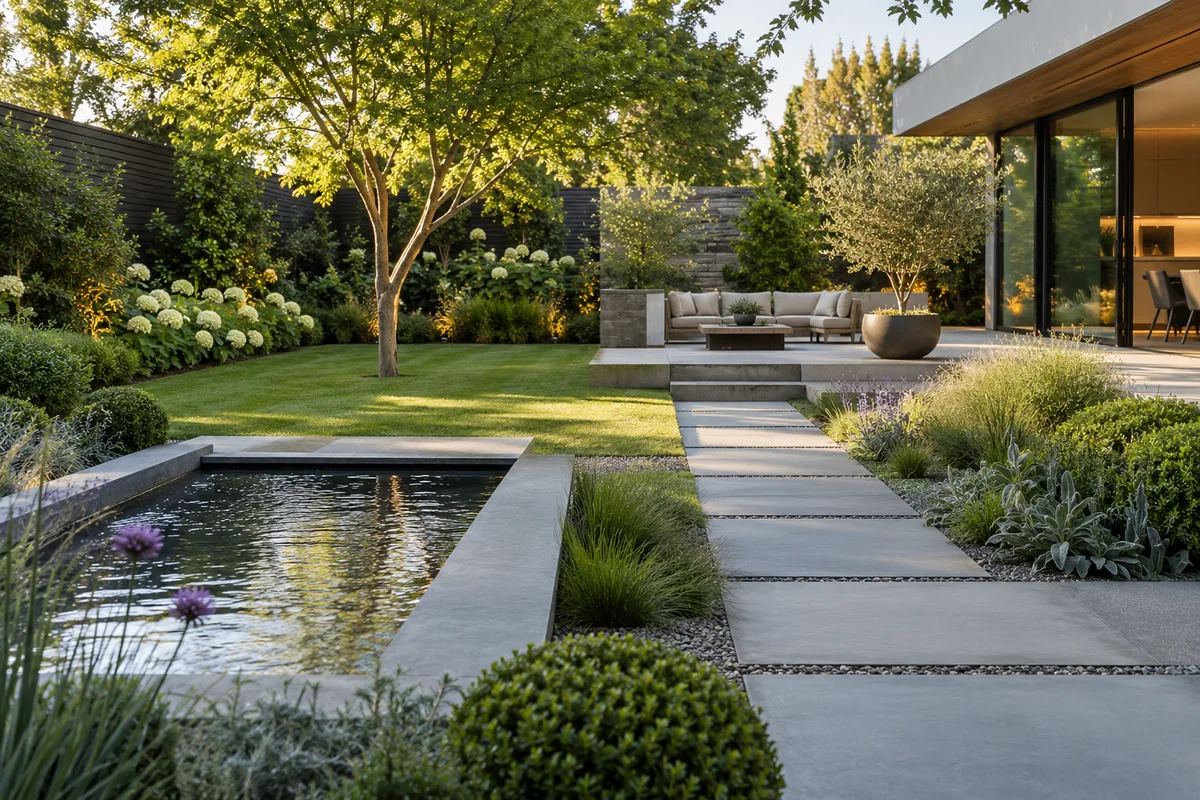
Modern landscape style: lines, space, and materials
Understand modern landscape style through clean lines, restrained materials, planting structure, and practical connections to contemporary architecture.
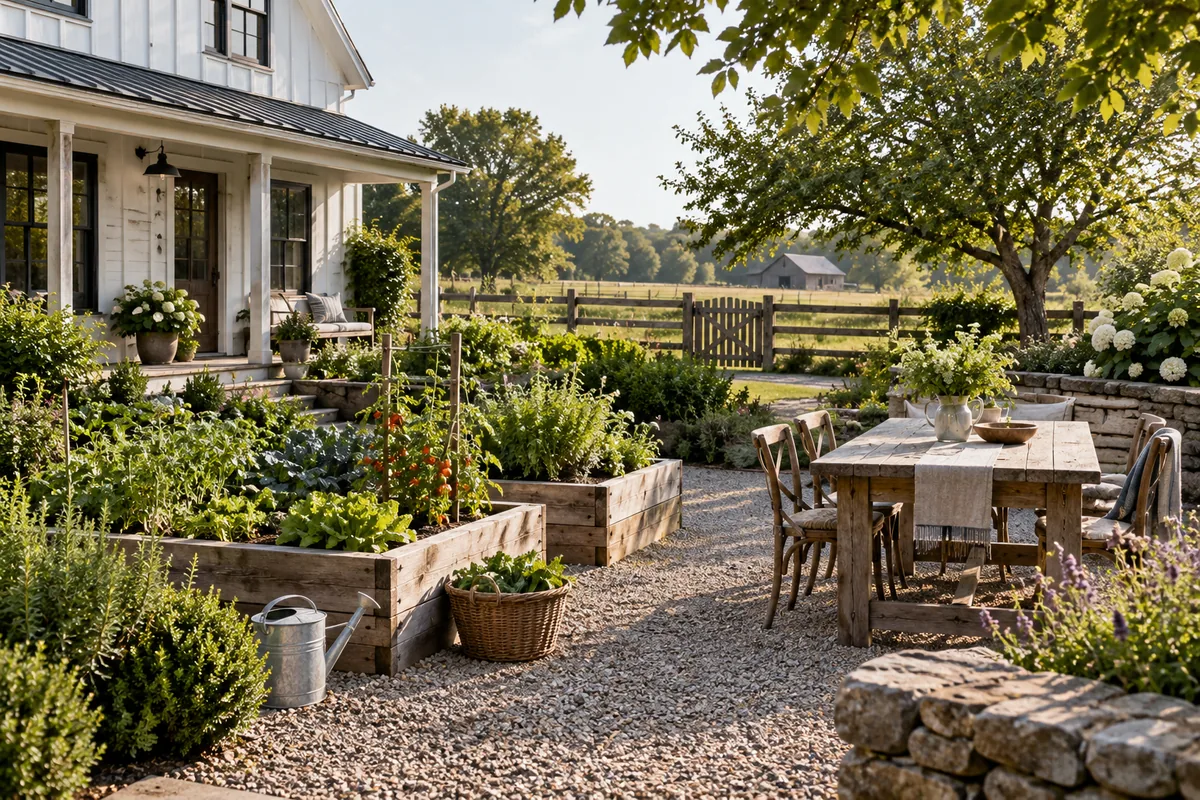
Farmhouse landscape style: useful spaces and honest materials
Discover farmhouse landscape style through practical fences, productive beds, wood and stone, and useful outdoor spaces that support everyday garden routines.
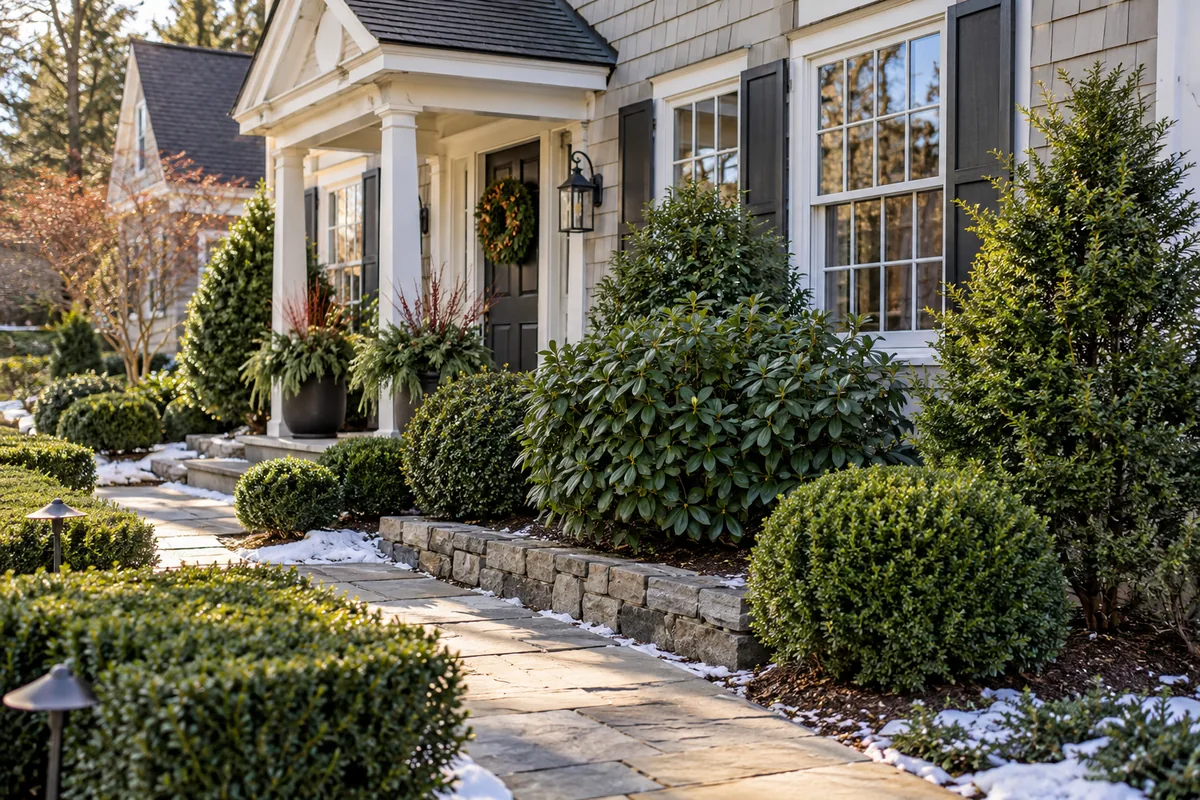
Evergreen Shrubs for Foundations and Winter Structure
Evergreen Shrubs: Foundation and Hedge Roles: explore placement, upkeep, and local safety questions before deciding how this feature fits your yard.
Fall Landscaping Checklist for Seasonal Review
Review fall landscaping with seasonal observations, useful access, locally appropriate plant care, and a grouped checklist before planning the next phase.
Brick Pavers for Useful Patios and Garden Paths
Brick Pavers for Patios and Paths: explore materials, placement, upkeep, and local safety questions before deciding how this feature fits your yard.
Outdoor Dining Set Ideas Based on the Occupied Table
Choose outdoor dining sets using table shape, real chair movement, serving routes, shade, material care, and the usable patio area rather than empty furniture.