
AI Landscape Design 团队撰写 · 编辑方针
Winter Interest Garden Ideas Beyond Flowers
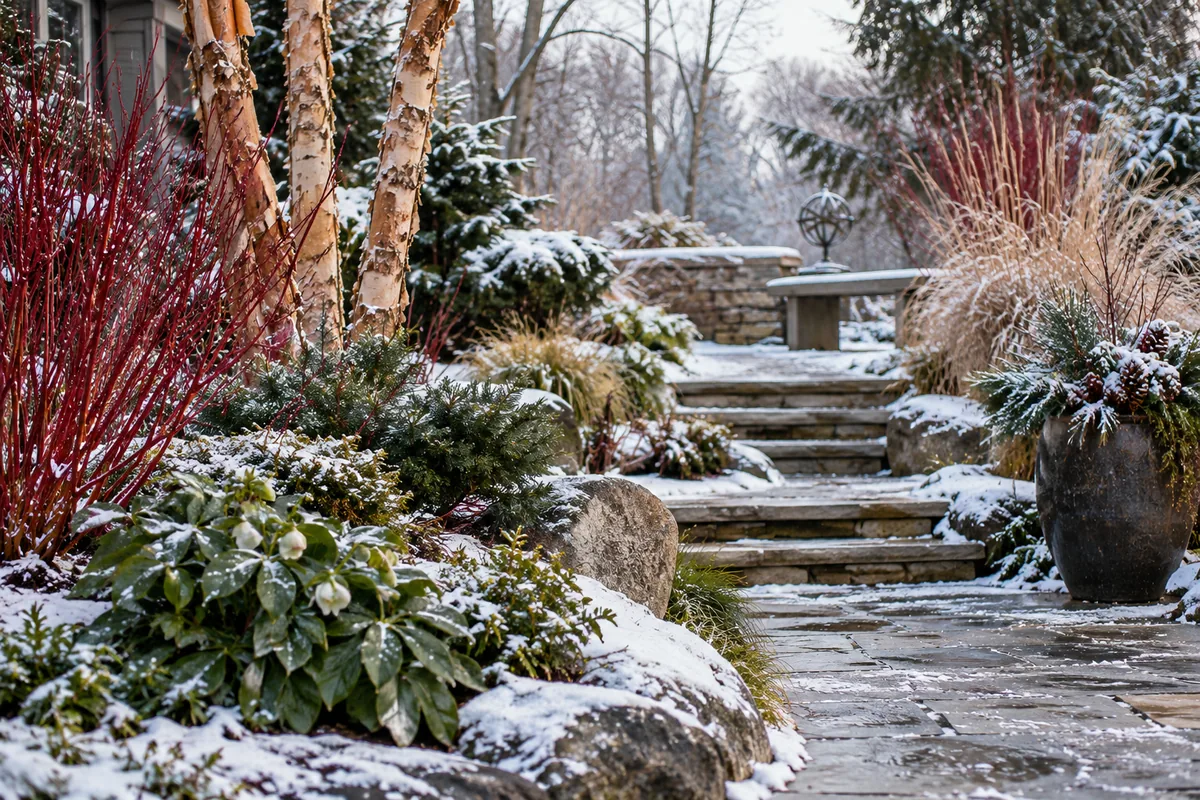
Winter interest garden ideas use the garden’s visible structure when seasonal flowers or leaves are absent: locally suitable evergreen foliage, branching forms, retained growth, and readable surfaces can all contribute. Start with the views and routes used in winter, then choose a limited set of visual roles. Confirm USDA hardiness and local plant guidance, and verify lighting or construction professionally; a winter image does not guarantee persistent features, species suitability, or safe installation.
发布日期 · 阅读约 6 分钟
要点
- Review winter views before adding objects or planting.
- Use different structural roles rather than relying on flowers.
- Verify real plants and installed features locally.
Which views should the winter composition serve?
Identify the window, arrival view, and outdoor position that matter during the actual season. The relevant views may differ from the summer pattern, especially when garden activities change. Record which existing forms already remain legible: a tree, a boundary, paving, or an open space. Avoid treating every leafless area as empty or assuming a new ornament is needed at each gap.
In most temperate US climates, winter can reveal the garden’s underlying relationships, but local conditions determine what persists and how the space is used. Confirm USDA hardiness and suitable regional advice before selecting real planting. Do not diagnose plant health from a seasonal image. Appropriate horticultural or arborist expertise is needed where condition is uncertain. Keep the visual discussion tied to actual site notes and retained features. A view from indoors may need a different foreground than one seen while walking through the garden. Comparing those positions helps choose useful roles instead of filling the property with details that are only attractive in a close-up photograph.
How can evergreen foliage provide a clear outline?
Locally appropriate evergreen planting may establish an edge, a repeated background, or an individual form, but the category does not identify a suitable species. Verify actual mature height and spread, light, soil, moisture, invasive status, and cold tolerance. Retained foliage is not a promise that every plant looks unchanged or performs the same way throughout the winter. Care and site conditions still matter.
Compare modern style with zen style for different uses of restraint, open surfaces, and plant form. Adapt the visual roles rather than copying species from the reference. Review evergreen shrubs as one possible palette discussion with local experts. Keep enough room for access and future growth instead of clipping every candidate into a restricted position. Consult ASPCA where pets can reach the planting and review child hazards separately. The usefulness of the evergreen role comes from its verified fit and position within the view, not simply from the plant category or a persistent-looking image.
What can branches, fruit, and retained growth contribute?
Branching forms can become more visible when leaves are absent, while suitable retained stems or other seasonal features may provide texture. These possibilities require actual plant knowledge and care decisions. Do not promise berries, upright stems, or wildlife visits for every season or site. Species behavior, health, local conditions, and management can change the result. Ask appropriate experts before pruning or handling unfamiliar plants.
Choose a limited number of contrasting roles so the composition remains readable. A strong branch outline beside a simpler background may contribute more than many small details competing in the same view. Check exact species and local invasive status; a visually attractive seed head or fruit does not establish ecological suitability or pet safety. Use deciduous plant to explain leaf shedding without treating it as a diagnosis. Review the plan during the real season where practical, and retain alternatives if local verification rules out a reference plant. A generated winter feature is a visual suggestion rather than evidence of actual identity or reliable seasonal behavior.
How do hardscape and lighting support the view?
Existing sound surfaces and boundaries can organize winter planting without requiring a new installation. Inspect their condition and practical use before deciding to replace them for a different palette. Essential routes need separate assessment of levels, access, maintenance, and drainage. A restrained material relationship may remain legible when foliage changes, but surface appearance alone does not establish suitability or safe use.
Lighting should respond to actual tasks and views rather than illuminate every plant. Describe arrivals, circulation, and preferred emphasis to a licensed electrician or qualified lighting professional. Glare, controls, neighboring views, electrical installation, and local requirements need real assessment. Before ground work in the United States, contact 811 and account for private utilities separately. A glowing AI garden image can show hierarchy but cannot verify illumination, circuits, structural support, or construction. Keep the technical questions with the visual brief so the winter composition remains an informed project rather than a collection of decorative lights and surfaces selected from an unverified nighttime reference.
How should winter ideas be tested before purchase?
Make a shortlist of visual roles, exact researched candidates, retained features, and questions requiring local review. Compare the arrangement from the actual viewing positions and remove redundant details. Consider how the same elements fit the rest of the year; a winter-focused addition should not automatically create awkward circulation or incompatible care during warmer seasons. Keep mature growth and maintenance visible in the test.
AI concepts can explore seasonal structure, but they do not confirm species, persistence, measurements, drainage, lighting, or installation. Mark invented details and use qualified local advice for the real planting and built choices. A simpler verified palette may be more useful than a dramatic concept dependent on many unconfirmed features. Review the owner’s care capacity and the conditions still awaiting investigation before ordering material. The purpose is interest that relates to the garden’s actual winter use, not an unchanged scene guaranteed to remain attractive without intervention. Local evidence and practical care determine whether the preferred forms and surfaces fit the real property.
常见问题
Does winter interest require evergreen planting?
Evergreens can provide one structural role, but branches, retained growth, surfaces, and open views may also contribute. Confirm real species, seasonal behavior, and care locally. A reference image is not proof that a particular feature will persist or suit the property.
Can berries or seed heads be assumed safe for pets?
A seasonal visual feature does not establish toxicity or safe animal exposure. Check exact plants against ASPCA information and obtain appropriate advice. Regional suitability, invasive status, and pet safety are separate questions that must be verified before accessible planting is chosen.
Can winter lighting be designed from a generated image?
A generated image can communicate preferred emphasis but cannot establish real output, glare, electrical design, or safe installation. Describe the tasks and views to qualified local professionals. Technical choices and any excavation must follow actual site information and applicable requirements.
参考来源
相关阅读
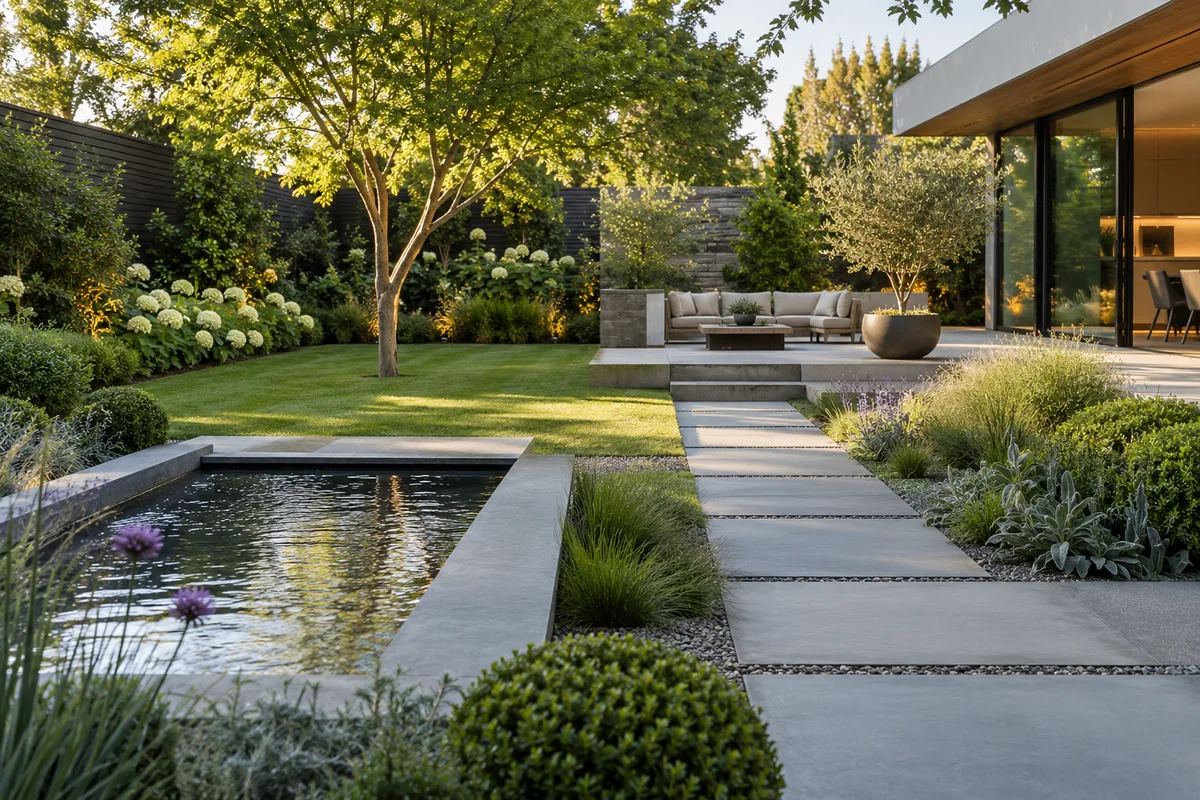
Modern landscape style: lines, space, and materials
Understand modern landscape style through clean lines, restrained materials, planting structure, and practical connections to contemporary architecture.
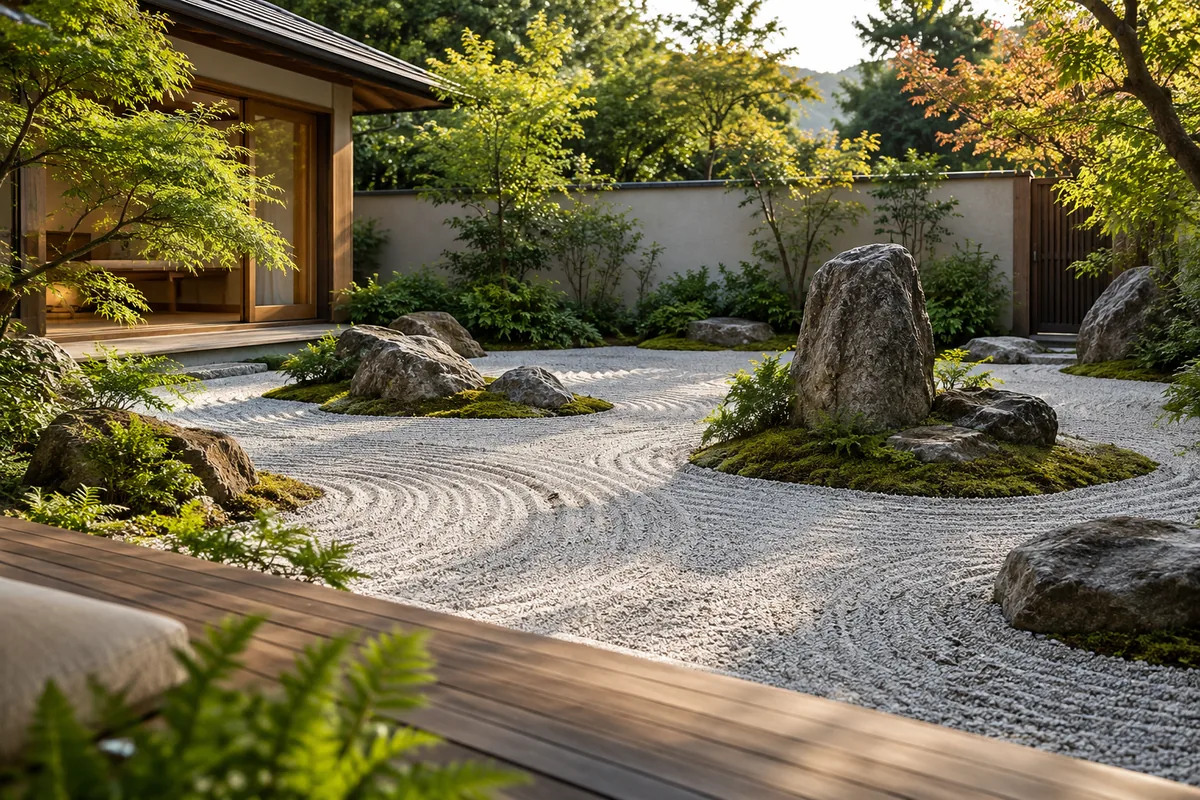
Zen garden style: stones, gravel, and deliberate space
Learn how zen garden style uses composed stones, raked gravel, restrained planting, and a chosen viewpoint, with practical limits for residential gardens.
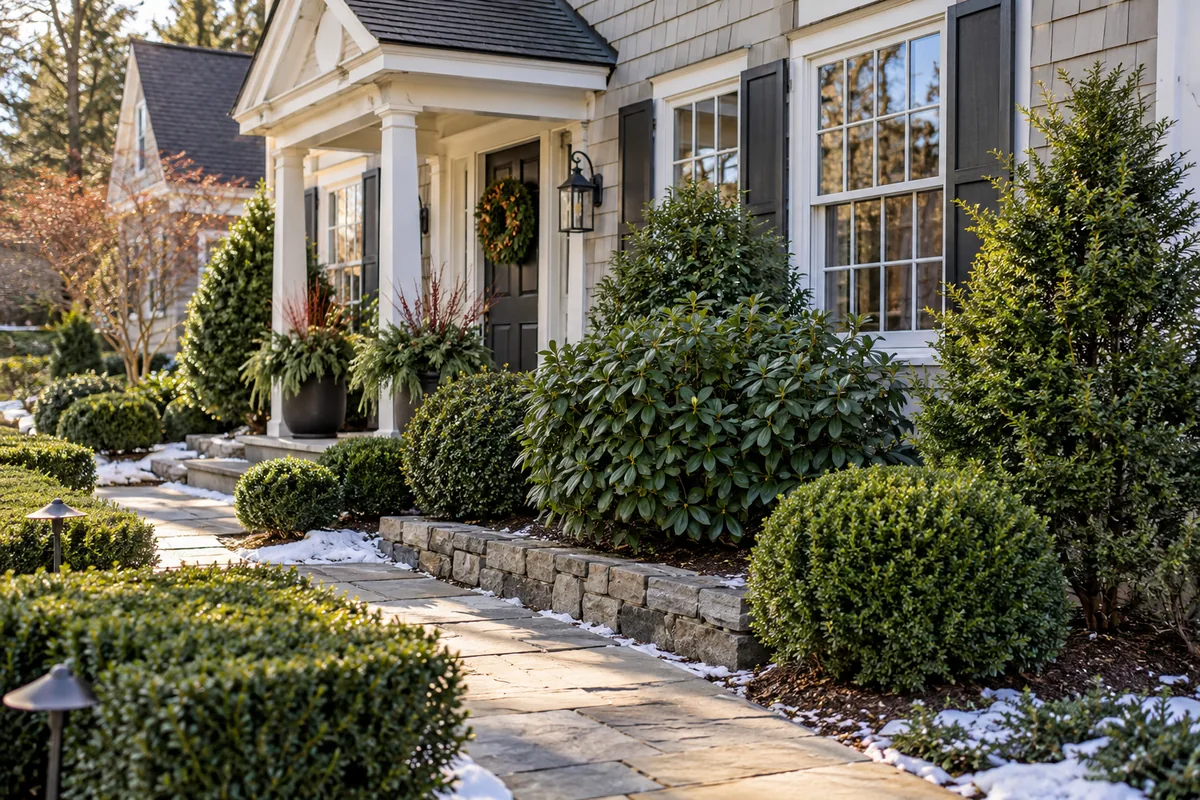
Evergreen Shrubs for Foundations and Winter Structure
Evergreen Shrubs: Foundation and Hedge Roles: explore placement, upkeep, and local safety questions before deciding how this feature fits your yard.
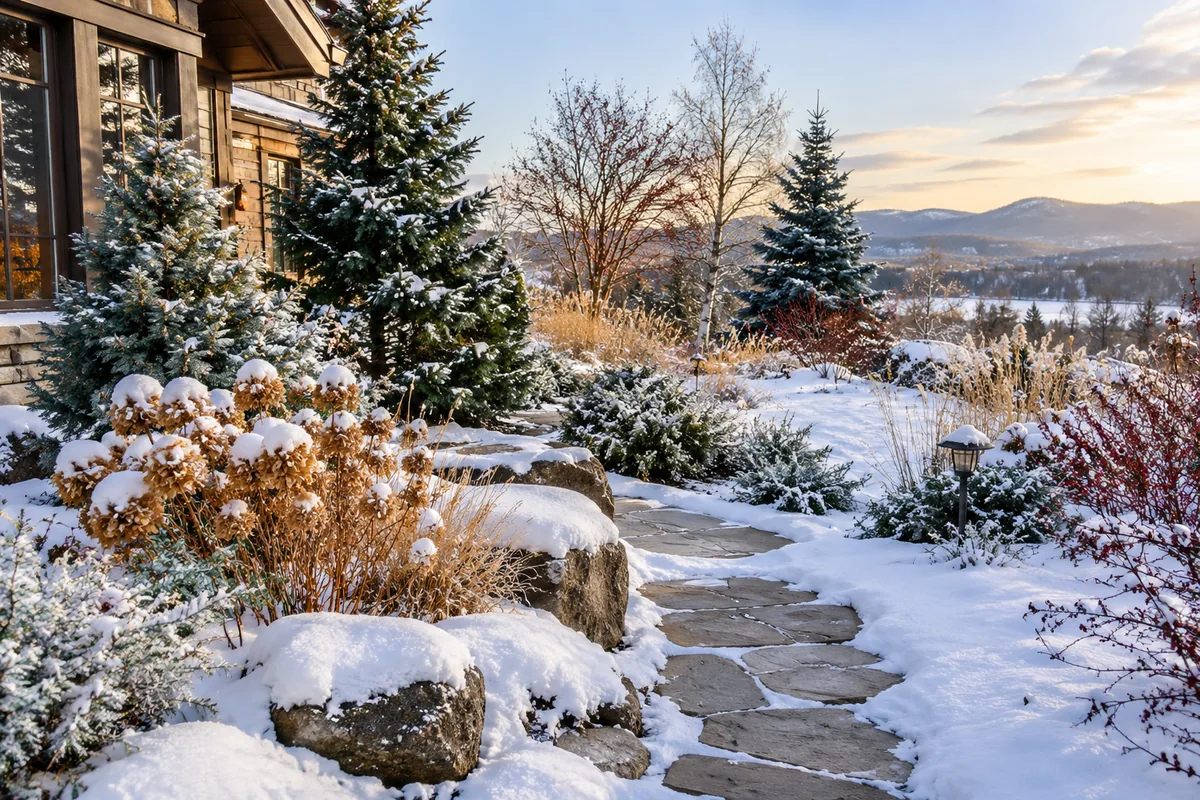
Landscaping for Cold Winter Climates
Plan cold-winter gardens with verified plant hardiness, seasonal views, usable access, and professional checks of surfaces and frost-related construction.
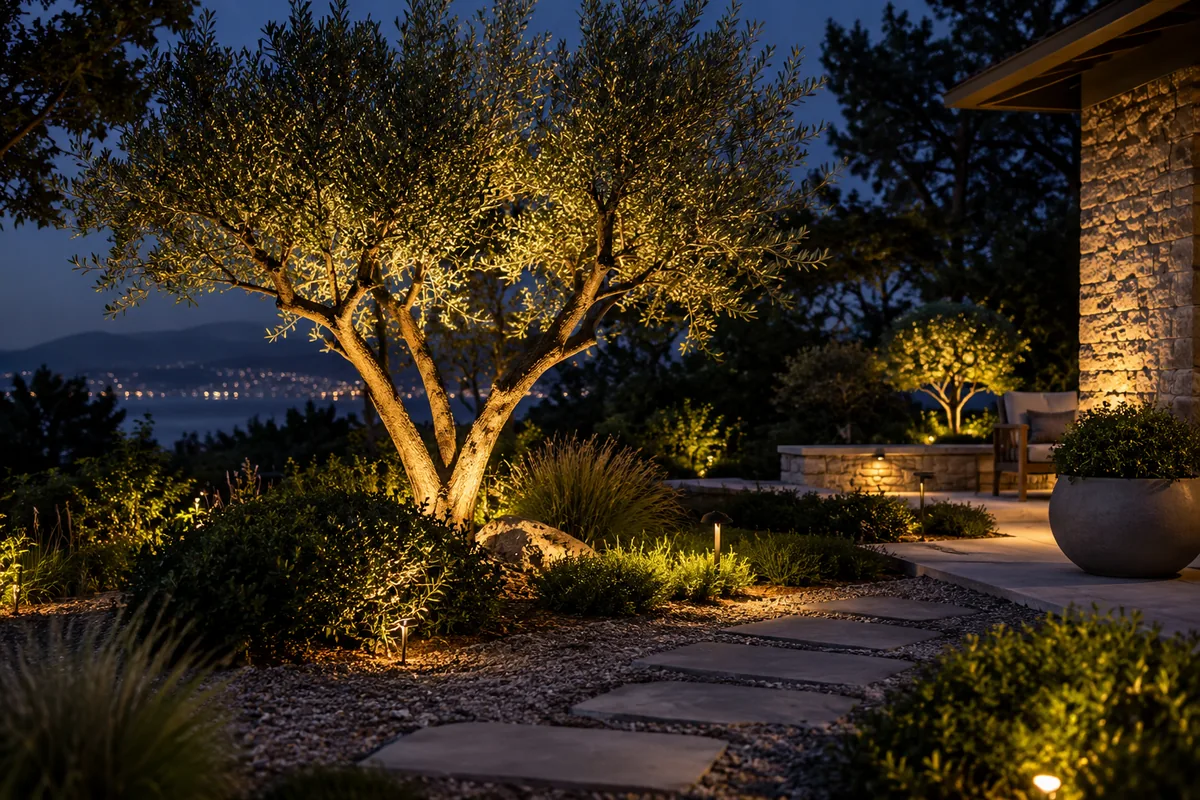
Landscape Accent Lighting That Respects the Night View
Plan landscape accent lighting around selected features, controlled glare, useful viewing positions, appropriate fixtures, and professional electrical review.
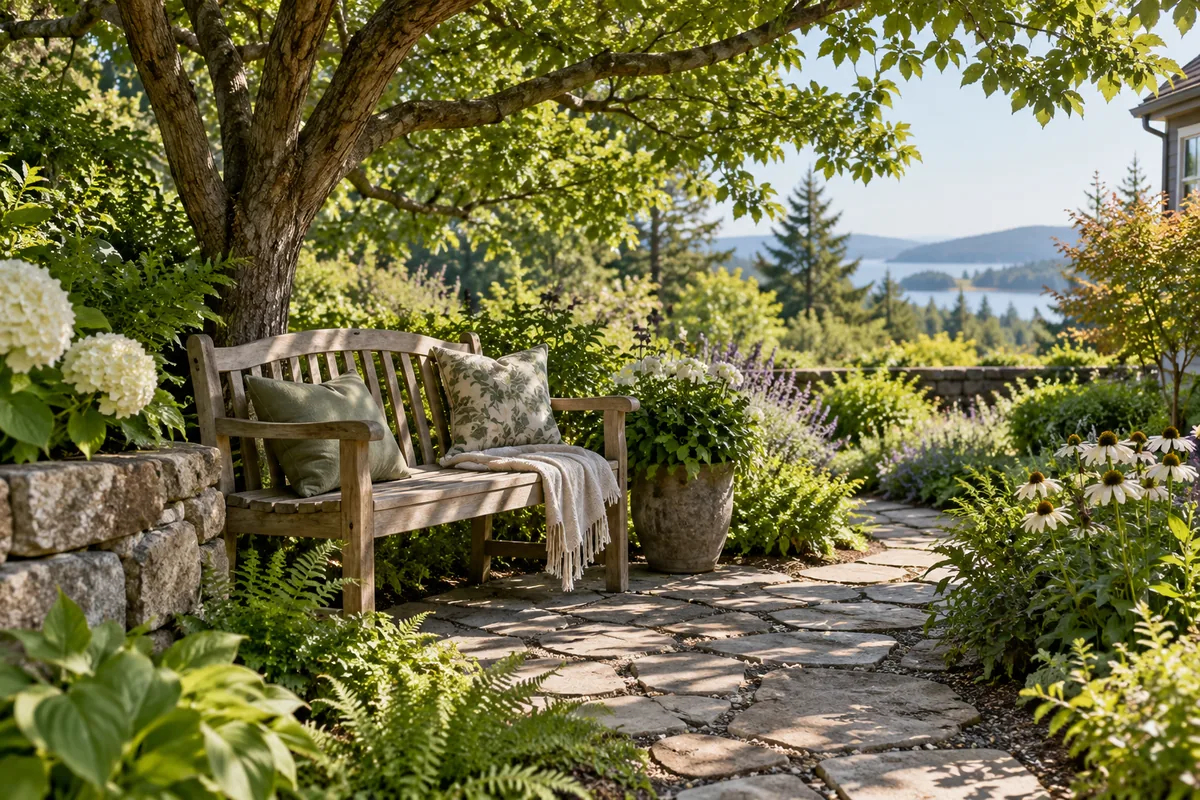
Garden Bench Ideas That Give People a Reason to Sit
Find garden bench ideas for shade, views, and everyday pauses, with practical guidance on seat fit, materials, access, maintenance, and stable placement.