
AI Landscape Design 团队撰写 · 编辑方针
Backyard Pet Area Ideas for Dogs Cats and Daily Care
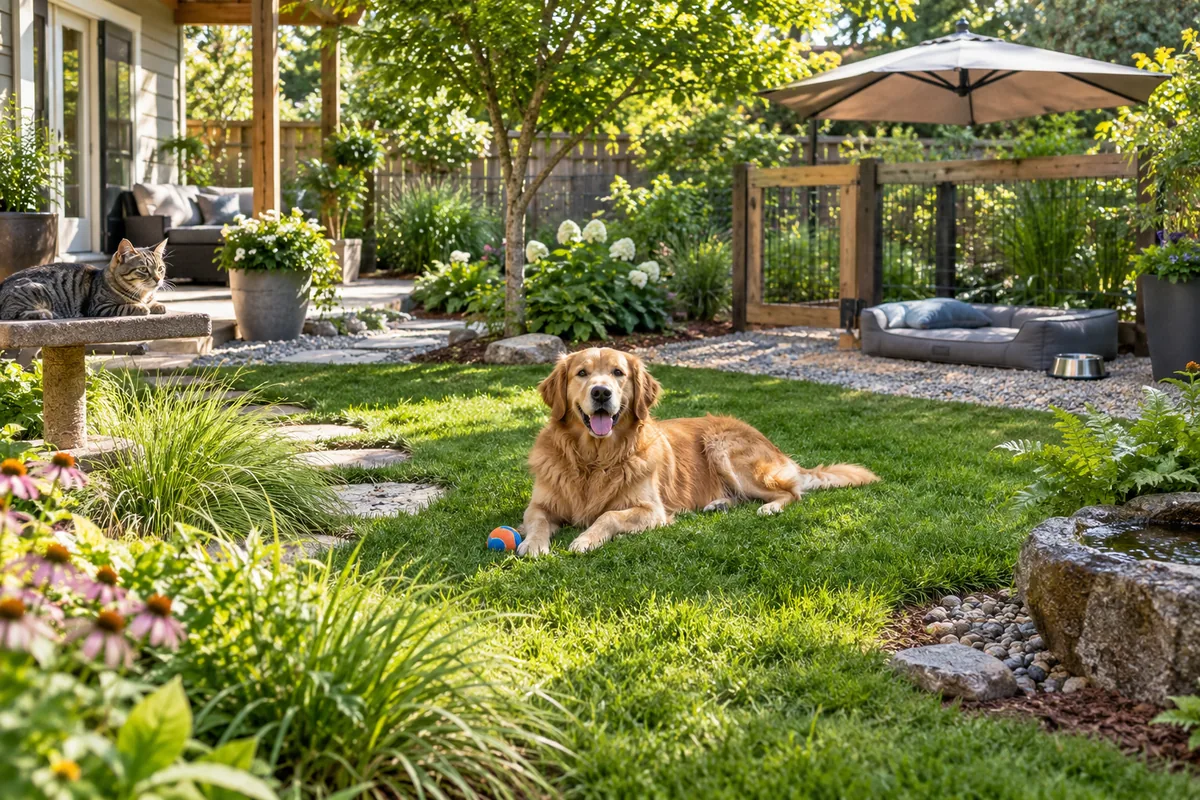
Backyard pet area ideas should reflect the individual animal’s behavior and care needs, then connect a supervised resting position, suitable surfaces, shade, water, and appropriate access. Dogs and cats may use outdoor spaces differently, and enclosure suitability needs direct assessment. Check reachable plants with ASPCA information and veterinary advice. A visual concept cannot prove paw comfort, toxicity, escape resistance, or an appropriate arrangement for unsupervised use.
发布日期 · 阅读约 6 分钟
要点
- Observe the individual pet rather than designing from a label.
- Compare surfaces through cleaning, temperature, and actual movement.
- Verify plants and enclosure independently from the image.
What is the pet area intended to do?
A pet area can be a supervised resting position, an appropriate exercise space, or a part of the garden organized around daily care. Specify the purpose before choosing a surface or enclosure. A dog that runs and digs creates different questions from one that sits beside the owner. Cats may interact with boundaries, climbing positions, and small openings differently, so do not copy a dog-run concept for every animal.
Keep individual behavior and veterinary advice central to the plan. Appropriate companionship, exercise, and care cannot be replaced by a landscaped enclosure. Choose a location where the caregiver can observe use and reach the animal easily. Record the doors, shared household routes, storage, and waste-handling positions so the pet arrangement does not conflict with ordinary movement.
How do surface choices differ?
Compare firm paving, loose materials, planted areas, and synthetic systems through their actual installation and care requirements. Paving can support a cleaning route but still needs suitable texture, joints, and attention to temperature. Aggregate varies in shape and movement, and a pet that mouths stones needs individual consideration. Artificial turf requires its specified cleaning and installation routine rather than an assumption of effortless upkeep.
Inspect relevant conditions directly and consult suppliers and veterinary professionals where needed. Surface color or apparent softness does not establish paw comfort. Observe sun exposure at the times the area is used, and review wet conditions and transitions. If the animal avoids part of the space, investigate the reason instead of buying another accessory to fill it.
What determines enclosure and placement?
Have the actual animal, boundary, gates, and proposed structure assessed appropriately. Digging, climbing, pushing, and small openings can change the enclosure questions. A fenced shape in a rendering does not establish secure containment or suitable support. Cats and dogs should not be assumed to share identical boundary needs, and new structures require relevant permissions and installation review.
Keep service equipment, exits, and maintenance access available. Do not turn a shared bin route into a permanent animal space unless both routines can work appropriately. Place supplies where cleaning can happen with the animal managed separately. Where excavation is needed, follow the 811 locating process and arrange identification of private services as applicable. Photography cannot reveal buried conditions or the capacity of existing supports.
How can the area suit a garden style?
A modern garden can use a clear resting edge and limited material palette, while a farmhouse garden may connect a simple pet position with practical storage. The style should organize the appearance around the animal’s needs, rather than dictate a surface or fence that fails in use. Keep the routine legible before adding decorative planting.
Choose locally suitable plants through exact identification, hardiness, exposure, soil, moisture, mature size, and invasive status. According to ASPCA, toxicity information needs to be checked for the animals that can reach the planting. Use its database and veterinary advice for uncertainty. A hedge outside a photographed enclosure can still become accessible as it grows, and a raised pot does not automatically prevent contact.
Which costs and care tasks matter?
Include appropriate assessment, surface preparation, fencing or other structures, shade, storage, cleaning access, and later repair in the budget. The cheapest visible finish may complicate waste collection or need frequent replacement. Ask suppliers and installers what the complete system requires. Reduce optional decorative scope before leaving important enclosure or ground conditions unresolved.
Rehearse the cleaning routine with the supplies actually used. Plan where wet equipment dries and how relevant waste is removed under local rules. Follow product labels and keep fertilizers, cleaners, sharp tools, and other supplies controlled. Review the arrangement after ordinary use: equipment left outside and repeated gate conflicts can reveal a poor storage or handling position.
What shade and inspection routine is useful?
Observe shade at the real time of use rather than relying on a pergola’s visual pattern. Keep a suitable water position accessible and convenient to check. Appropriate supervision and care remain necessary during changing weather. Structural shelter requires professional assessment, and the animal’s individual needs should inform whether and when the space is used.
Inspect boundaries, surfaces, and accessible planting through an appropriate routine. Refer damage or uncertain conditions to the relevant professionals and seek veterinary advice about individual concerns. Do not keep adding loose decorative items that become chewing or movement problems. Revisit the layout when the animal’s habits change, when plants grow, or when household access requirements become different.
How should a pet-area concept be reviewed?
Compare side-yard dog-run ideas for the enclosure and cleaning discussion with pet-friendly patio ideas for shared supervised use. How to measure a yard can help organize the site notes, while the individual pet and product information remain essential.
AI imagery can compare broad placement and the relationship between resting, planting, and household movement. It cannot establish surface safety, enclosure security, plant toxicity, or appropriate care. Use the preferred visual arrangement with real material samples, plant identities, and direct professional assessment before making permanent changes.
常见问题
Should dogs and cats use the same outdoor layout?
Not automatically. Observe the individual animal’s behavior, including movement, climbing, digging, and interaction with boundaries. Seek veterinary and appropriate enclosure advice. A pet-area label does not establish that a dog-run arrangement suits a cat or that one enclosure meets every animal’s needs.
Is a plant safe if it sits outside the fence?
Access can change with growth, fallen material, climbing, or movement through openings. Identify the exact plant and check ASPCA information for the animals involved, with veterinary advice for uncertainty. Review mature growth and actual contact rather than judging from the initial photograph.
Does synthetic turf remove cleaning work?
No surface label eliminates ongoing care. Follow the actual system’s specified installation, cleaning, inspection, and replacement requirements. Assess real temperature and pet behavior as well. A tidy rendered turf area cannot establish comfortable or hygienic conditions in daily use.
参考来源
相关阅读
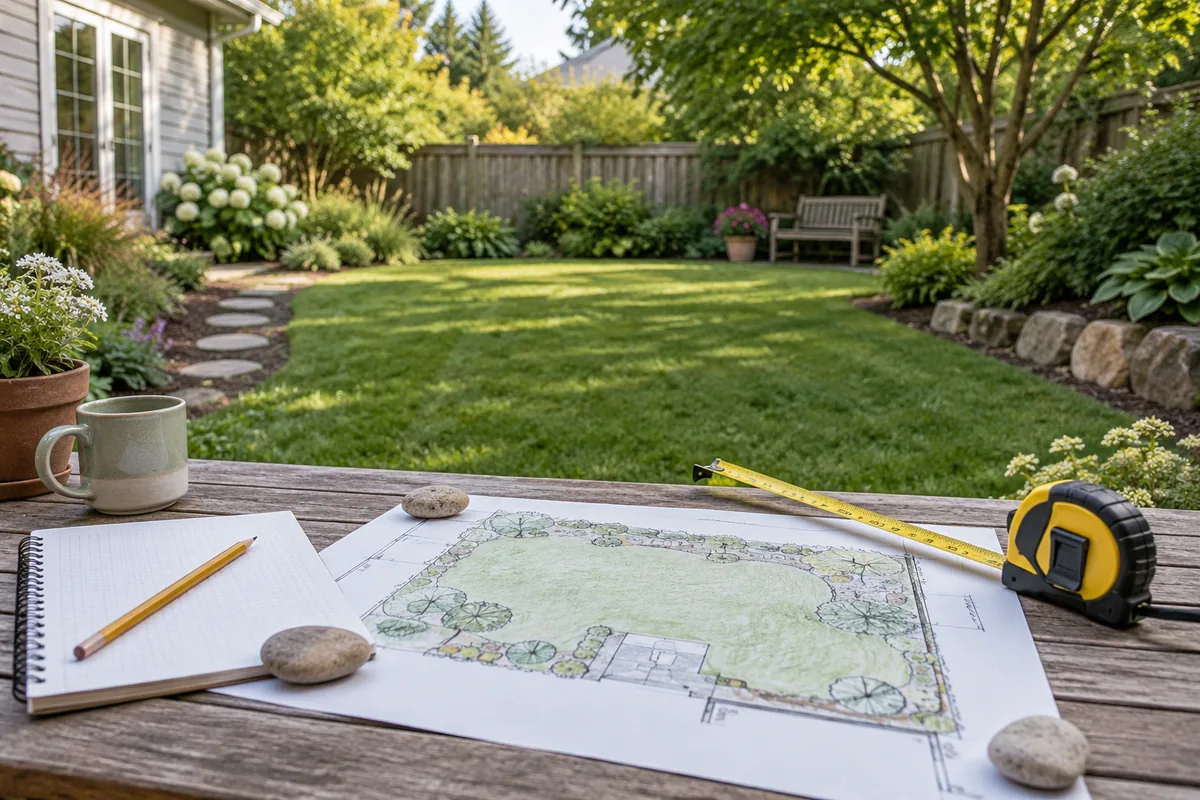
How to Measure Your Yard for Landscape Planning
Measure your yard for an initial planning sketch using clear reference points, recorded dimensions, and fixed-feature notes before seeking professional surveys.
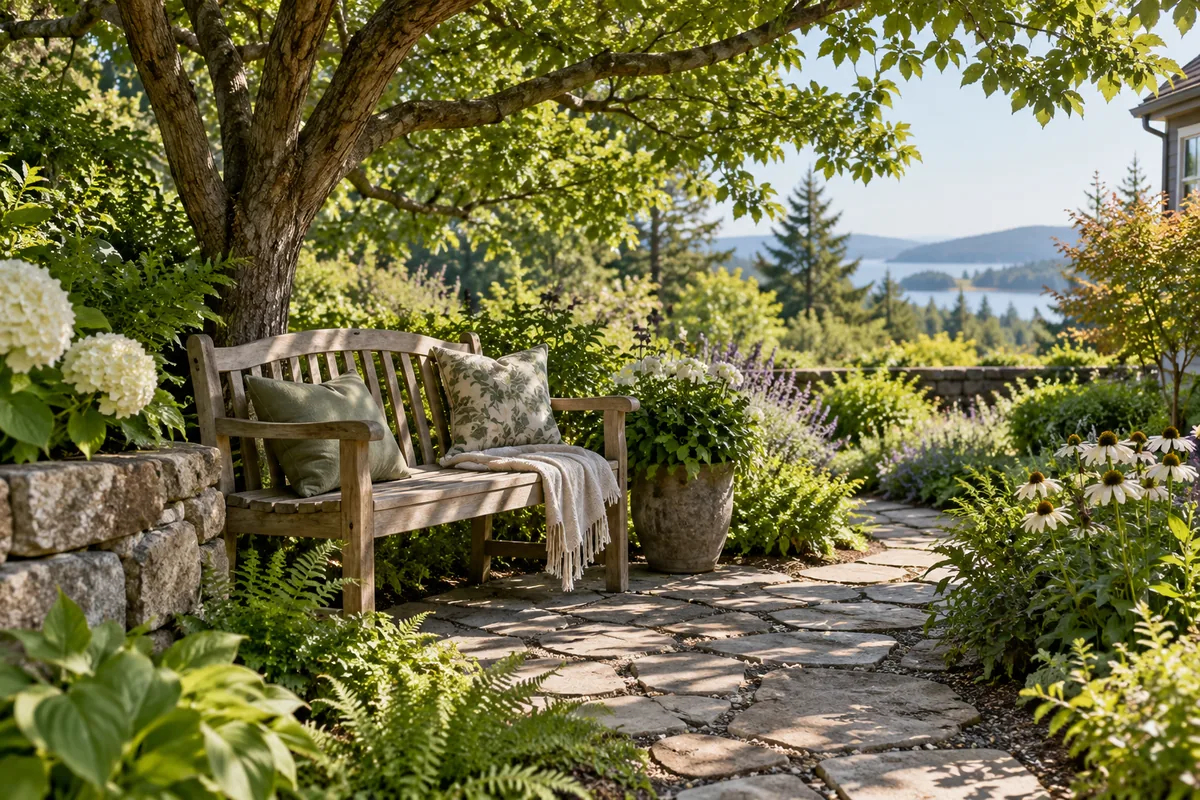
Garden Bench Ideas That Give People a Reason to Sit
Find garden bench ideas for shade, views, and everyday pauses, with practical guidance on seat fit, materials, access, maintenance, and stable placement.
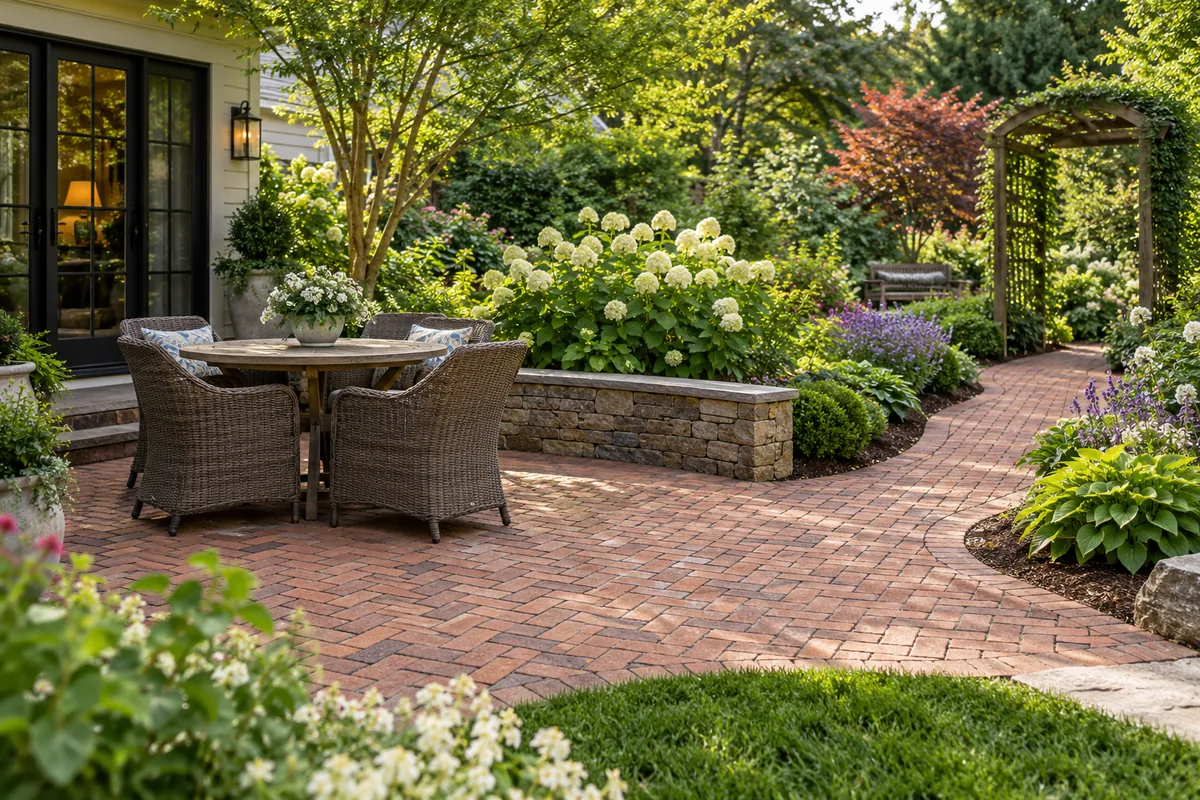
Brick Pavers for Useful Patios and Garden Paths
Brick Pavers for Patios and Paths: explore materials, placement, upkeep, and local safety questions before deciding how this feature fits your yard.
Outdoor Dining Set Ideas Based on the Occupied Table
Choose outdoor dining sets using table shape, real chair movement, serving routes, shade, material care, and the usable patio area rather than empty furniture.
Farmhouse landscape style: useful spaces and honest materials
Discover farmhouse landscape style through practical fences, productive beds, wood and stone, and useful outdoor spaces that support everyday garden routines.
Garden Fence Ideas for Privacy and Practical Use
Learn how garden fence ideas fit your yard, with practical material, placement, upkeep, and safety questions to review before choosing a visual direction.