
AI Landscape Design 团队撰写 · 编辑方针
Path Lighting Ideas Built Around the Walking Route
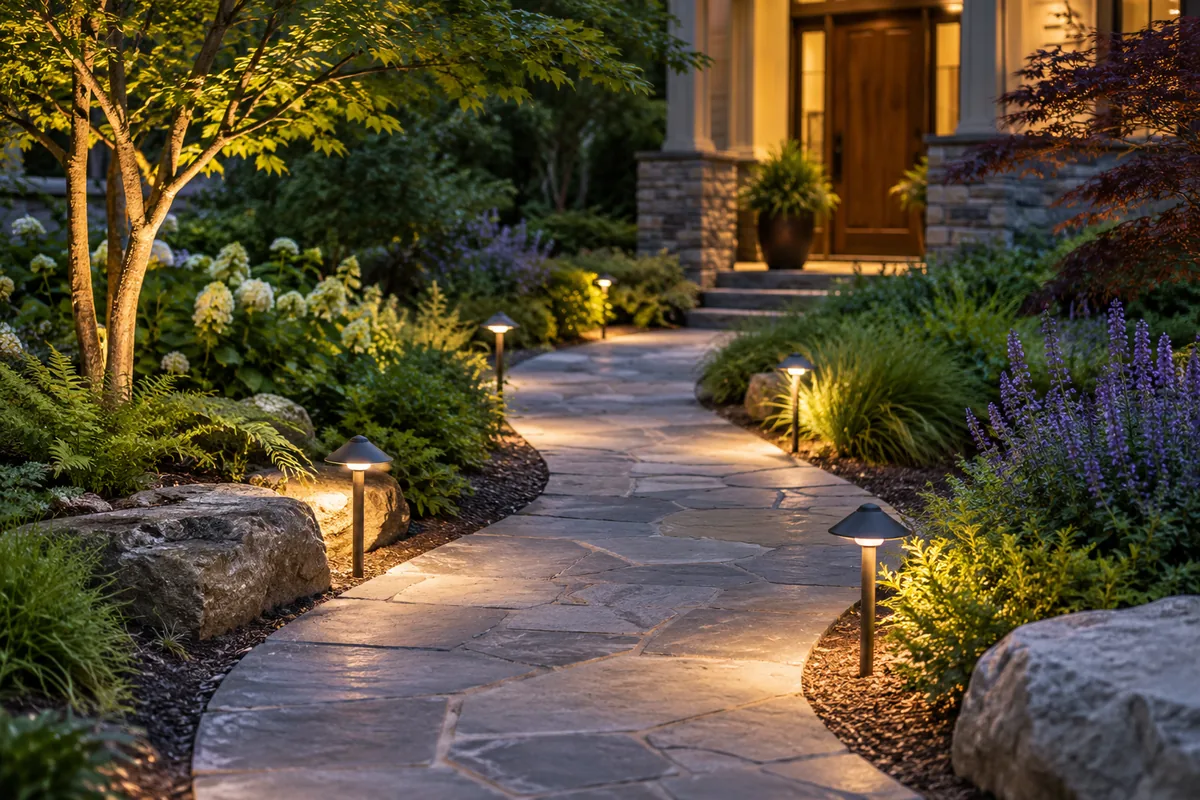
Path lighting ideas work best when the walking route determines the layout. Observe entrances, turns, surface changes, and obstacles before placing fixtures. Adjust spacing to the real light pattern and the users of the path, rather than following a decorative interval. Compare solar and wired products for local conditions, and have qualified professionals verify functional lighting and electrical installation where required.
发布日期 · 阅读约 6 分钟
要点
- Judge the walking surface rather than a row of glowing fittings.
- Test fixture output and glare before fixing a spacing pattern.
- Include seasonal exposure, plant growth, and service access.
Which parts of the route need assessment?
Start at the house and walk toward the destination after dark with appropriate care. Record door openings, turns, changes in surface, steps, and places where parked objects interrupt the route. Consider people carrying bags, supervising children, or using mobility equipment. A simple straight path and a route with level changes should not receive the same proposal merely because they are similar lengths.
Have relevant safety and accessibility needs assessed by qualified local professionals. Decorative fixtures alone do not establish suitable visibility or compliant access. Mark the positions from which people approach, including the return journey toward the house. A light that reads comfortably in one direction can be visible directly in the eyes when someone walks the other way.
How do fixture form and mounting affect the view?
A low bollard, a shielded stake fitting, and a wall-mounted downlight cast different patterns even when their products have similar descriptions. Look at where the illumination lands and whether the source is visible. The fixture height should serve the route and product instructions rather than a wish to repeat a decorative shape through the border.
Test from standing and seated positions where the route passes a terrace or window. A bright cap that attracts attention may conceal the surface relationship beneath it. Ask the installer about protection from gardening work and the stability of the chosen mounting. Avoid placing equipment where it narrows movement, catches a bag, or becomes difficult to inspect once plants mature.
What is a useful spacing rule of thumb?
Use the actual illuminated footprint as the starting comparison, then assess the spaces between fittings. Place demonstration fixtures along the intended route and inspect both bright areas and gaps. A fixed distance copied from another garden ignores product optics, surface reflectance, mounting height, and the route itself. Adjust the arrangement with the lighting professional before installation.
Closely repeated bright pools can produce a distracting runway effect without resolving visibility at a turn. Widely separated sources can also leave an important transition unclear. Decide the functional requirement first and test the whole sequence, including how a person approaches a step or gate. Record the selected product and orientation so the final installation does not substitute a fitting with a different light pattern.
When should solar and low-voltage options be compared?
Solar fittings depend on their charging exposure and product design. Observe shade from buildings and plants, seasonal daylight conditions, and where the panel actually receives light. A convenient stake location is not necessarily a useful charging position. Consider access for cleaning and battery or component replacement according to the manufacturer's instructions.
Low-voltage systems involve a complete power and wiring arrangement that needs appropriate electrical review. Do not infer that a lower operating voltage makes every DIY connection acceptable. Compare both options against the required function and local conditions, especially where reliable route lighting matters. Keep decorative flexibility separate from a promise that a product will provide adequate illumination every night throughout the year.
How can the fittings belong to the garden by day?
Choose a finish and profile that relate to the paving and nearby architecture. Modern front-yard ideas may suit a quiet fitting beside a clearly defined approach, while a cottage route can let planting soften the visible equipment without covering it. The fixture should not compete with every plant or become the primary daytime ornament.
Allow for mature foliage when setting equipment positions. Confirm USDA hardiness, regional conditions, growth habits, and invasive status for new planting rather than treating a lit border as an approved palette. Keep vegetation from hiding the intended light pattern, and preserve access for trimming and inspection. A fitting that is easily reached at installation can become inconvenient after the border fills out.
What costs continue after installation?
The comparison should include fittings, any power equipment, wiring, controls, installation, and restoration of disturbed areas. Ask how failed components are replaced and whether compatible parts are available. A series of inexpensive products can become awkward to maintain if each requires a different battery, connector, or operating method.
Discuss cleaning, weather exposure, movement of mounts, and checks after gardening work. Observe whether the chosen schedule wastes light when the route is unused. According to DarkSky International, useful lighting should also be directed, restrained in brightness, timed appropriately, and considered for color. These principles support the design discussion; they do not replace an assessment of the walking route or electrical requirements.
Which installation questions belong to professionals?
Ask a licensed electrician or appropriately qualified local installer to confirm the system, outdoor suitability, electrical connections, and applicable rules. They should coordinate proposed wiring with the site and any other professionals responsible for surfaces or structures. Keep operational equipment accessible without placing cables across the normal route.
Before excavating in the United States, use the 811 locating process and arrange any necessary private-service locating. Explain where existing irrigation, lighting, or other owner-installed services might lie. A drawing of fixture positions cannot identify buried conditions. Seek appropriate review for steps, ramps, and access changes rather than relying on additional lights to compensate for a physical route that needs repair or redesign.
How should you review the finished proposal?
Use garden path planning alongside outdoor lighting planning. Show the lighting professional a route map, photographs, and the conditions that concern you. Compare the complete approach from the gate and from the house, including the first and last transition between lit and unlit areas.
AILandscape offers photo-based visual concepts that can suggest how fittings relate to planting and paving. It cannot verify light levels, electrical details, accessibility, or nighttime visibility. Prefer a real on-site demonstration and professionally reviewed installation over reading performance from the generated image. The goal is a route people can understand comfortably, with a maintenance routine the household can actually keep up.
常见问题
How far apart should path lights be?
There is no useful universal interval for every product and route. Test the fixture footprint, mounting, surface, and approach directions on site. Have the functional requirement assessed and adjust the placement before installation rather than copying a spacing pattern from a photograph.
Will solar lights work under tree shade?
Charging performance depends on the actual exposure and selected product. Observe the panel location through seasonal conditions and review the manufacturer guidance. Do not assume decorative solar fittings provide reliable route lighting where shade or limited daylight may interfere with charging.
Should fixtures sit inside the planted border?
A border can help integrate equipment visually, but mature growth must not hide the intended pattern or prevent access. Plan trimming and servicing together. Check new plants locally, and position fixtures so they avoid routine gardening work and do not obstruct the walking route.
参考来源
相关阅读
How to Plan Outdoor Lighting Before Choosing Fixtures
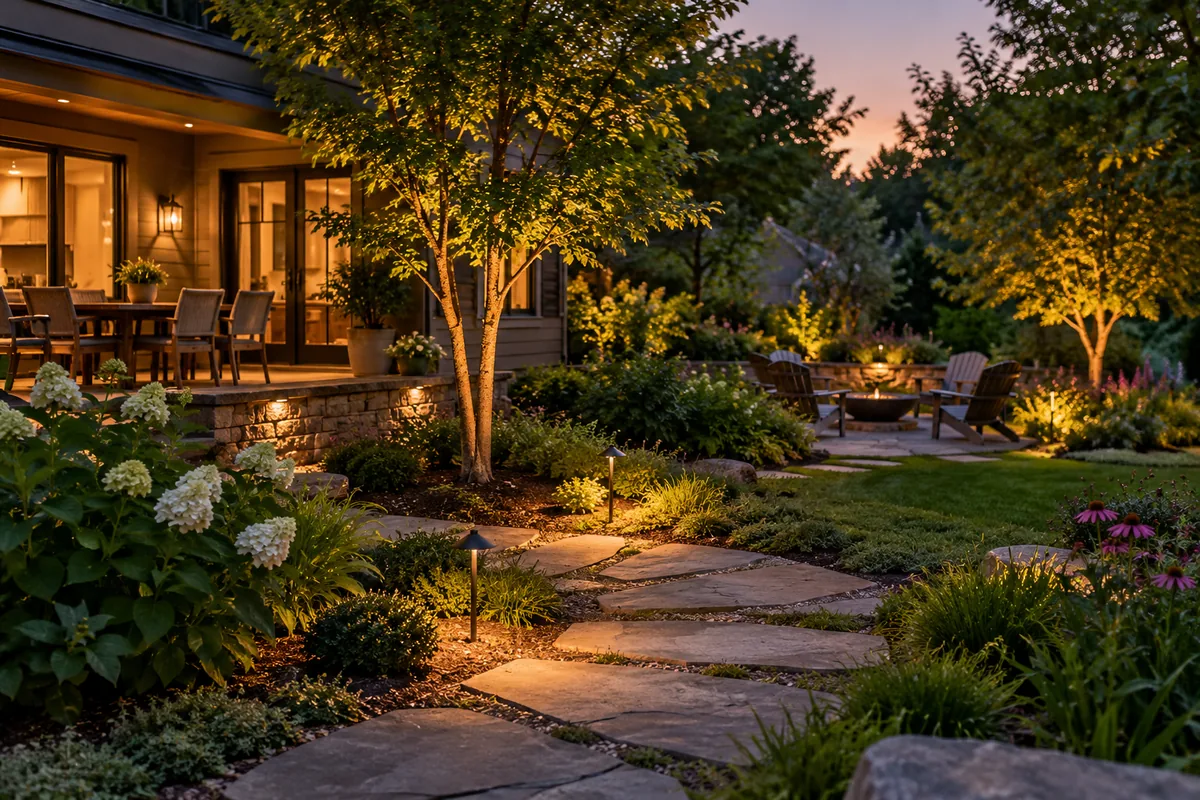
Plan outdoor lighting with a nighttime site review, clear task priorities, controlled views, and electrician input before choosing fixture locations or wiring.
How to Plan Garden Paths Around Real Movement
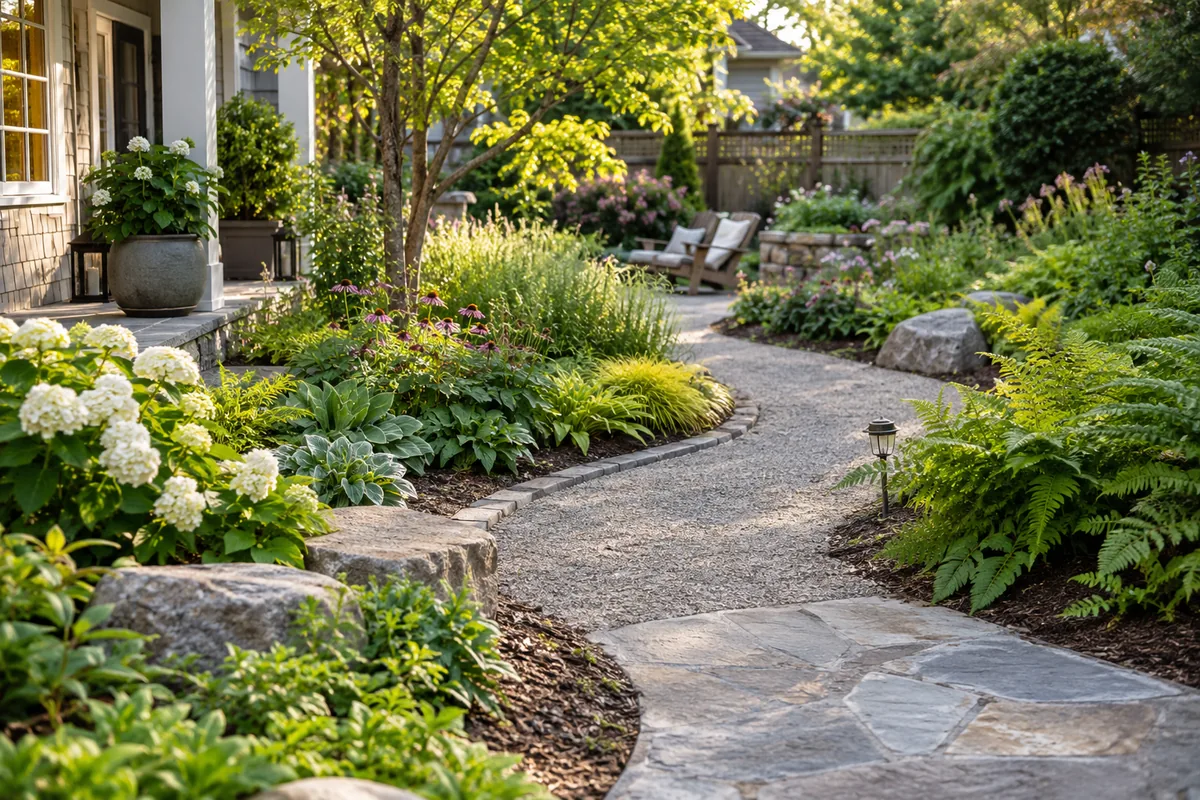
Plan garden paths with observed routes, tested circulation, practical surface choices, and professional drainage and lighting review before installation.
Landscape Accent Lighting That Respects the Night View
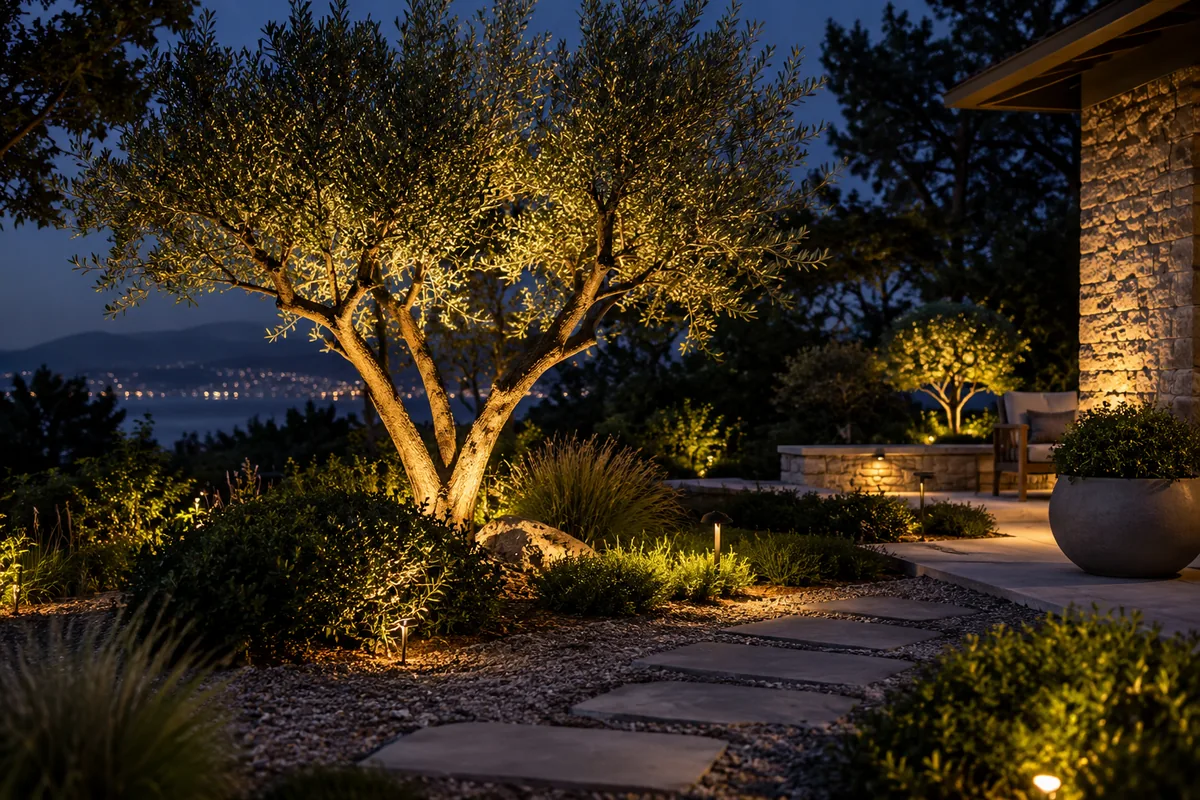
Plan landscape accent lighting around selected features, controlled glare, useful viewing positions, appropriate fixtures, and professional electrical review.

What Is Sightline in Landscape Design?
Learn what sightline means in landscape design, with a practical yard example, related terms, and the site decisions to check before making changes.
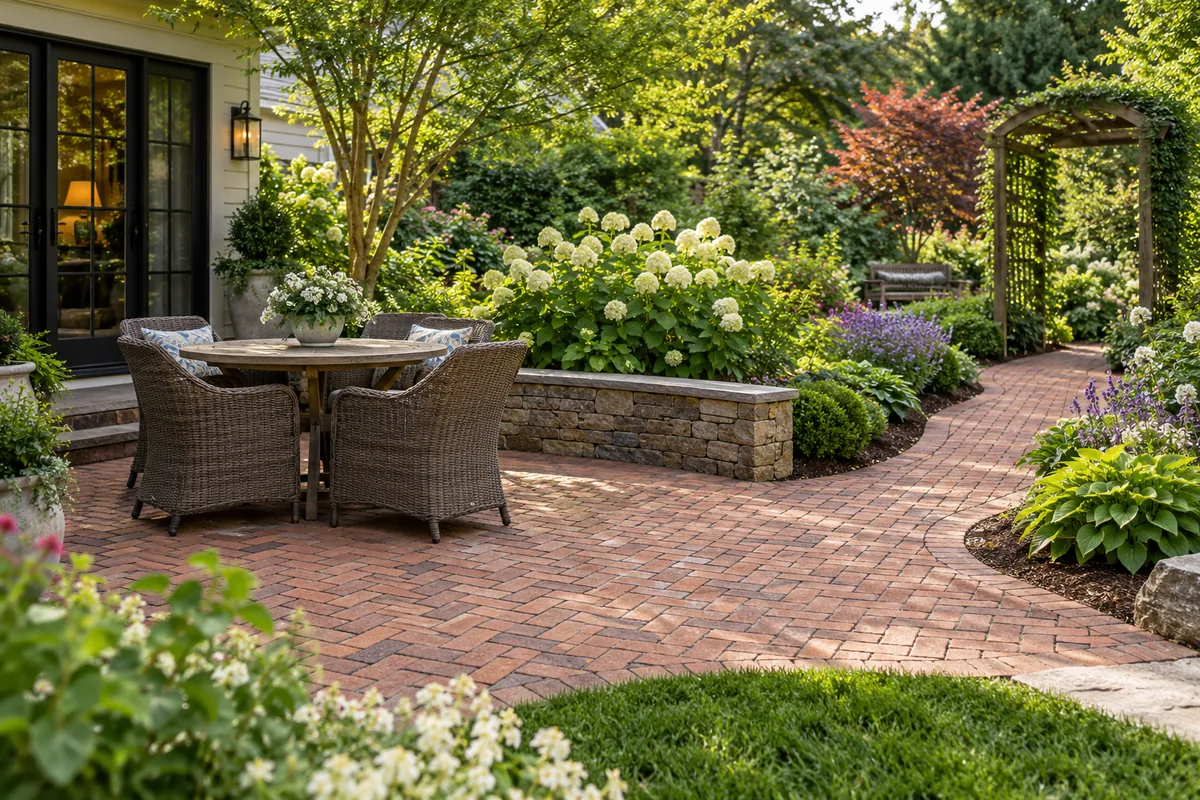
Brick Pavers for Useful Patios and Garden Paths
Brick Pavers for Patios and Paths: explore materials, placement, upkeep, and local safety questions before deciding how this feature fits your yard.
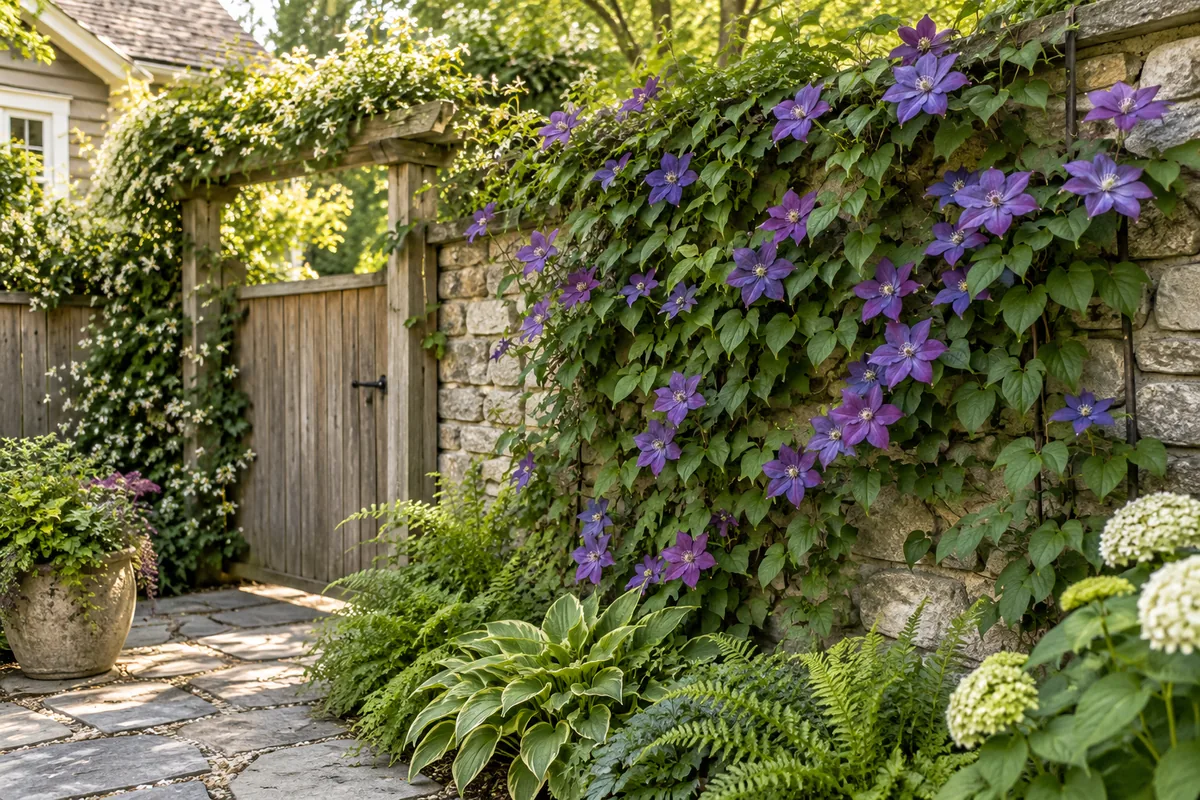
Climbing Vines for Fences and Walls with Suitable Supports
Climbing Vines: Support, Walls, and Local Fit: explore placement, upkeep, and local safety questions before deciding how this feature fits your yard.