
AI Landscape Design 团队撰写 · 编辑方针
Desert patio ideas that put shade and comfort around the seats
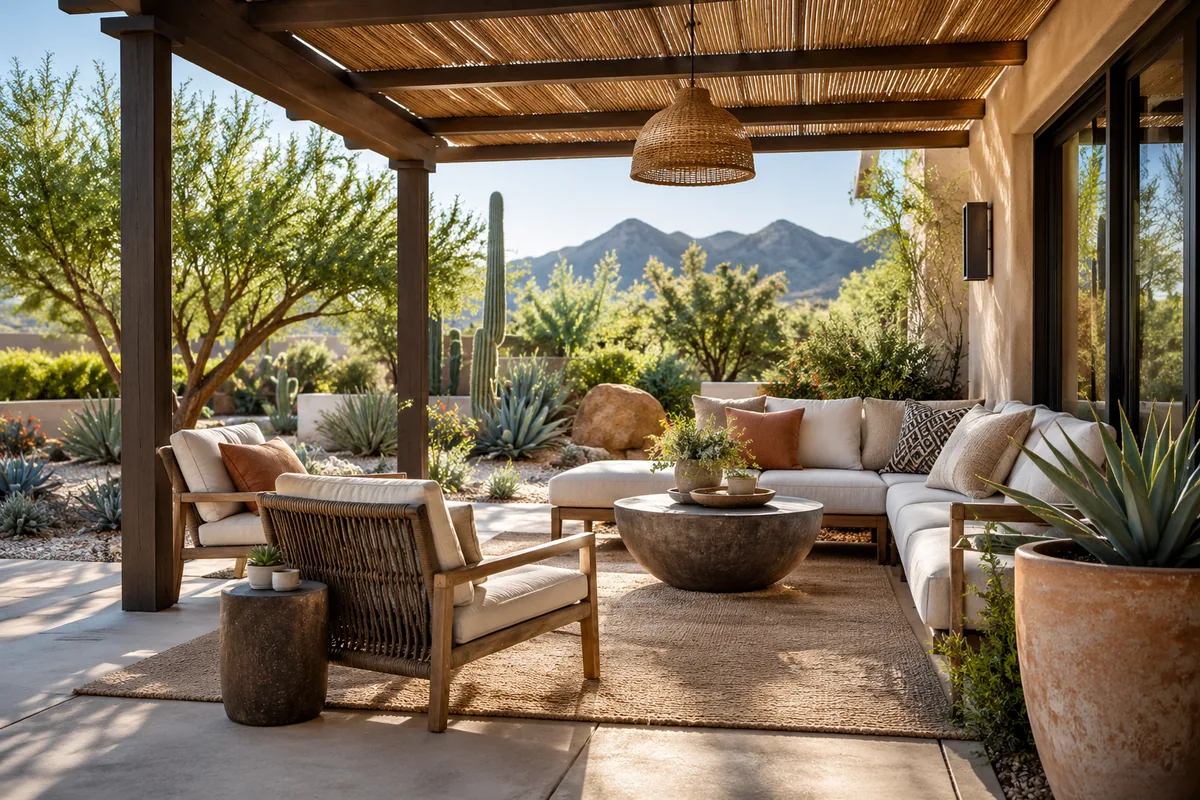
Desert patio ideas should prioritize shelter and comfortable occupied space before adding mineral finishes or sculptural plants. Keep sharp growth and loose material outside the route to chairs and doors, and assess glare at actual sitting times. The arid appearance can guide the palette, but it does not establish watering needs, plant suitability, structural capacity, or the terrace's response to heat.
发布日期 · 阅读约 6 分钟
要点
- Observe the patio during the hours it will be occupied.
- Keep sculptural growth safely outside furniture and circulation.
- Use mineral colors without assuming comfort or water savings.
Where will the household be comfortable when seated?
Put temporary chairs in the proposed positions and observe sun, reflected light, wind, and the connection to the house. A broad pale terrace can look calm while its actual exposure is unpleasant. Existing shelter may be more valuable than an uninterrupted surface pattern. Keep the occupied room and its route back inside in the layout from the beginning.
Review the sound existing materials before replacement. A desert interpretation can come from restrained plant forms and a suitable planted edge rather than covering the terrace in aggregate. Roof or balcony spaces require qualified structural and waterproofing review before heavy pots, stones, or shade fixtures are proposed. Structural capacity and local installation requirements are separate from the apparent scale or lightness shown in a concept.
Eight ways to make the arid-looking room comfortable
- Put the principal seat in useful shelter. Choose an existing protected position or a professionally reviewed shade strategy for the relevant hours. It suits a patio where exposure currently limits use. Test the view and the route as well as the shade. Removing shelter to simplify a mineral composition is a counterexample when it makes the seat less comfortable.
- Use a dependable furniture surface. Keep the table and chairs on an appropriate finish for the users and weather. This works where loose aggregate appears attractive but would complicate chair movement. Ask qualified professionals about grip, levels, water movement, repair, and edge details. Decorative mineral ground can remain outside the room without being assigned every practical surface role.
- Select quiet mineral color through real samples. A restrained stone or paver tone can connect the patio to the house. It fits a facade whose existing finishes already supply direction. Observe glare and wet appearance outdoors before choosing. Pale color is a visual reference rather than proof of thermal comfort, and a dramatic patterned finish may compete with sculptural planting.
- Position plant forms beyond occupied space. A locally verified upright, rounded, or low role can frame the room when mature growth fits. It suits a terrace with genuine room outside circulation. Keep spiny or rigid leaves away from chairs and doors. An impressive silhouette beside a seat is inappropriate if ordinary movement brings people into hazardous contact.
- Keep containers limited and stable. One useful planted group can provide emphasis where ground planting is unavailable. This works when care and access are planned. Verify planted weight, drainage, toxicity, mature form, and winter conditions. A desert-looking container is not automatically low-care, and elevated loading needs independent professional assessment before a heavy group is installed.
- Use ornamental gravel only where contained. A small viewed edge can support the mineral palette without reaching furniture feet or the main door. It fits a ground-level patio with manageable care access. Discuss debris and drainage locally. Loose material spread through the table footprint may look coherent but fail ordinary dining and cleaning, making it a clear unsuitable example.
- Choose shade hardware for actual conditions. An appropriate umbrella or reviewed structure can define the room without overwhelming it. It suits an exposed terrace genuinely used during warm hours. Wind, anchoring, foundations, supports, and any elevated conditions must be assessed by qualified professionals. A visual canopy concept does not establish useful protection or safe construction.
- Make night use practical before decorative. Light the path to the house and the necessary activity positions, then consider a restrained plant accent. This fits evening sitting or dining. Licensed professionals should review electrical work and requirements. Check glare from chairs and nearby windows, and keep fittings reachable rather than hiding service points behind a permanent stone arrangement.
Which local questions decide the palette?
Select real plants through regional advice on USDA hardiness zone, sunlight, soil, water, mature size, and invasive status. Cold or wet conditions can differ strongly from the arid reference. Screen pet-reachable plants through ASPCA toxicity information, and assess sharp growth and unstable objects around children separately. A visual form cannot establish a plant's identity or safe position.
The desert style guide separates appearance from xeriscaping, while stone paver considerations support surface review. Have licensed local experts assess drainage, levels, foundations, structures, electricity, gas, elevated loading, and waterproofing. Contact 811 before excavation in the United States and use private locating where applicable. Do not infer dimensions, watering performance, or structural capacity from the terrace image. Actual site findings should determine which mineral treatment is practical.
How do you maintain the comfort and open character?
Keep the door route clear, inspect migrated aggregate, and monitor plant growth beside chairs. Make watering and debris removal possible without shifting heavy ornaments. Revisit shade as seasons change and store movable fixtures according to real products and conditions. A sparse-looking arrangement can still involve substantial care, so evaluate the work before increasing containers or mineral edges.
AILandscape's patio tool can compare desert visual concepts using your own photo. Discuss shelter, furniture, and plant silhouettes with the image, then verify measurements, species, water movement, structural conditions, and construction locally. It is an appearance exploration, not evidence of comfortable temperatures or reduced watering. Revise any concept that removes useful shade or places sharp growth beside a seat. The arid palette should support an ordinary comfortable room rather than substitute for it.
常见问题
Can a desert patio use comfortable upholstered furniture?
Choose furniture for actual outdoor conditions, comfort, and maintenance rather than a fixed visual stereotype. Keep its footprint and storage needs practical. The desert character can come from a restrained mineral palette and suitable plant forms around the room.
Is a large gravel area necessary?
A contained mineral edge may provide the reference without occupying furniture or the main route. Assess glare, debris, access, and water movement before expanding it. Loose aggregate is optional and should not become the default surface simply because the intended style is arid.
Do desert-looking pots need little watering?
Actual plants, containers, soil, exposure, establishment, and weather determine care. The appearance does not establish demand. Verify candidates and container conditions through regional advice, then plan watering independently of the visual palette or amount of stone around the room.
参考来源
相关阅读
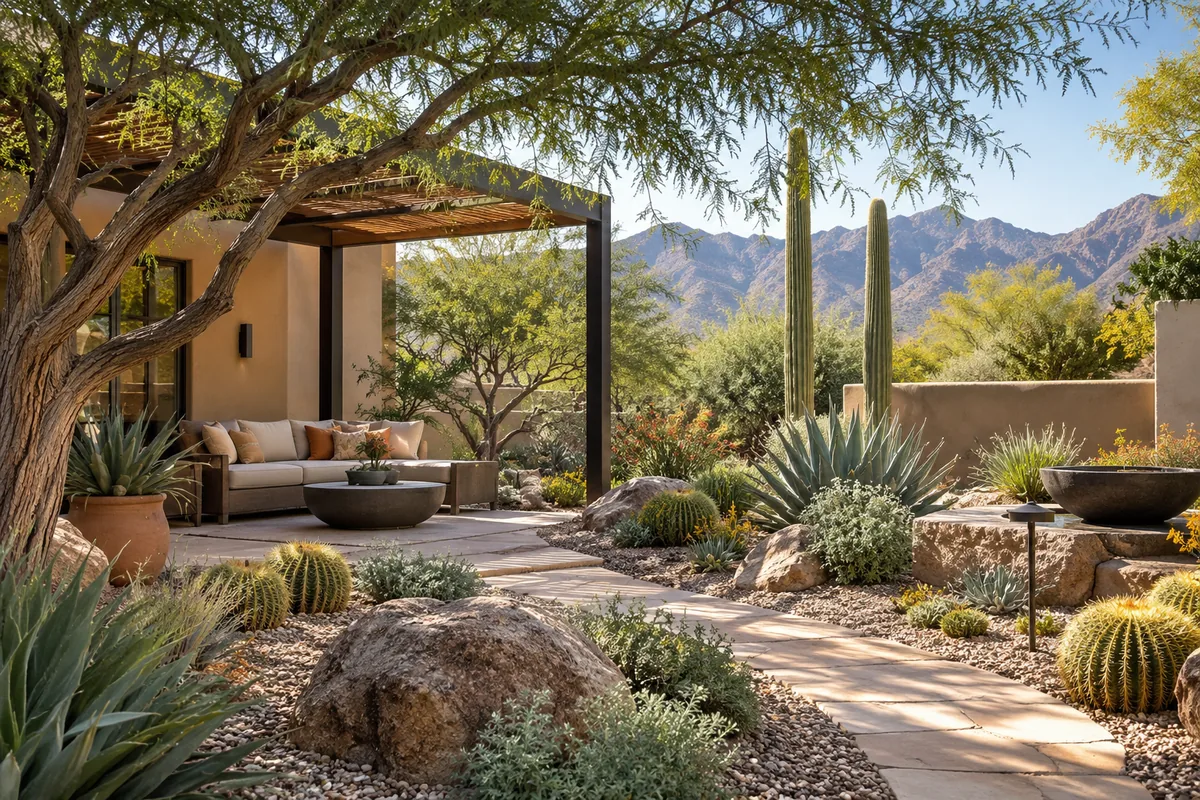
Desert landscape style: shade, stone, and plant form
Understand desert landscape style through plant form, mineral surfaces, useful shade, and heat-aware layouts, while separating its appearance from xeriscaping.
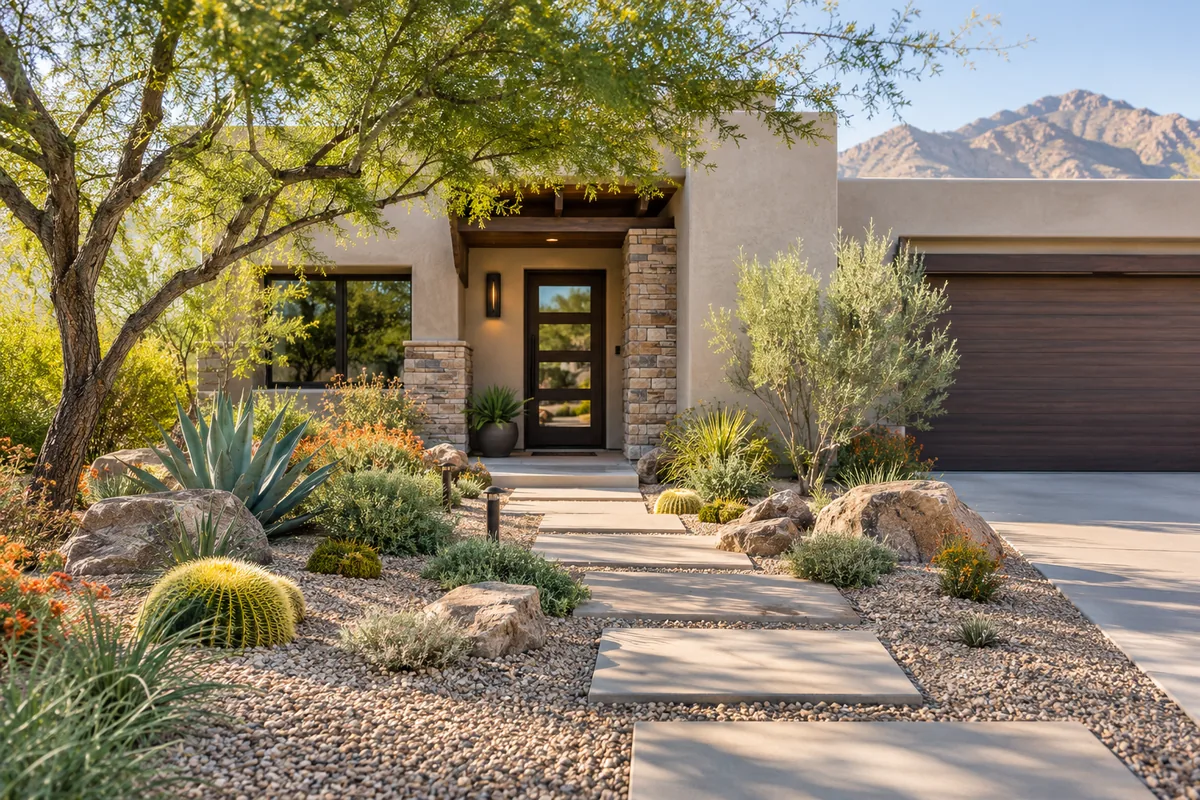
Desert front yard ideas for a comfortable, readable arrival
Explore desert front yard ideas with useful shade, sculptural plants, mineral surfaces, visible addresses, and safe access beside driveways and doors.
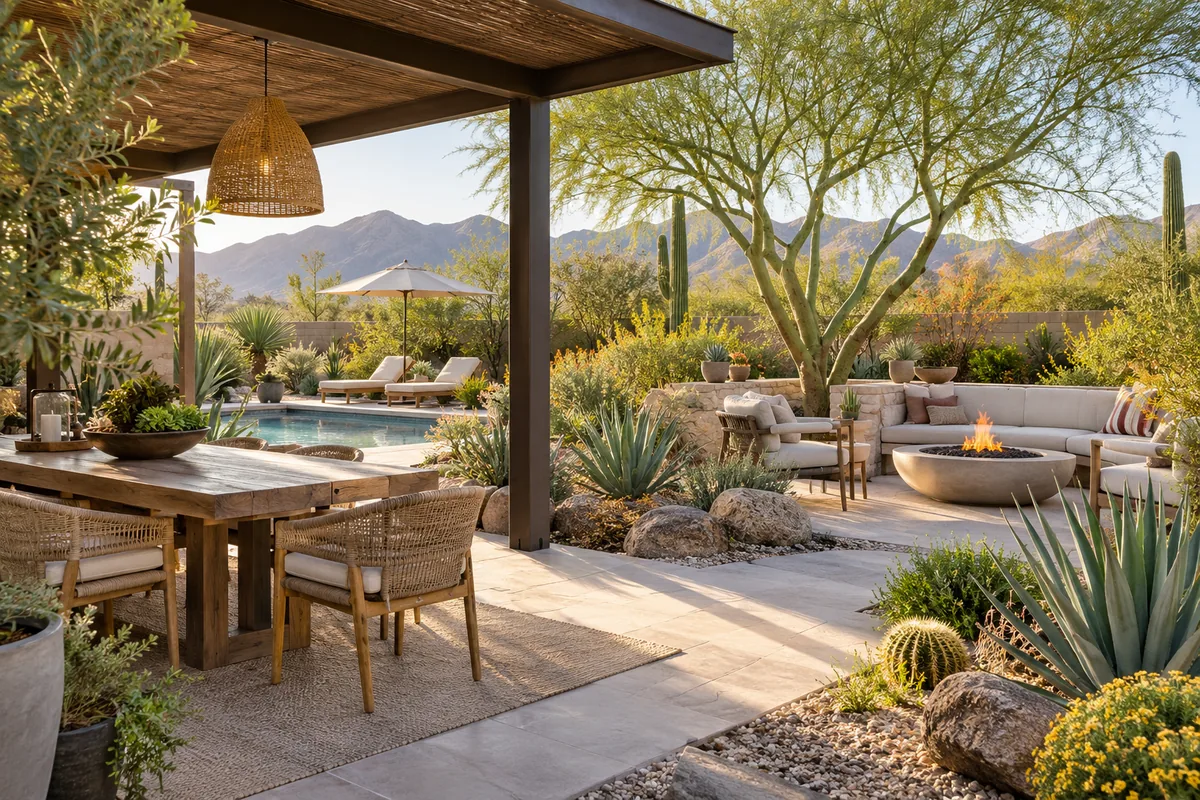
Desert backyard ideas that make room for comfortable living
Explore desert backyard ideas for useful shade, open plant forms, mineral surfaces, flexible activity space, and practical care around seats and dining areas.
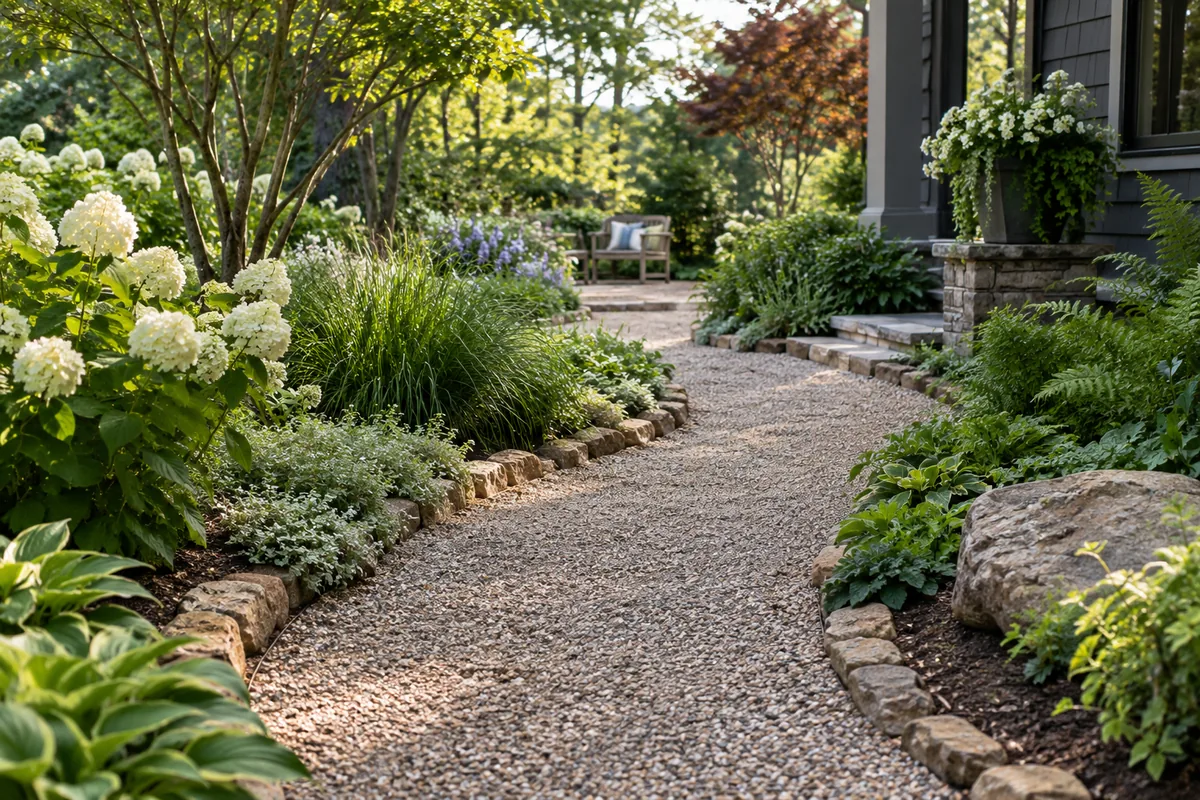
Gravel Paths That Fit Real Garden Movement
Learn how gravel path ideas fit your yard, with practical material, placement, upkeep, and safety questions to review before choosing a visual direction.
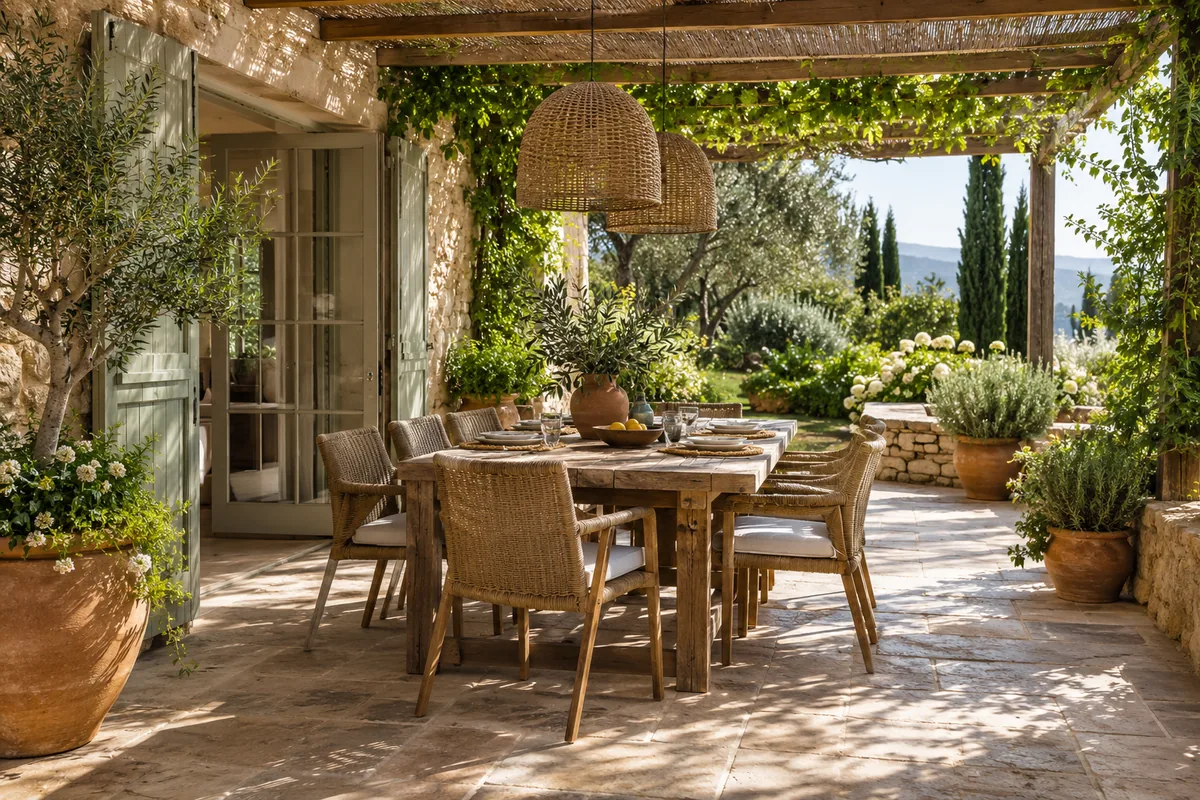
Mediterranean patio ideas for shaded meals and warm materials
Find Mediterranean patio ideas for clay pots, quiet stone colors, useful shade, comfortable dining, and locally suitable container planting around the room.
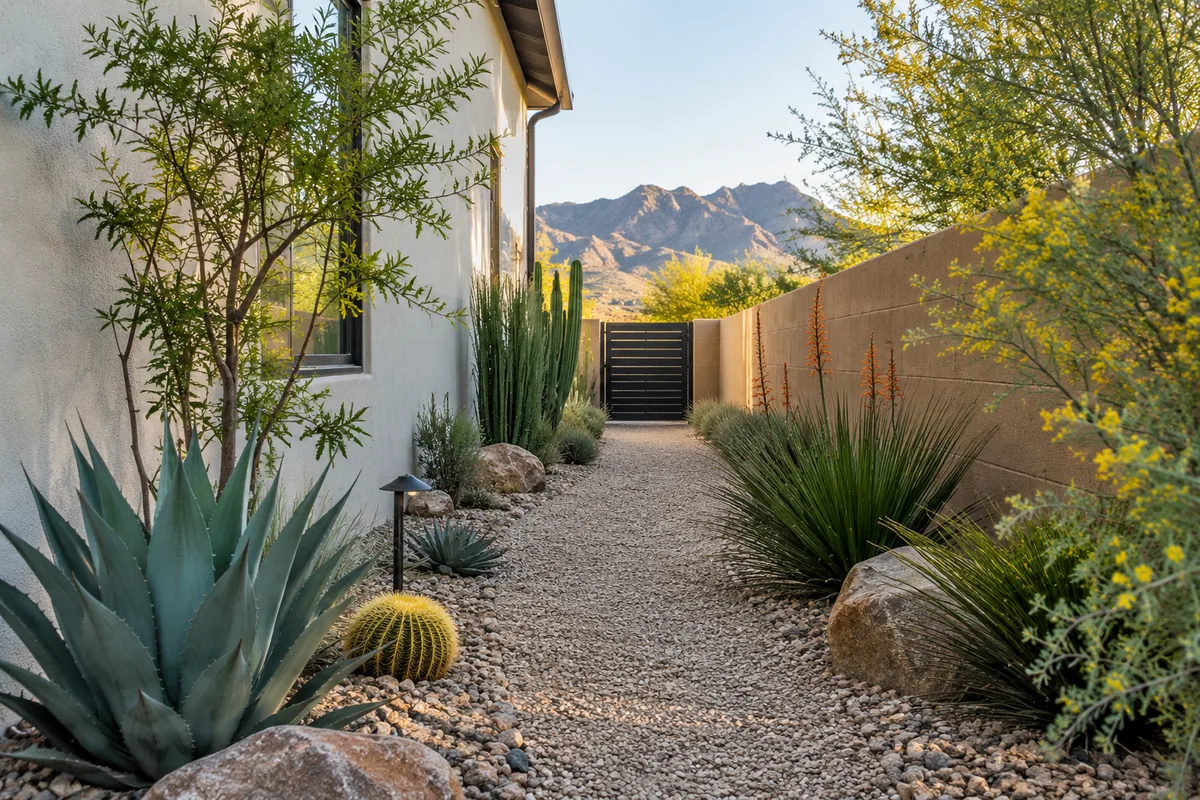
Desert side yard ideas for clear access and plant silhouettes
Explore desert side yard ideas for contained mineral edges, suitable plant forms, useful shade, reachable equipment, and a dependable working passage.