
AI Landscape Design 团队撰写 · 编辑方针
Gravel Paths That Fit Real Garden Movement
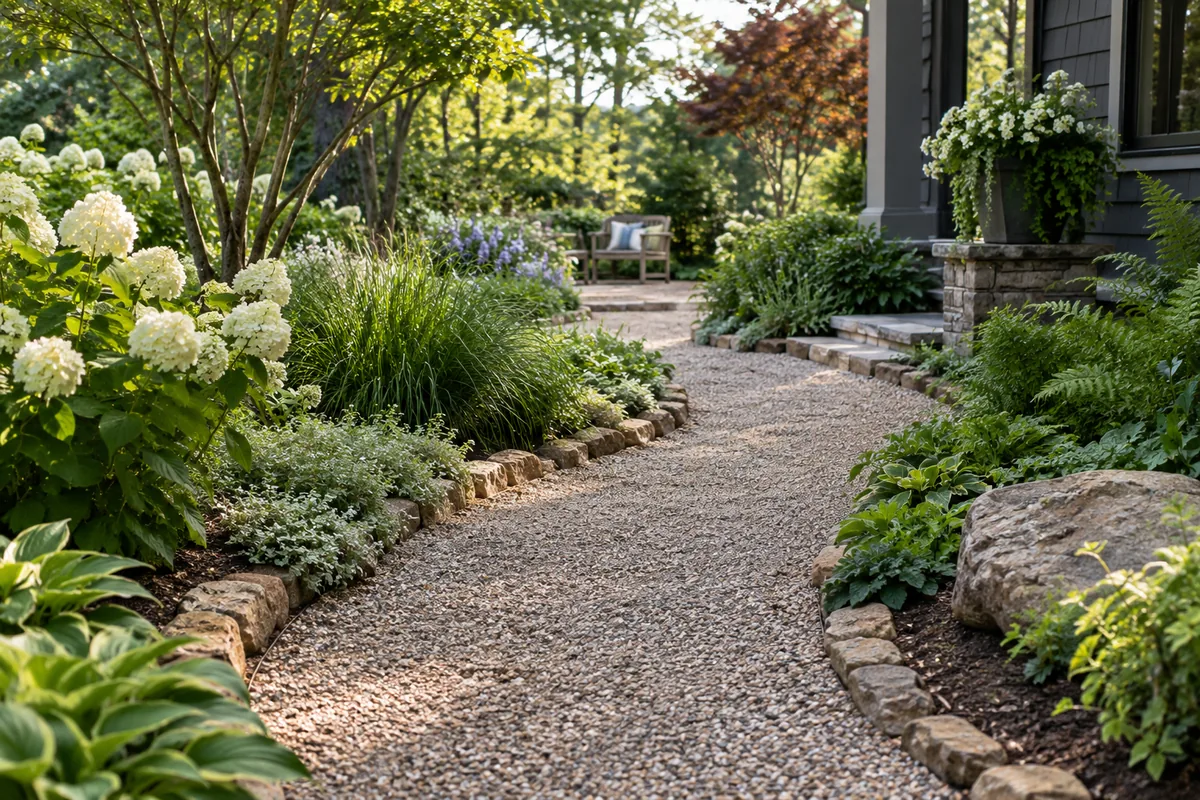
A gravel path uses aggregate as a walking surface, with its behavior shaped by the selected material and complete installation. Useful ideas start with where people need to go, then address stability, containment, water movement, and maintenance. Loose pea gravel, crushed aggregate, and bound or stabilized systems are different options; none should be assumed to meet every accessibility need from appearance alone.
发布日期 · 阅读约 6 分钟
要点
- Assign gravel to a use it can actually support.
- Containment and maintenance should be planned with the route.
- Assess essential access and water behavior with qualified local advice.
Which gravel character fits the route?
Rounded loose aggregate and angular crushed material can behave differently under use, while bound or stabilized systems introduce other product and installation requirements. Specify the actual surface rather than using gravel as if it were one interchangeable material. Ask the supplier to explain the intended application and maintenance guidance. A visually soft path through planting may be appropriate for occasional use but inconvenient for a daily service route. The same color can appear in products with different stability. Begin with movement and footwear, then compare texture and tone. A photograph of a tidy aggregate field cannot show how it will respond to wheels, chair legs, or repeated turning.
Where should the path lead?
Connect actual destinations: the door, gate, storage, garden bed, or seat. A curve should resolve an existing feature or reveal a useful view rather than lengthen the route simply to look informal. Walk it with the equipment normally carried through the garden. Consider where another person passes and where material might be tracked onto paving or indoors. Use measured site information and relevant requirements to determine clearances. The gravel route should remain legible when surrounding planting reaches mature size. An attractive line through a border loses value if the household creates a shorter informal track because the designed journey is unnecessarily awkward.
What are the accessibility limitations?
Loose material can resist wheels or move beneath narrow feet, depending on aggregate and installation. Essential routes used by wheelchairs, strollers, mobility aids, or people with particular footing needs require qualified local assessment. Do not classify every gravel system as accessible or inaccessible without reviewing the actual proposal. A stable continuous route may be more suitable where reliability is essential. Gravel can still have a supporting role beside it. Consider the surface wet and after use, not only immediately after raking. The goal is dependable movement for the actual users rather than a visual promise that a path looks inviting from a distance.
How should edging be chosen?
Edges help define the route and contain aggregate, but their height, stability, and connection with adjacent surfaces matter. Ask how the material will be kept from moving into lawn, beds, or a doorway. Metal, timber, stone, or another edge should suit the use and local exposure rather than merely matching a style. Check how a wheelbarrow or garden tool crosses the edge and whether it becomes a trip concern. Keep access for repairs without burying the boundary beneath mature growth. A slim line in an image can conceal quite different construction requirements. Choose containment as a working component of the path, not a decorative afterthought.
What is the role of the base and fabric?
The support beneath the aggregate and any separation or fabric layer should be selected for the actual ground and system. Fabric is not a universal shortcut to weed-free or well-drained paving. Ask a qualified installer what it is intended to do and how future repairs or planting changes would be handled. According to the Royal Horticultural Society, permeable surfaces can contribute to water-conscious garden design, but actual performance depends on the installation and site. Licensed local professionals should review drainage or grade changes. Contact 811 before excavation in the United States and clarify private-service locating before disturbing the route.
Which styles benefit from gravel?
Gravel can provide a quiet field beside a Zen composition, a practical secondary route in a cottage garden, or an open texture in desert-inspired planting. The material role should remain appropriate to the use. A desert appearance is not proof of water efficiency, and a cottage reference does not establish plant suitability. Check USDA hardiness zone, soil, light, mature size, and local invasive information before selecting planting. Keep vegetation clear enough to inspect and maintain the route. A restrained palette can connect several destinations without adding many unrelated paving patterns. Visual softness is useful when it does not create unnecessary friction in everyday movement.
What maintenance and cost should be expected?
Leaves, seeds, and debris can accumulate in aggregate, and some installations need redistribution or replenishment. A path beneath leaf-dropping plants may require more attention than an open one. Plan the tools and access needed to clear it without constantly moving the surface. Relative costs depend on delivery, preparation, containment, product, disposal, and labor. Compare a complete specified path with equivalent alternatives rather than a casual layer of gravel with professionally prepared paving. A lower initial material cost is not a saving if the route fails its intended use. Keep the future handling requirements visible in the decision so gravel is chosen deliberately.
How can concepts support a practical choice?
Compare the gravel route with a stable paving version while keeping destinations and planting positions the same. AILandscape can provide visual yard concepts, but it does not verify aggregate stability, accessibility, drainage, plant suitability, or construction details. Use the image to ask where informal texture improves the garden and where movement needs a different surface. Then review actual products and local requirements with the appropriate professional. If gravel fits only part of the journey, use it there rather than forcing it across every route. A successful idea balances its visual character with containment, realistic upkeep, and a dependable way to get where the household needs to go.
常见问题
Is pea gravel the same as crushed gravel?
No. Rounded and angular aggregates can differ in appearance and behavior, and the installed system also matters. Specify the actual product and use. Do not choose from color alone or assume every material sold as gravel provides the same stability.
Will landscape fabric eliminate weeds?
Do not expect it to eliminate every weed. Seeds and debris can accumulate above the layer, and the appropriate use of fabric depends on the system. Ask what role it serves and plan continued inspection and maintenance.
Can I use gravel beside a paved route?
Yes, when each surface has a clear function and the transition is suitably designed. Keep the necessary route dependable and contain loose material so it does not migrate onto the paving. Review levels, edging, and access needs at the actual site.
参考来源
相关阅读
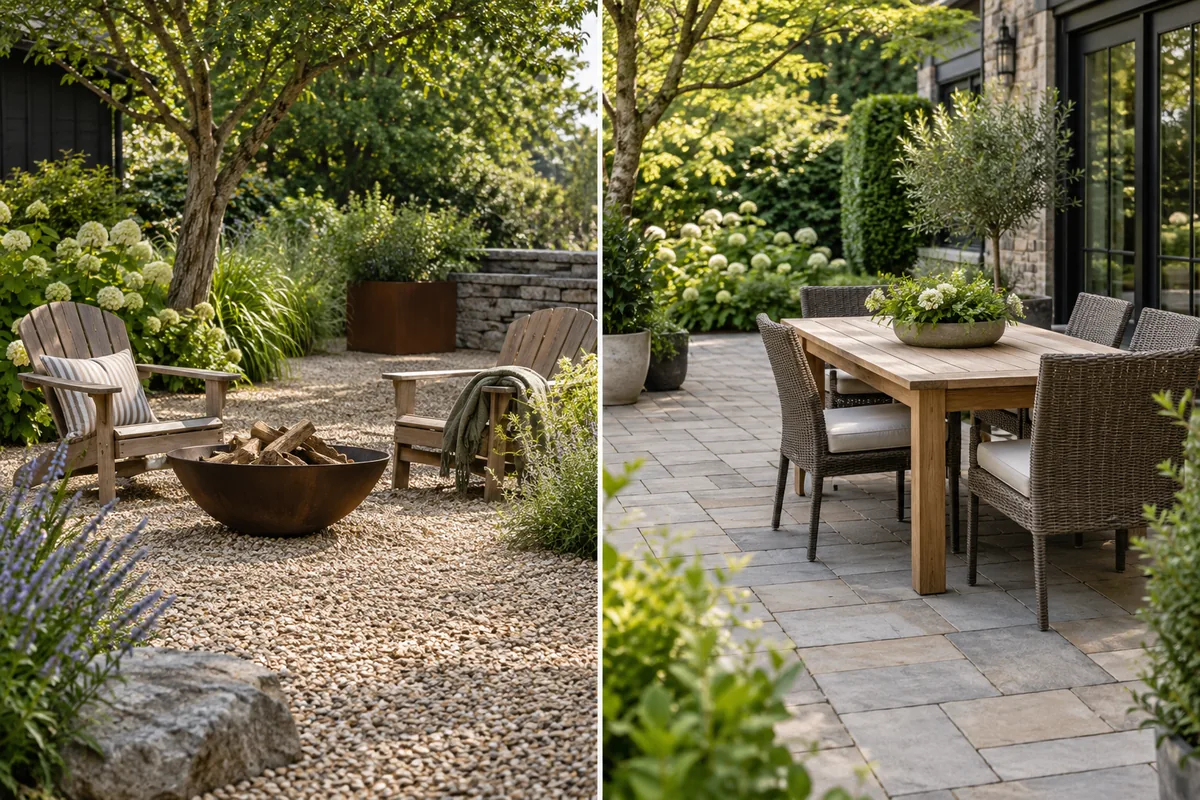
Gravel surfaces vs Paver surfaces: Which Fits Your Yard?
Compare gravel surfaces and paver surfaces for your yard. Review layout, materials, upkeep, and practical trade-offs before choosing a direction.
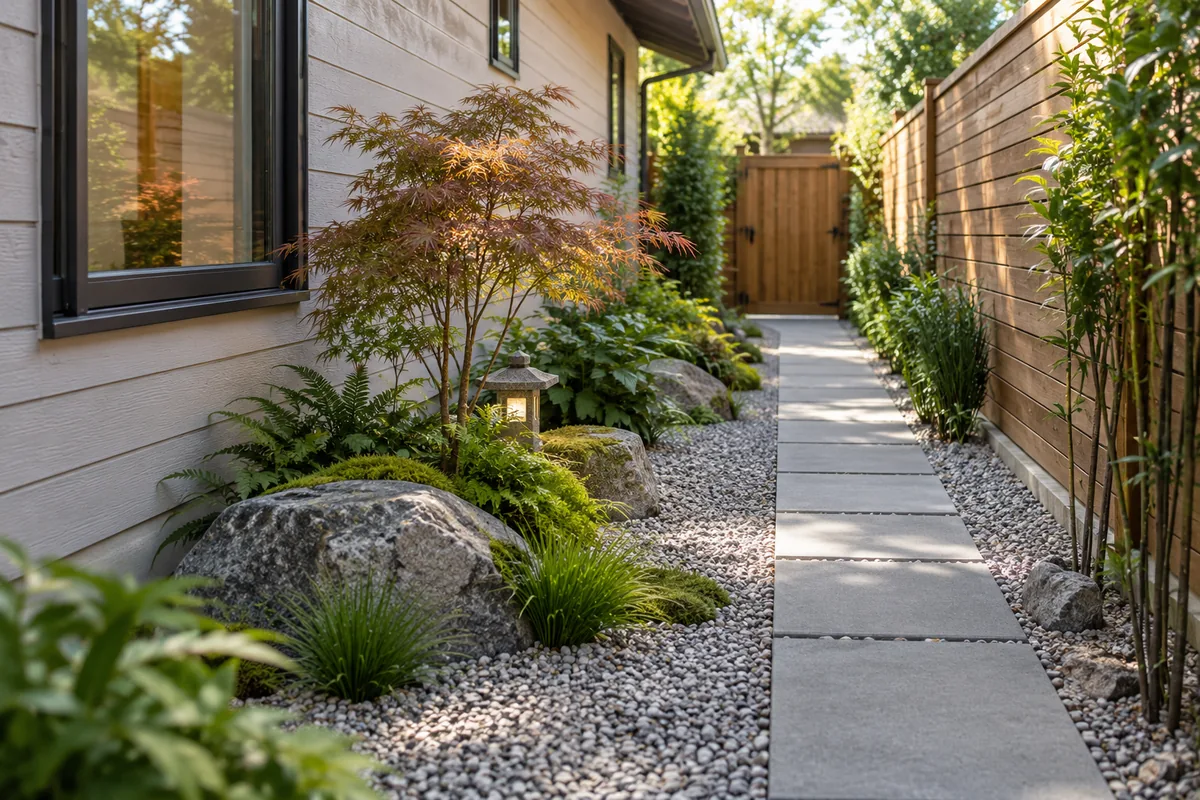
Zen side yard ideas for a viewed composition beside the route
Explore zen side yard ideas for a deliberate window view, contained gravel, quiet planting, and composed stones placed beside essential service circulation.
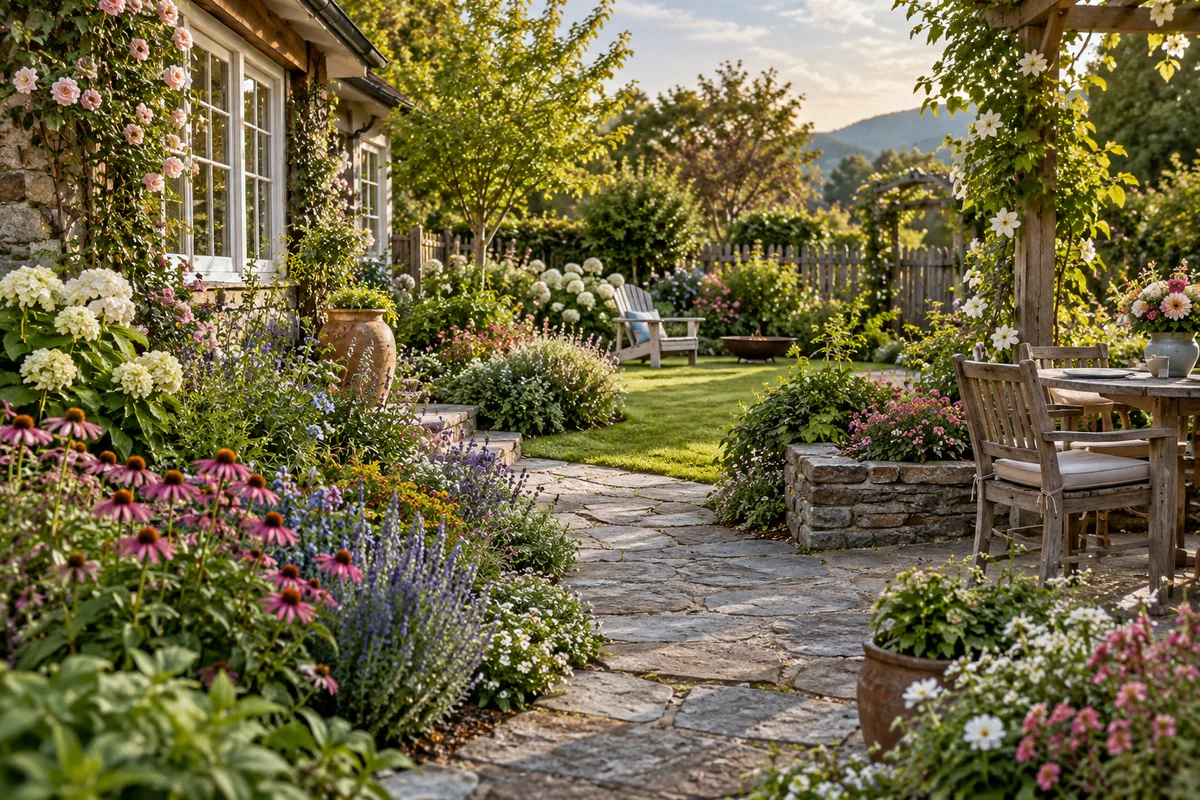
Cottage backyard ideas for flowers, seats, and seasonal life
Explore cottage backyard ideas for layered flowers, comfortable seats, connected borders, productive corners, and practical access through seasonal planting.
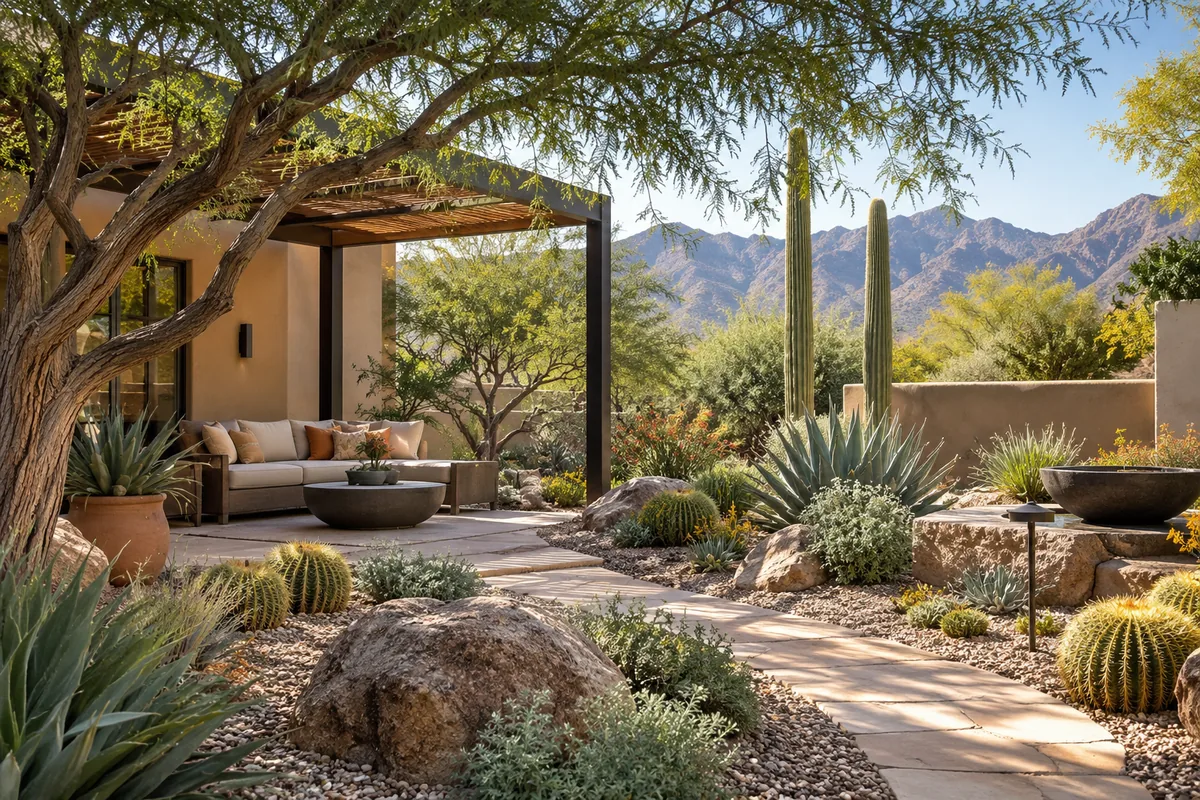
Desert landscape style: shade, stone, and plant form
Understand desert landscape style through plant form, mineral surfaces, useful shade, and heat-aware layouts, while separating its appearance from xeriscaping.
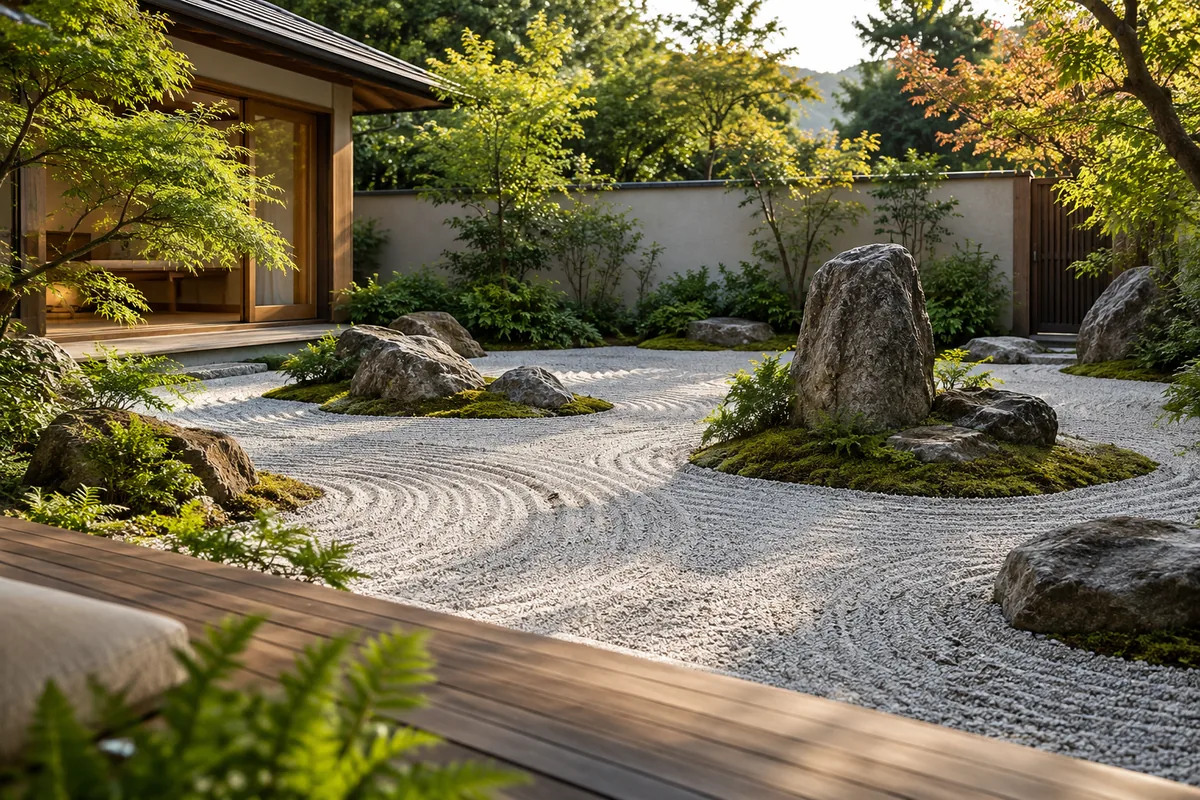
Zen garden style: stones, gravel, and deliberate space
Learn how zen garden style uses composed stones, raked gravel, restrained planting, and a chosen viewpoint, with practical limits for residential gardens.
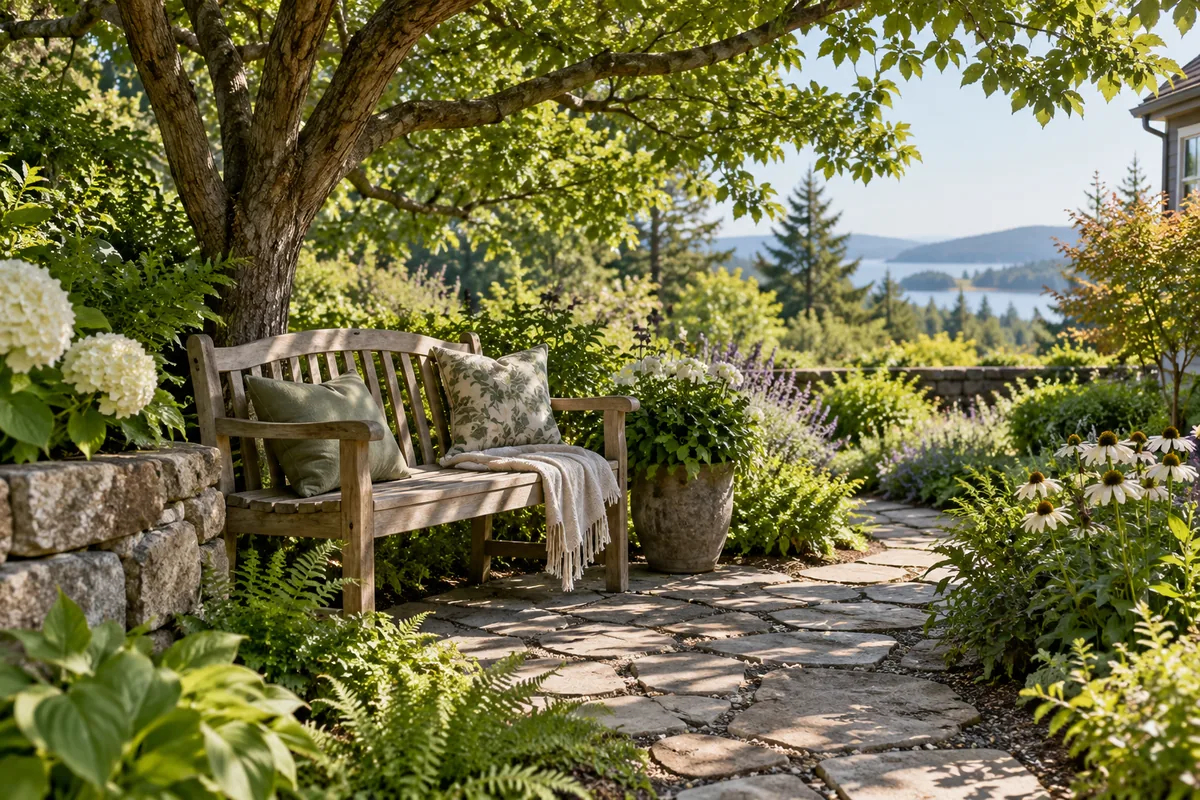
Garden Bench Ideas That Give People a Reason to Sit
Find garden bench ideas for shade, views, and everyday pauses, with practical guidance on seat fit, materials, access, maintenance, and stable placement.