
AI Landscape Design 团队撰写 · 编辑方针
What Is Rain Garden in Landscape Design?
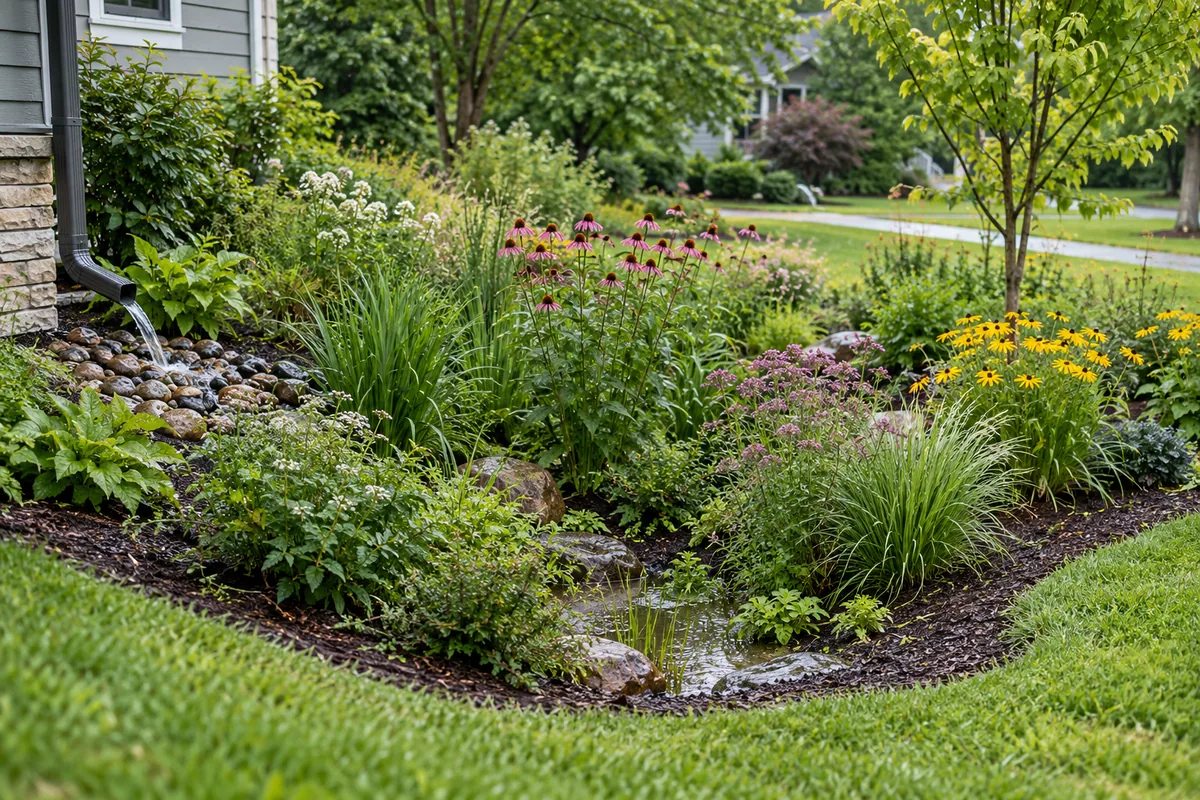
A rain garden is a planted depression intended to collect stormwater temporarily and support its movement into the soil or return to the atmosphere through planting and evaporation. The idea differs from a permanent pond. Its location, capacity, and planting depend on the water source and site conditions. An attractive wet-looking bed in an illustration is not evidence that a rain garden will function appropriately in a particular yard.
发布日期 · 阅读约 2 分钟
要点
- Rain gardens collect stormwater temporarily.
- Assess site conditions before choosing plants.
- Building relationships require professional review.
How is rain garden used in landscape design?
A rain garden begins with site assessment, not a decorative plant list. Qualified local advice is needed to evaluate soil, water sources, available space, levels, and nearby structures. This glossary does not specify drainage times, excavation depths, or sizing formulas. Confirm USDA hardiness and actual moisture conditions before selecting plants, and review local invasive status rather than assuming all water-associated plants are appropriate.
What does rain garden look like in a yard?
In a front yard, a concept may show a planted depression near an existing surface where rain collects. The actual destination and behavior of that water must be established before work. Keep access and building conditions in view. Use the 811 process before digging in the United States, and ask about separate private-service locating requirements at the site.
Which terms help explain rain garden?
A swale may organize water movement, while grading changes ground levels. Soil amendment describes changing soil properties, not a drainage solution by itself. An AI concept can explore how planting might fit visually; drainage function, dimensions, species, and installation need independent professional confirmation rather than interpretation from the image.
常见问题
Is a rain garden a pond?
A rain garden is intended for temporary stormwater collection, not simply permanent open water. Its behavior depends on the site and design. A professional should assess the relevant conditions before an existing wet area is treated as a suitable rain garden location.
Can any moisture-loving plant go in a rain garden?
A rain garden can experience changing conditions rather than remaining continuously wet. Confirm the expected conditions and local suitability before choosing plants. Cold tolerance, invasive status, and pet toxicity still need separate review where they are relevant.
Can a rain garden be installed beside a house?
Placement near a building introduces drainage and moisture questions that require site-specific professional guidance. Do not use this definition as a setback rule or installation recipe. Assess the water source, ground levels, soil, and safe destination before making changes.
参考来源
相关阅读
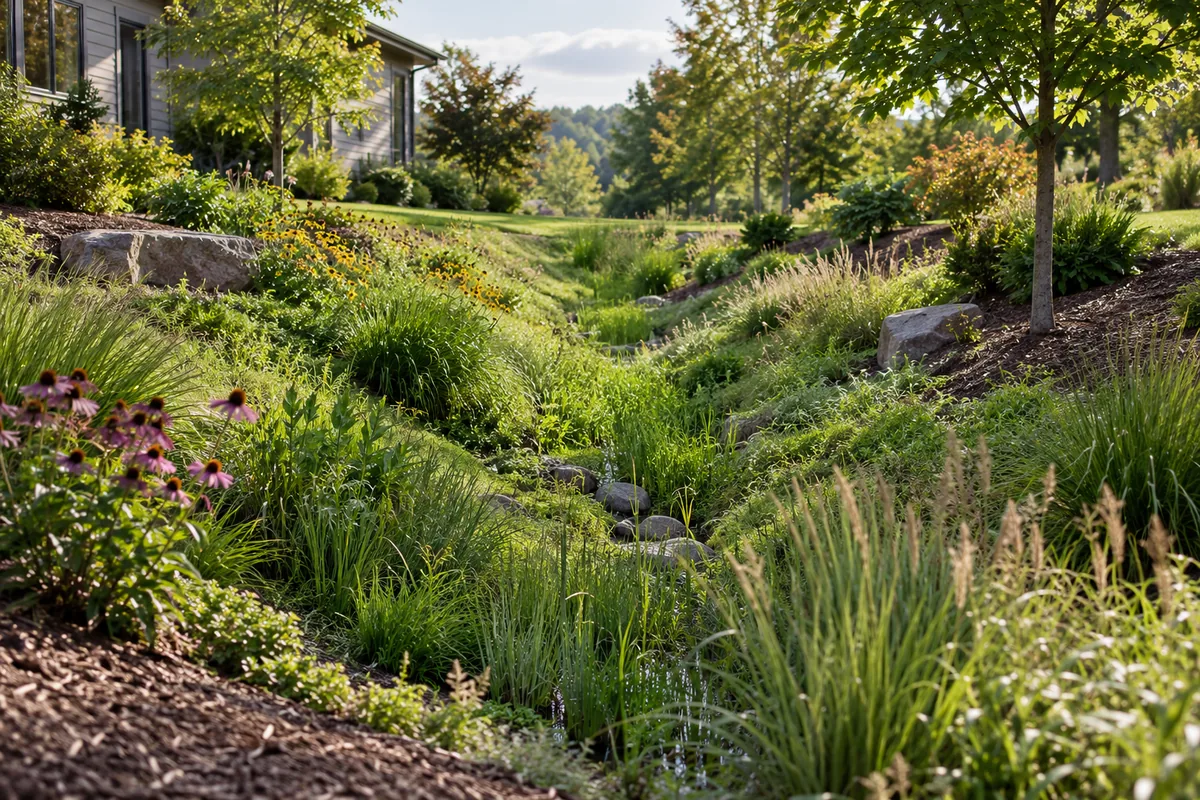
What Is Swale in Landscape Design?
Learn what swale means in landscape design, with a practical yard example, related terms, and the site decisions to check before making changes.
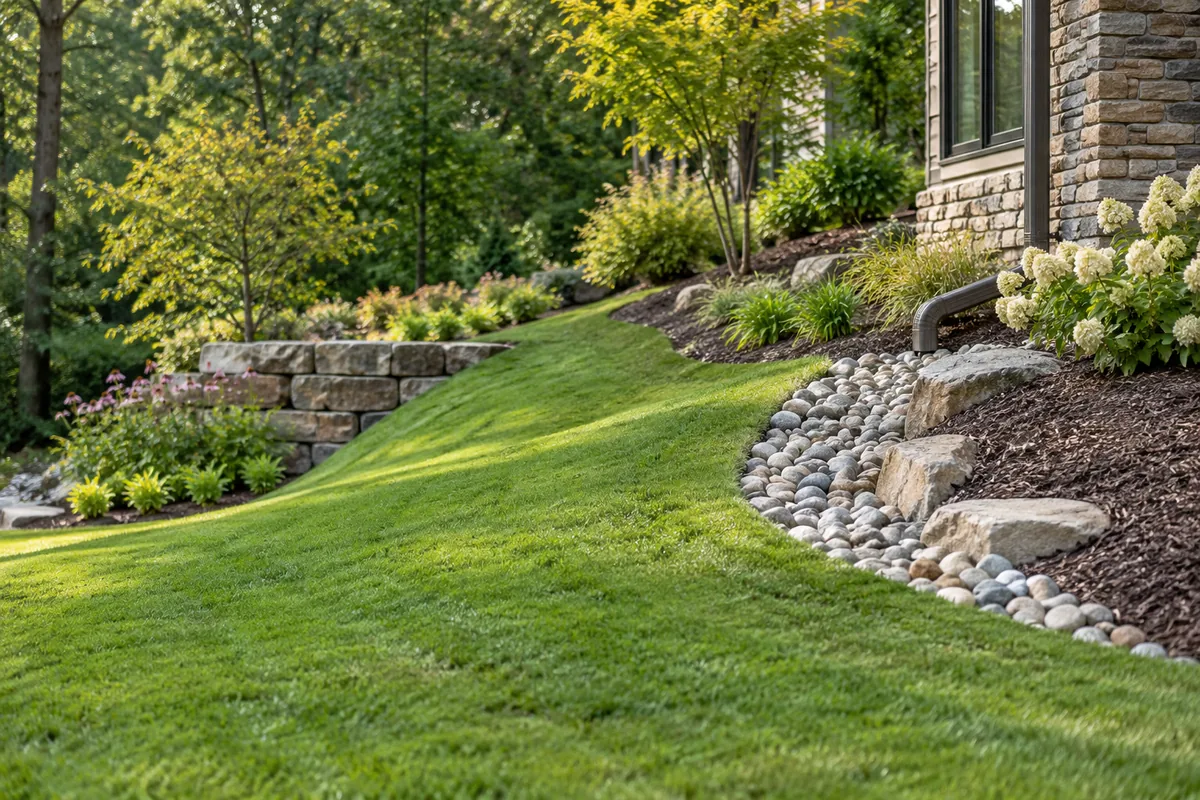
What Is Grading in Landscape Design?
Learn what grading means in landscape design, with a practical yard example, related terms, and the site decisions to check before making changes.
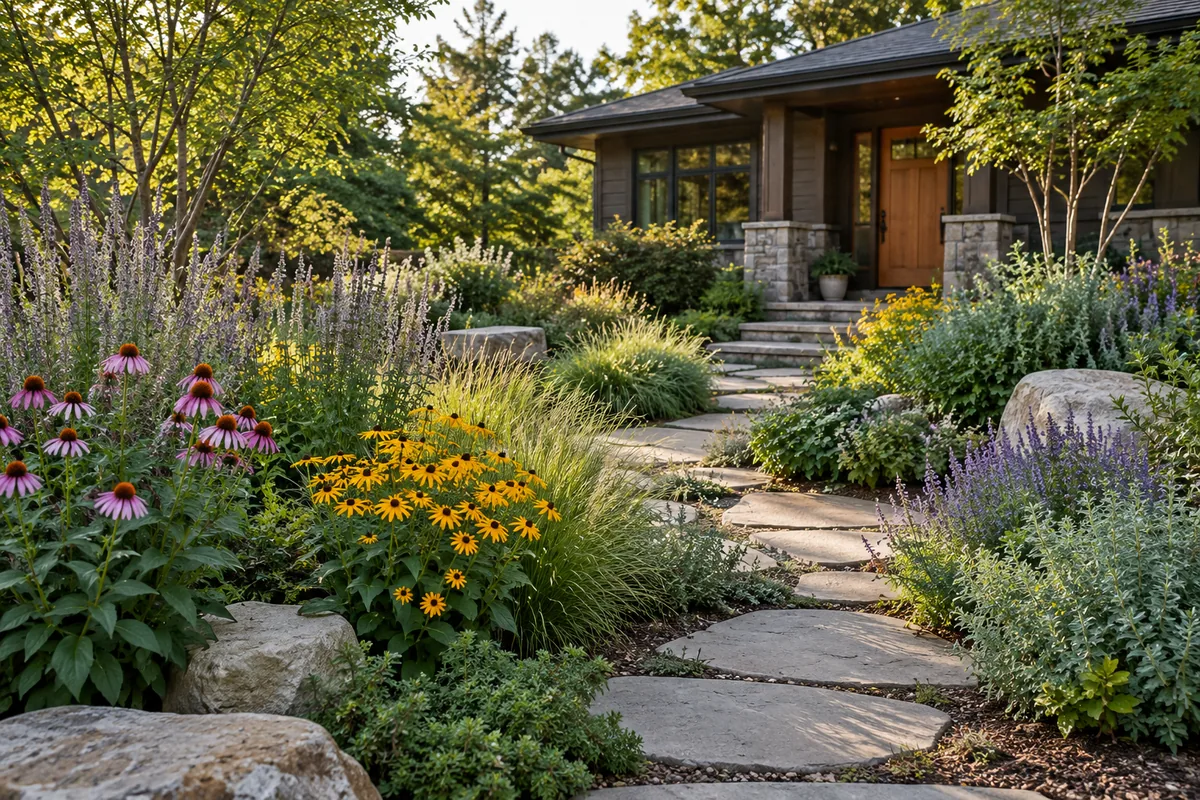
Native plant landscape style: regional plants with structure
Learn how native plant landscape style combines regional plant choices, seasonal change, and clear garden structure with practical care and neighborhood views.
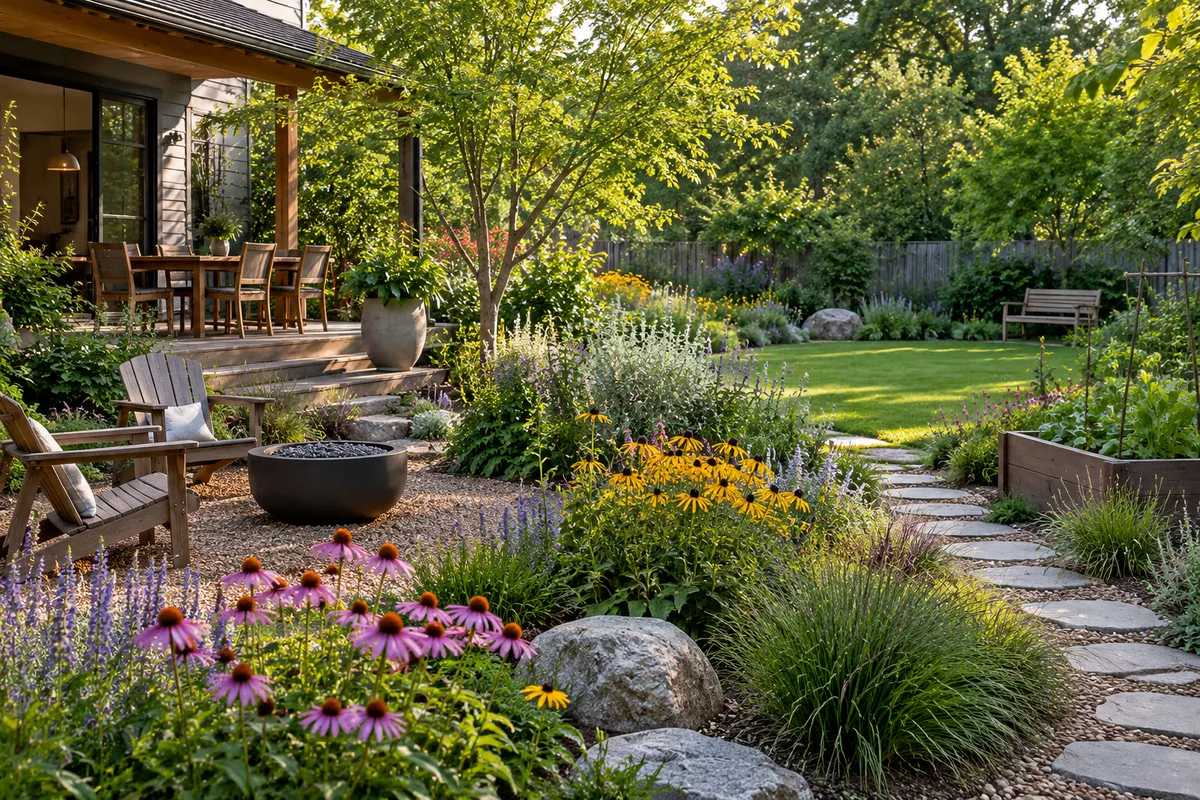
Native backyard ideas for seasonal planting and daily life
Find native backyard ideas for regional plant groups, seasonal texture, clear activity areas, useful access, and locally verified choices around the house.
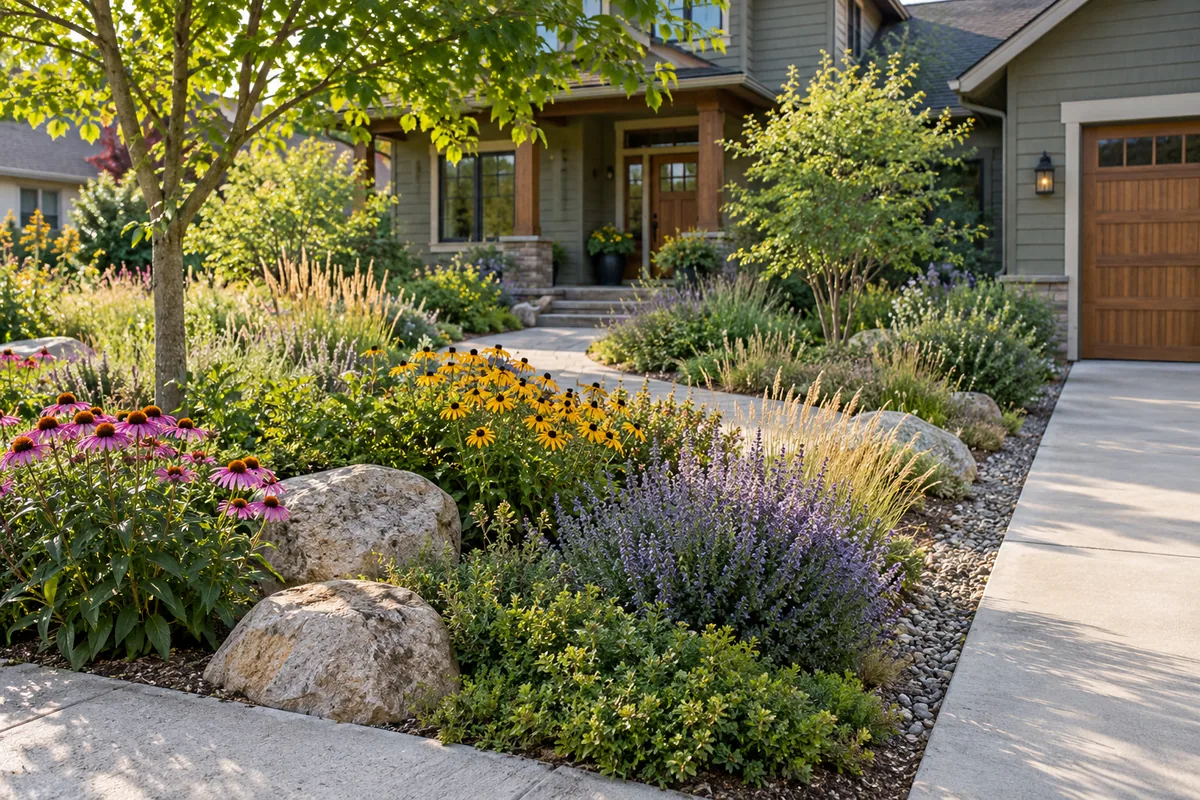
Native front yard ideas that make seasonal planting intentional
Find native front yard ideas for regional plant groups, legible borders, seasonal texture, visible entrances, and practical care in a publicly viewed garden.
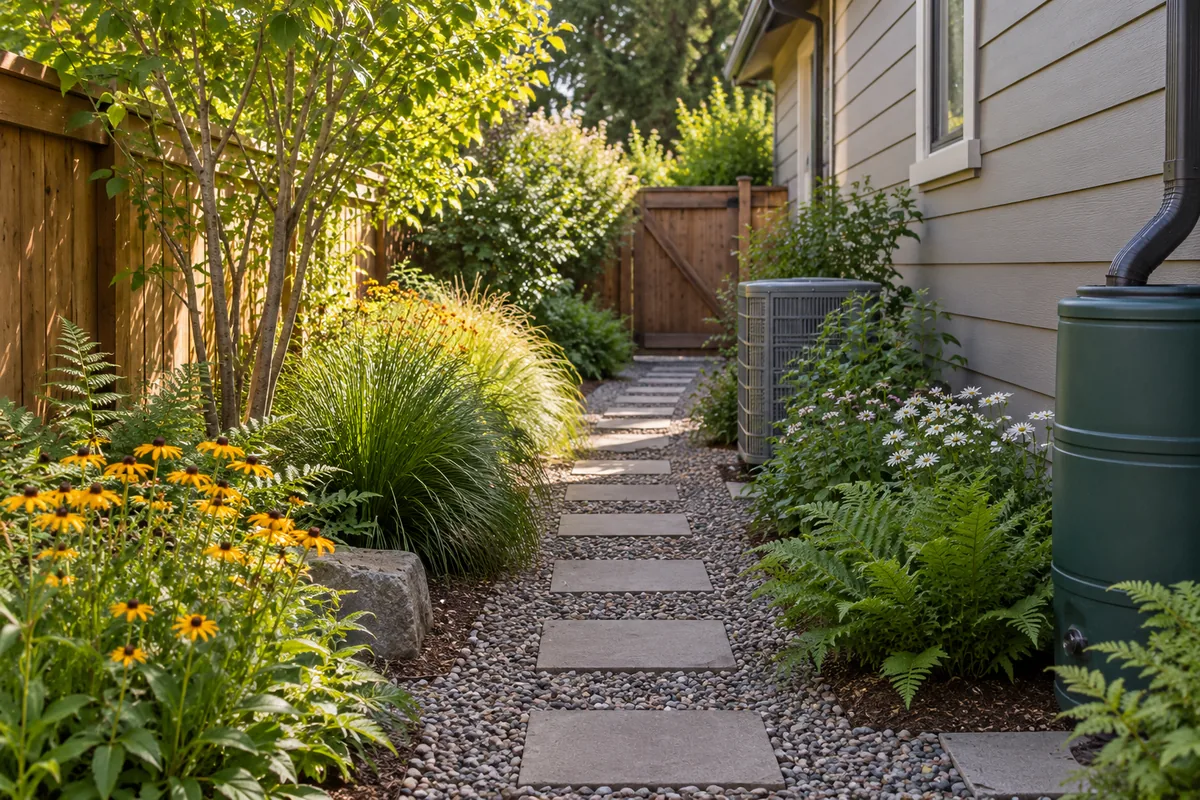
Native side yard ideas for regional planting beside access
Find native side yard ideas for regional plant groups, readable boundaries, seasonal texture, reachable equipment, and a practical connection around the house.