
AI Landscape Design 团队撰写 · 编辑方针
What Is Grading in Landscape Design?
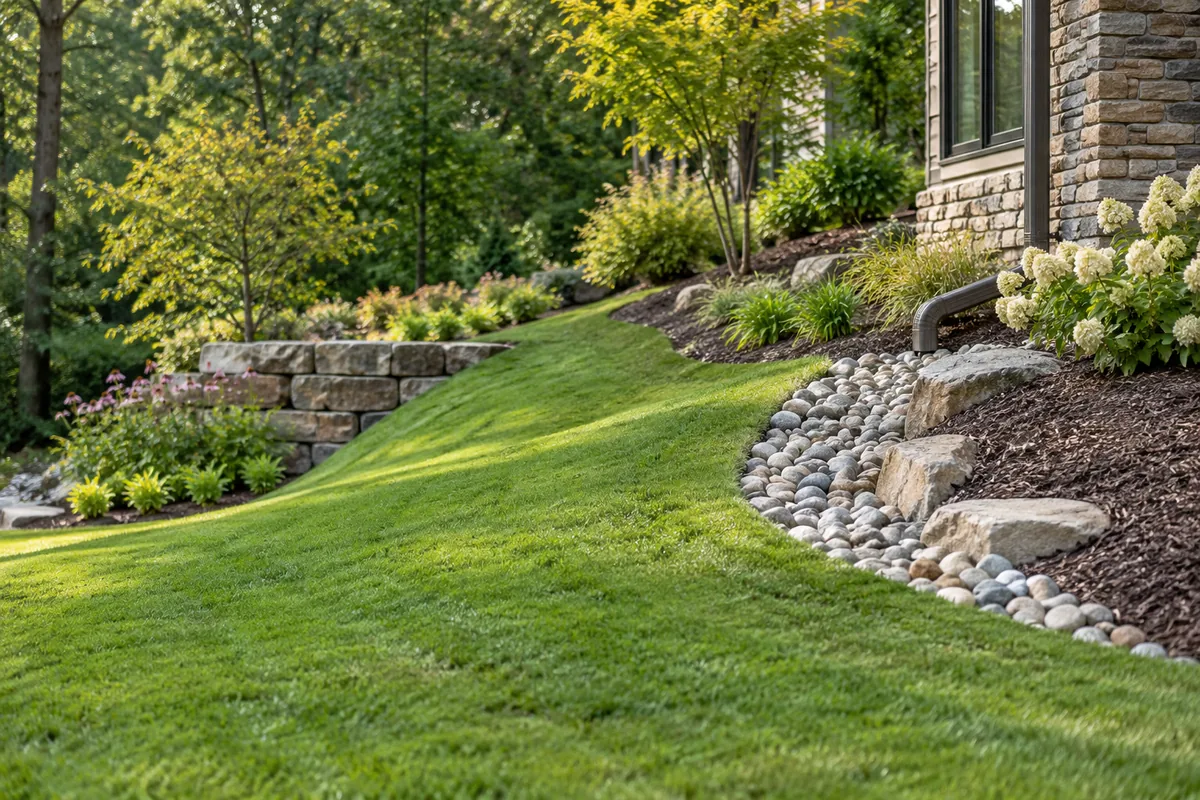
Grading is the shaping of ground levels and slopes to support a site’s intended use and water movement, including changes that affect access and surrounding landscape features. It is earthwork rather than a purely visual adjustment. A small-looking change can affect nearby buildings, roots, and neighboring land. Professional assessment is needed to determine appropriate levels and drainage destinations before the ground is altered.
发布日期 · 阅读约 2 分钟
要点
- Grading changes the actual landform.
- A flat-looking result is not a drainage assessment.
- Obtain measured, site-specific professional guidance.
How is grading used in landscape design?
Identify existing conditions with qualified help before discussing a new slope or platform. The assessment should include soil, water sources, discharge destinations, structures, trees, and access. Do not assume that leveling a seating area resolves the wider site. This glossary gives no numerical slope targets or excavation parameters because those depend on real measurements and local requirements.
What does grading look like in a yard?
A backyard patio concept may show a flatter surface than the original photo. That visual change does not establish how much earthwork is needed or whether it is feasible. Review the proposal with appropriate local professionals, including tree advice where roots are affected. In the United States, use 811 before digging and account for private services separately.
Which terms help explain grading?
Positive drainage describes a water-direction objective, while a berm is a raised landform and a swale is a depressed one. The terms help discuss possibilities rather than select construction details. AI concepts can compare appearance, but finished levels, stability, drainage, and permits need independent professional confirmation.
常见问题
Does grading mean making a yard flat?
Grading changes levels for a particular purpose; a flat appearance is not always the appropriate goal. Water movement, access, and site relationships must be assessed. A qualified professional can explain what the actual conditions require before earthwork begins.
Can grading affect neighboring property?
Changing ground levels may alter how water moves beyond the work area. Assess neighboring land and lawful drainage destinations with the appropriate professionals. Do not infer permission to redirect water or reshape a boundary from a garden design image.
Can AI decide finished ground levels?
AI image generation does not establish the measured levels or site information needed for grading decisions. Use the result for visual discussion only. Appropriate professionals must verify earthwork, drainage, structural implications, and local requirements before construction.
参考来源
相关阅读
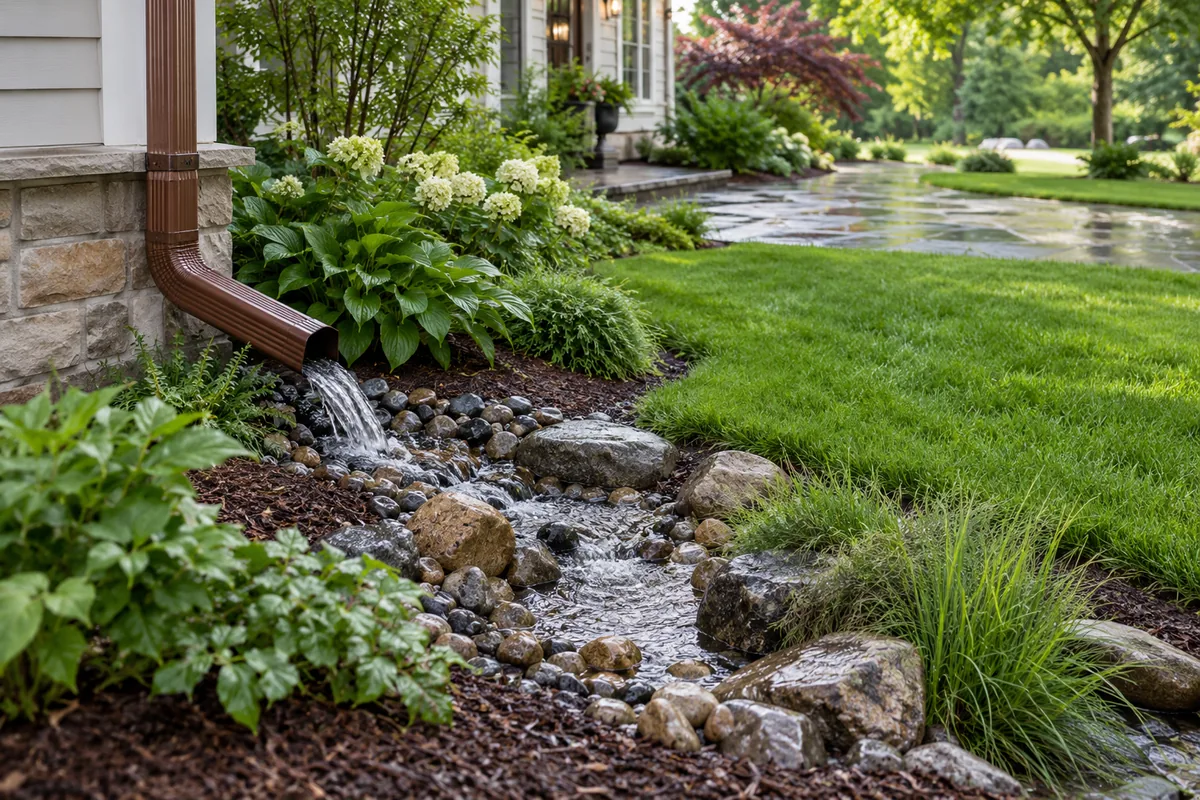
What Is Positive Drainage in Landscape Design?
Learn what positive drainage means in landscape design, with a practical yard example, related terms, and the site decisions to check before making changes.
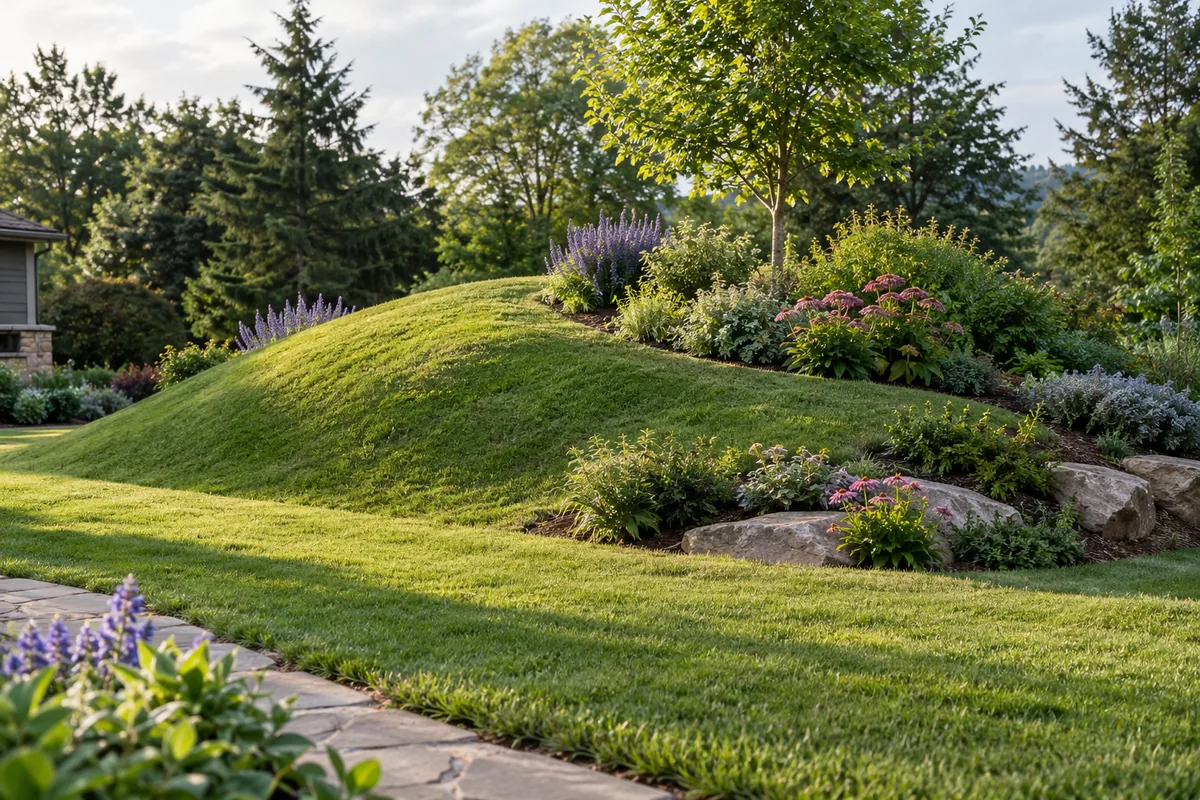
What Is Berm in Landscape Design?
Learn what berm means in landscape design, with a practical yard example, related terms, and the site decisions to check before making changes.
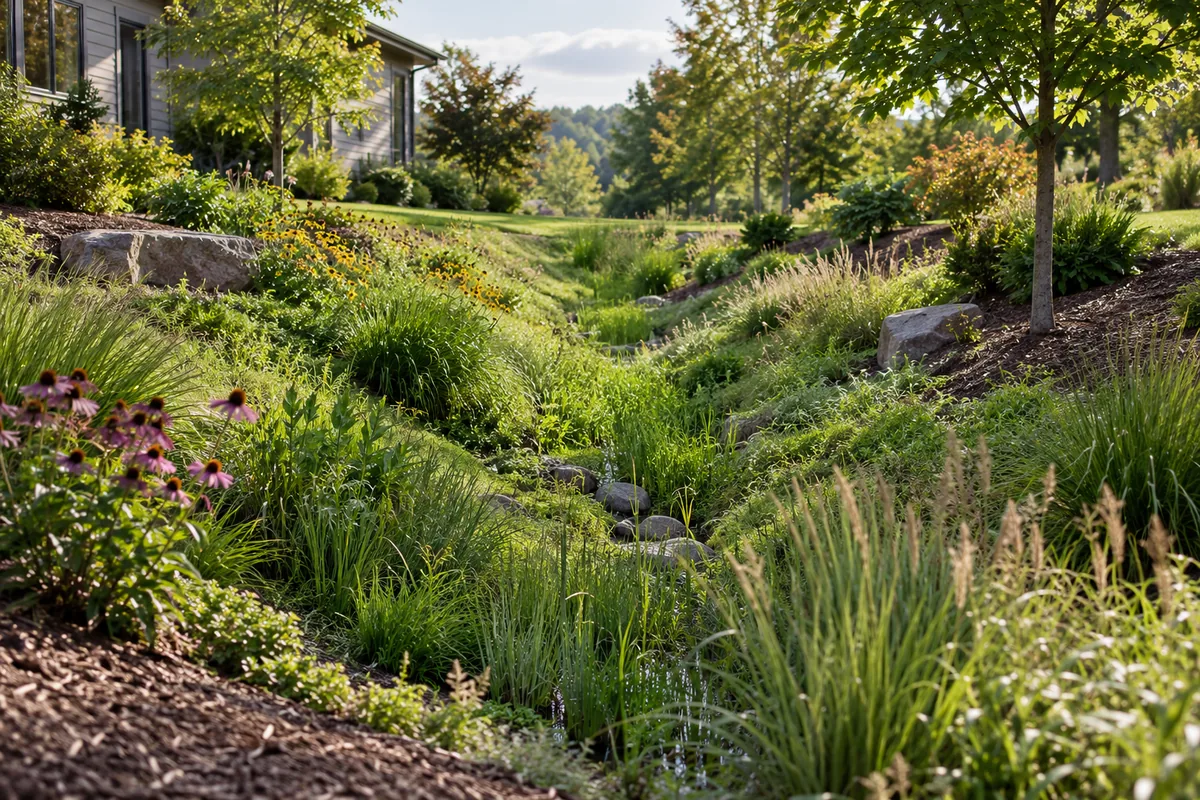
What Is Swale in Landscape Design?
Learn what swale means in landscape design, with a practical yard example, related terms, and the site decisions to check before making changes.
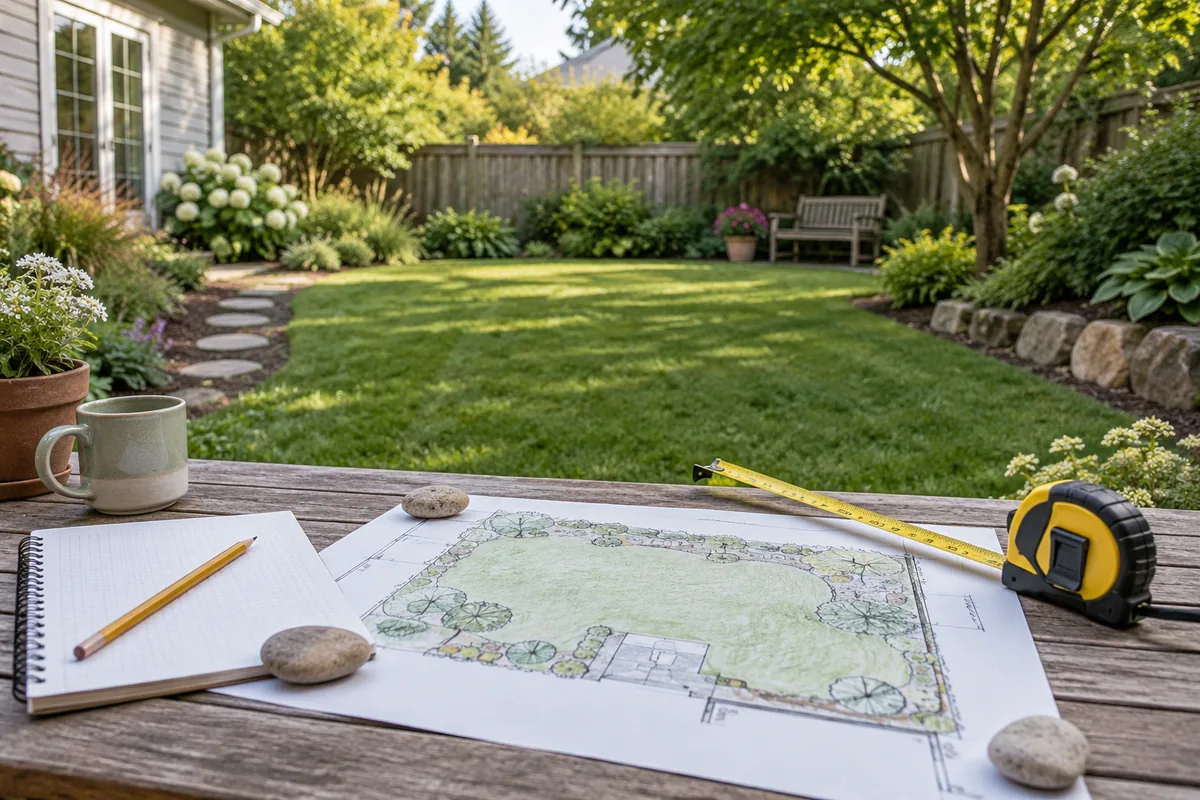
How to Measure Your Yard for Landscape Planning
Measure your yard for an initial planning sketch using clear reference points, recorded dimensions, and fixed-feature notes before seeking professional surveys.
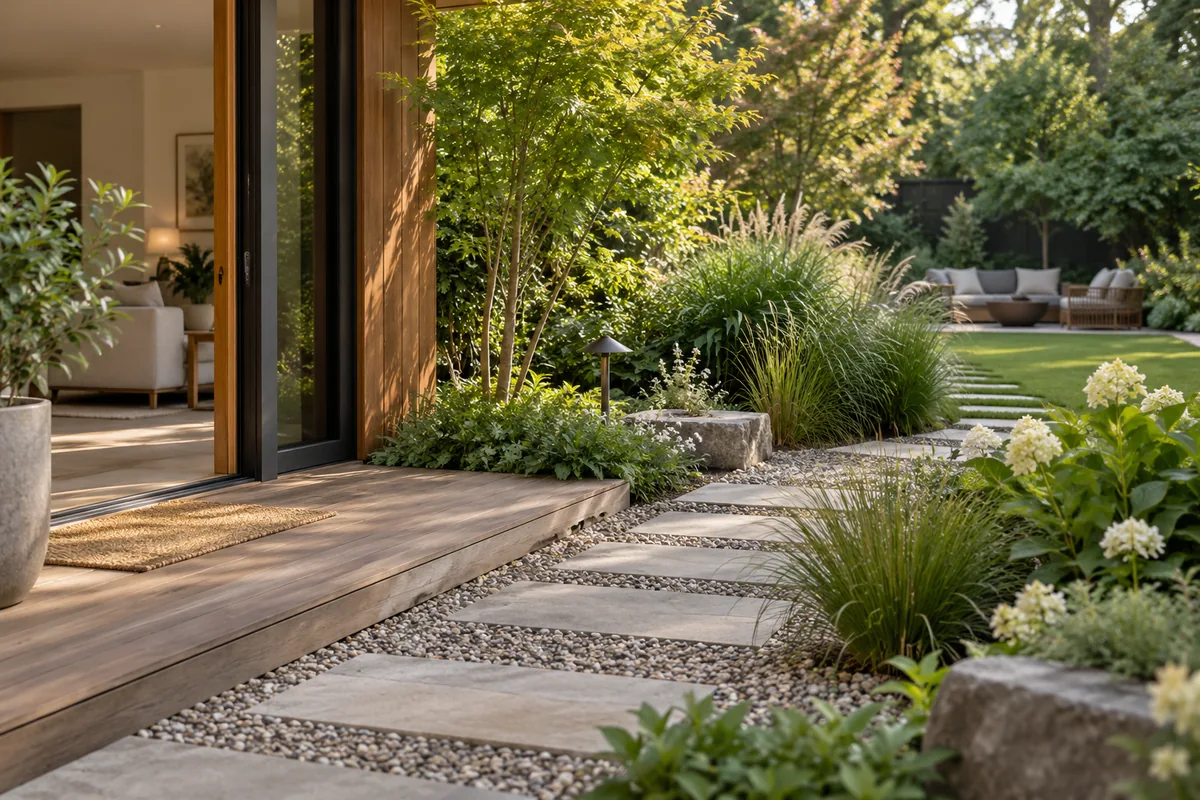
What Is Transition Zone in Landscape Design?
Learn what transition zone means in landscape design, with a practical yard example, related terms, and the site decisions to check before making changes.