
AI Landscape Design 团队撰写 · 编辑方针
What Is Microclimate in Landscape Design?
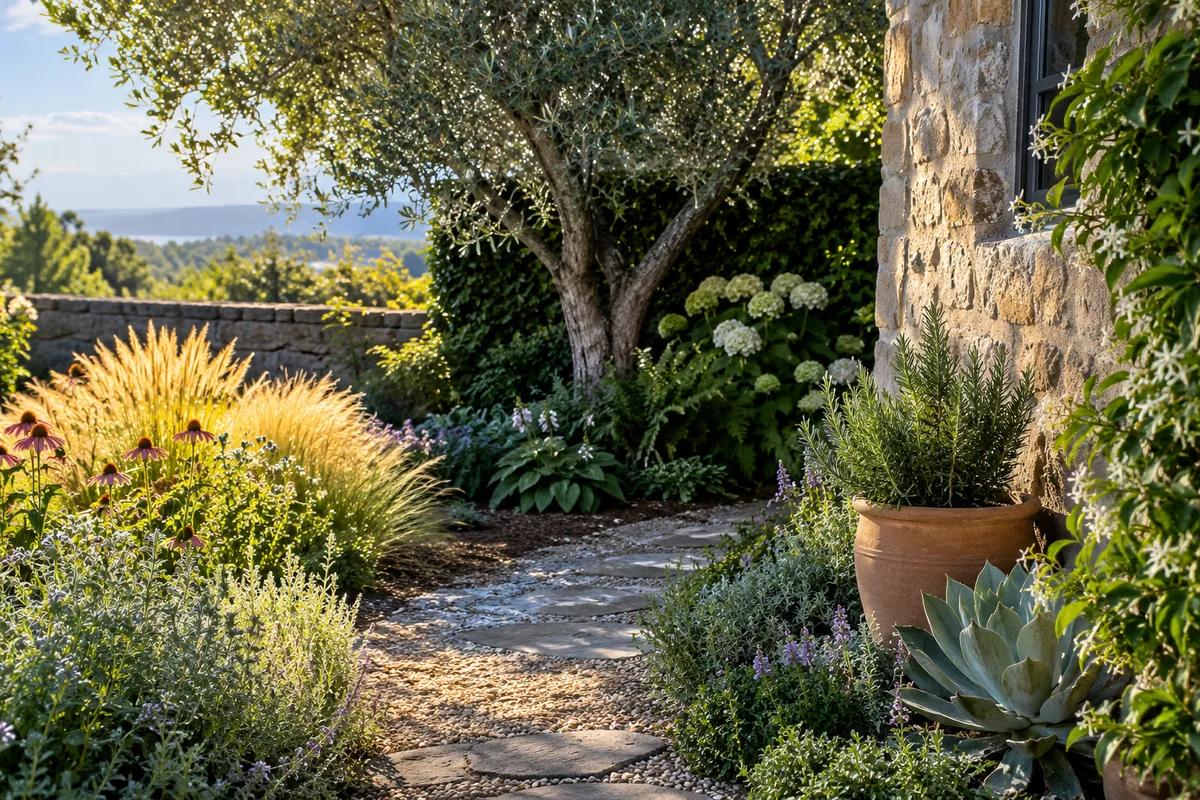
A microclimate is the set of local climate conditions within a small area that differs from its surroundings because of features such as shade, exposure, surfaces, or shelter. In a garden, the conditions near a wall may differ from those in an open bed. The term helps explain why a single regional climate label is not enough for planting decisions. Actual observation matters more than assumptions based on an image.
发布日期 · 阅读约 2 分钟
要点
- Microclimate describes local climate differences.
- Observe relevant times and seasons.
- A photo cannot measure growing conditions.
How is microclimate used in landscape design?
Observe the area at the times and seasons relevant to its use. Buildings and trees can change light and exposure, while different surfaces may create contrasting conditions nearby. Record what is visible without assuming a precise temperature difference. Confirm plant suitability with local guidance and the USDA hardiness zone, then assess soil and moisture separately rather than assigning a species from appearance.
What does microclimate look like in a yard?
A patio border beside a sunlit wall may feel different from a bed beneath an established tree across the same yard. The tree’s roots and canopy introduce conditions beyond the visible shade. Assess both locations before repeating the same planting. Avoid altering tree roots or attached structures as a quick attempt to change the growing environment; obtain the appropriate professional advice.
Which terms help explain microclimate?
Hardiness zone describes regional cold conditions, while full sun and part shade classify light in broad terms. Microclimate connects those labels to a particular place. AI visualization remains a way to explore appearance; verify the garden’s actual exposure, species requirements, and care before acting on a depicted planting arrangement.
常见问题
Can a wall affect a microclimate?
A wall can influence shade, shelter, or reflected conditions near a planting area. The actual effect depends on its position and surroundings. Observe the location through relevant seasons rather than assigning a fixed temperature benefit to every wall.
Is microclimate the same as soil type?
Soil type describes the growing medium, while microclimate describes local climate conditions. The two can interact with moisture and planting performance, but they are not interchangeable. Assess both before deciding why a particular plant suits a location.
Can a photo reveal a microclimate?
A photo can show potential sources of shade or exposure, but it does not measure how conditions change over time. Use direct observation and suitable local advice. The image alone cannot establish the temperature, moisture, or reliable light available to plants.
参考来源
相关阅读
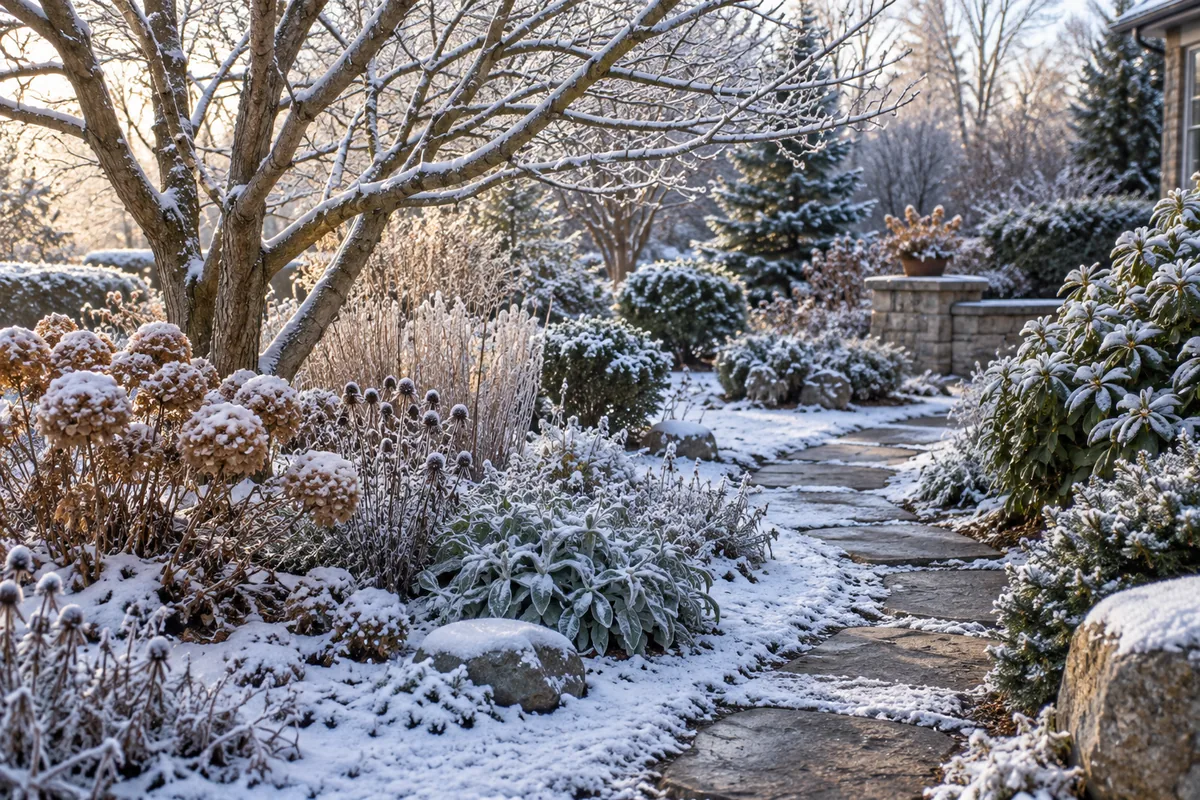
What Is Hardiness Zone in Landscape Design?
Learn what hardiness zone means in landscape design, with a practical yard example, related terms, and the site decisions to check before making changes.
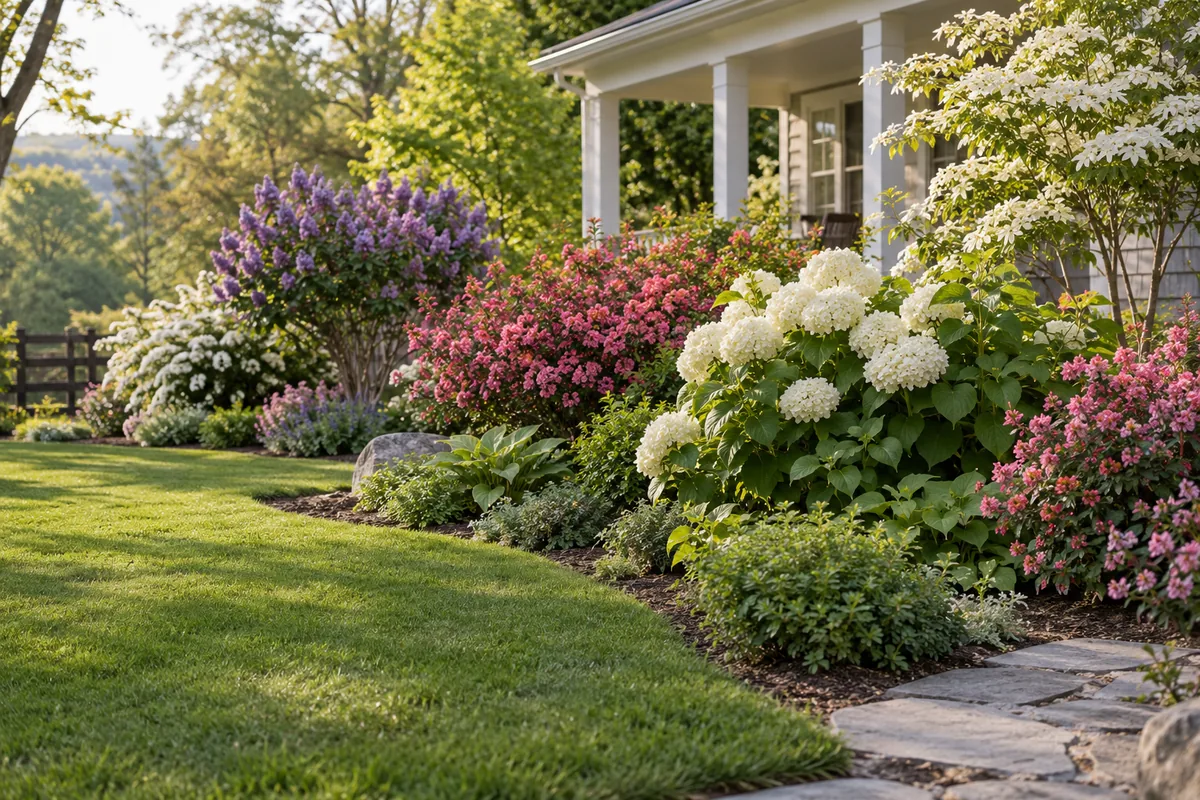
Flowering Shrubs for a Seasonal Border with Clear Structure
Learn how flowering shrubs fit your yard, with practical material, placement, upkeep, and safety questions to review before choosing a visual direction.
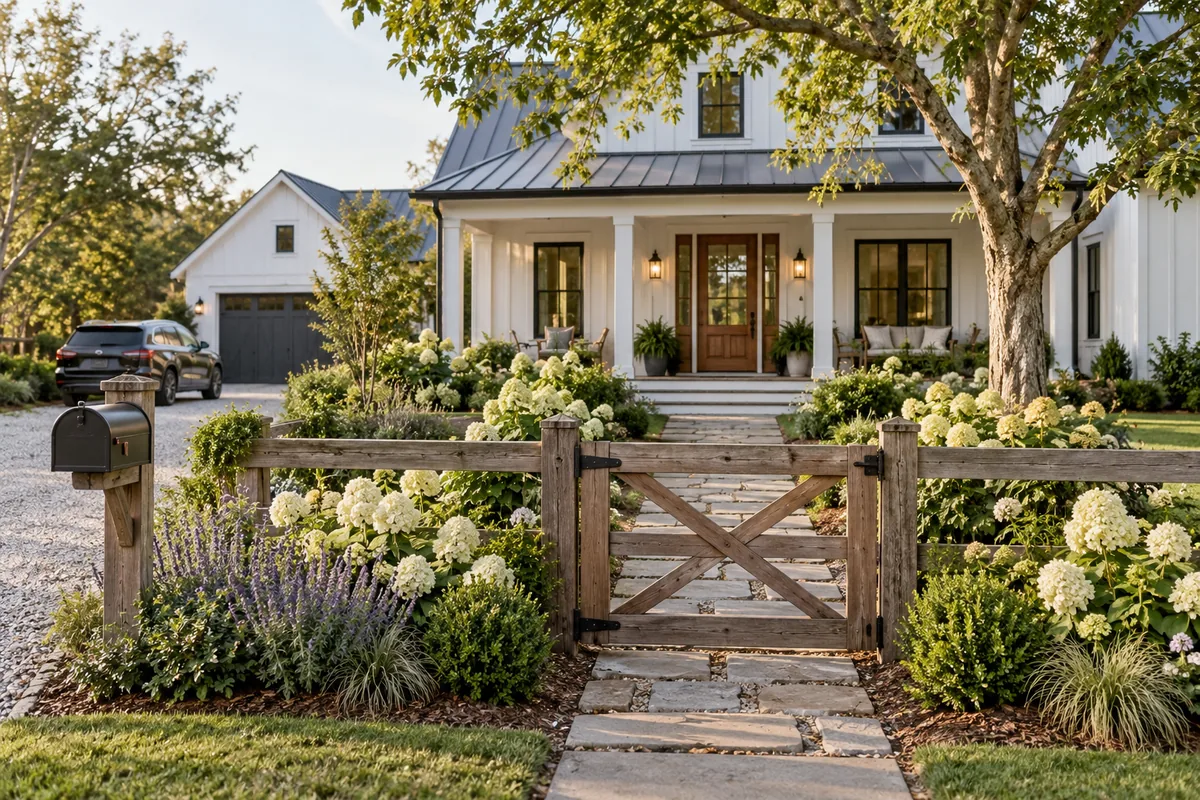
Farmhouse front yard ideas with a useful, welcoming framework
Discover farmhouse front yard ideas for working gates, sturdy boundaries, warm materials, practical planting, and an entrance that supports everyday arrivals.
How to Design a Garden Bed Around Real Site Conditions
Design a garden bed by testing its outline, planting roles, mature growth, and maintenance access before selecting locally suitable plants and edging.
What Is Layered Planting in Landscape Design?
Learn what layered planting means in landscape design, with a practical yard example, related terms, and the site decisions to check before making changes.
What Is Soil pH in Landscape Design?
Learn what soil ph means in landscape design, with a practical yard example, related terms, and the site decisions to check before making changes.