
AI Landscape Design 团队撰写 · 编辑方针
What Is Hardiness Zone in Landscape Design?
A hardiness zone is a climate classification used to discuss cold tolerance of plants, with USDA zones based on the average annual extreme minimum temperature for an area. The classification provides one part of a planting decision rather than a complete description of growing conditions. Summer heat, moisture, light, and soil also matter. A plant label that matches the zone does not establish suitability for every location within the yard.
发布日期 · 阅读约 2 分钟
要点
- USDA zones describe average annual extreme cold.
- Other growing conditions need separate checks.
- Matching a zone does not guarantee plant performance.
How is hardiness zone used in landscape design?
According to the USDA Plant Hardiness Zone Map, its zones reflect average annual extreme minimum temperature, not every possible cold event. Use the official map for the confirmed location and discuss plant tolerance with local experts. Do not infer an address or exact growing conditions from a photograph. The zone is background information for selection, not a verified planting recommendation.
What does hardiness zone look like in a yard?
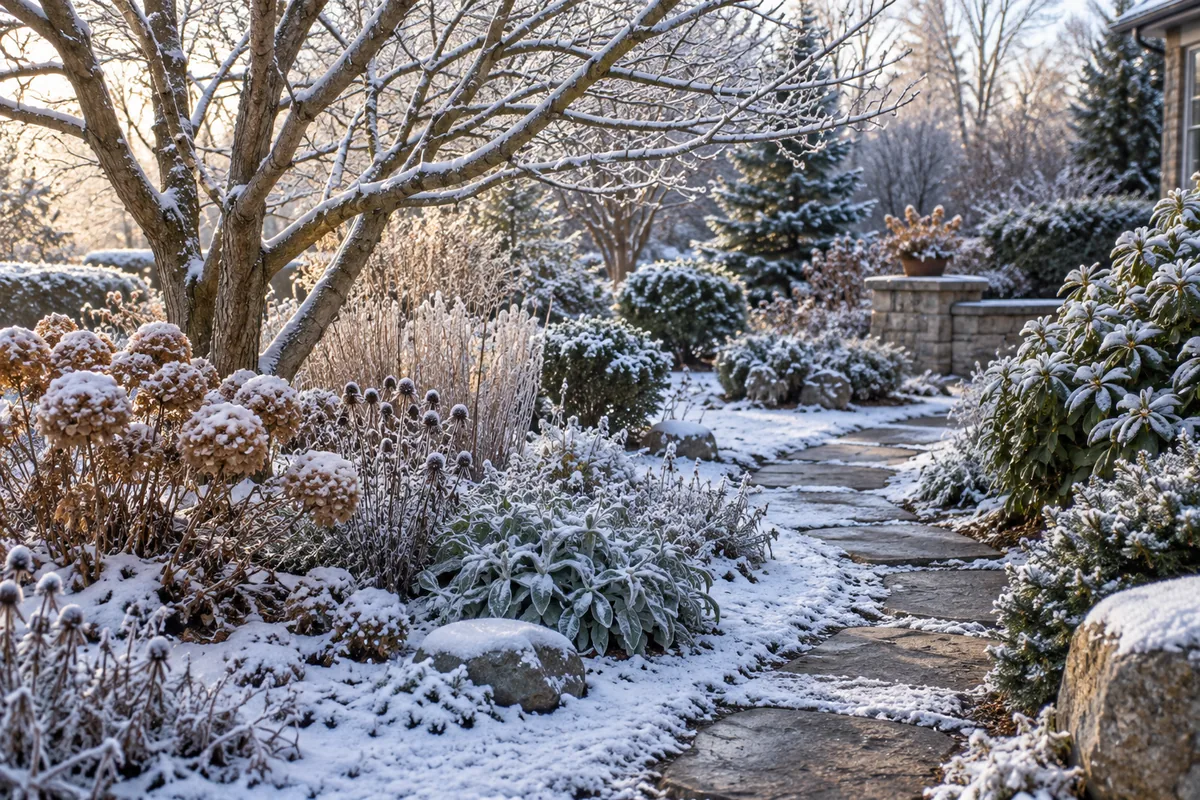
A front border beside a shaded wall and a sunny bed near the driveway may share a USDA zone while offering different growing conditions. A plant suited to one could struggle in the other. Record light, moisture, exposure, and available root space before choosing. Local invasive status and pet toxicity must also be checked independently from cold tolerance.
Which terms help explain hardiness zone?
A microclimate describes conditions at a smaller scale. Full sun and part shade discuss light rather than regional minimum temperature. Visual concepts can suggest planting roles, but species and local suitability require separate confirmation. Neither an AI image nor a matching hardiness label establishes a plant’s health, safety, or future performance.
常见问题
Does the USDA zone describe summer heat?
The USDA hardiness classification focuses on average annual extreme minimum temperature. It does not provide a complete account of summer conditions. Check heat, exposure, soil, and moisture separately with local horticultural guidance when considering a plant.
Does a matching hardiness zone guarantee survival?
A matching zone is only part of plant selection. Light, soil, water, exposure, care, and unusual weather can affect the outcome. Evaluate the actual site and consult local expertise instead of treating a zone number as a survival promise.
Can two parts of a yard have different conditions?
Beds within one yard can receive different light, wind, moisture, and reflected heat even when the map gives the same regional zone. Observe each planting location. A broad climate label cannot replace an assessment of the specific growing space.
参考来源
相关阅读
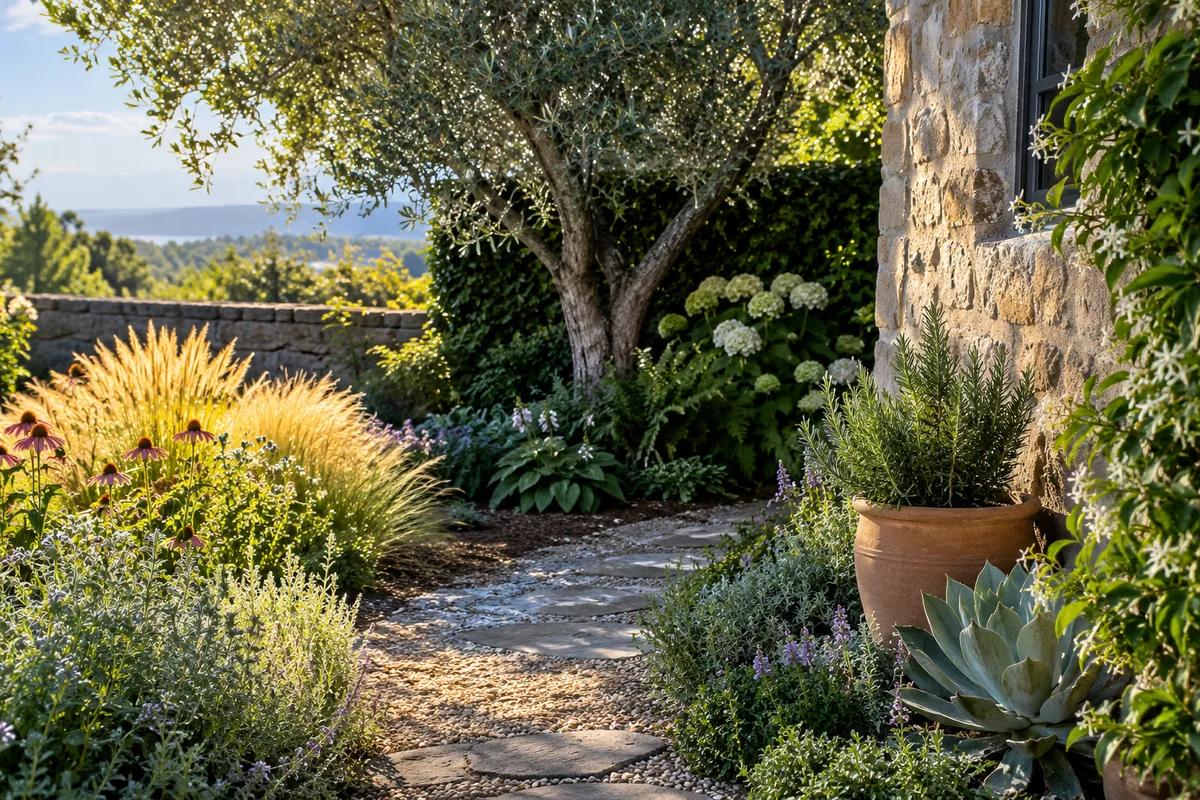
What Is Microclimate in Landscape Design?
Learn what microclimate means in landscape design, with a practical yard example, related terms, and the site decisions to check before making changes.
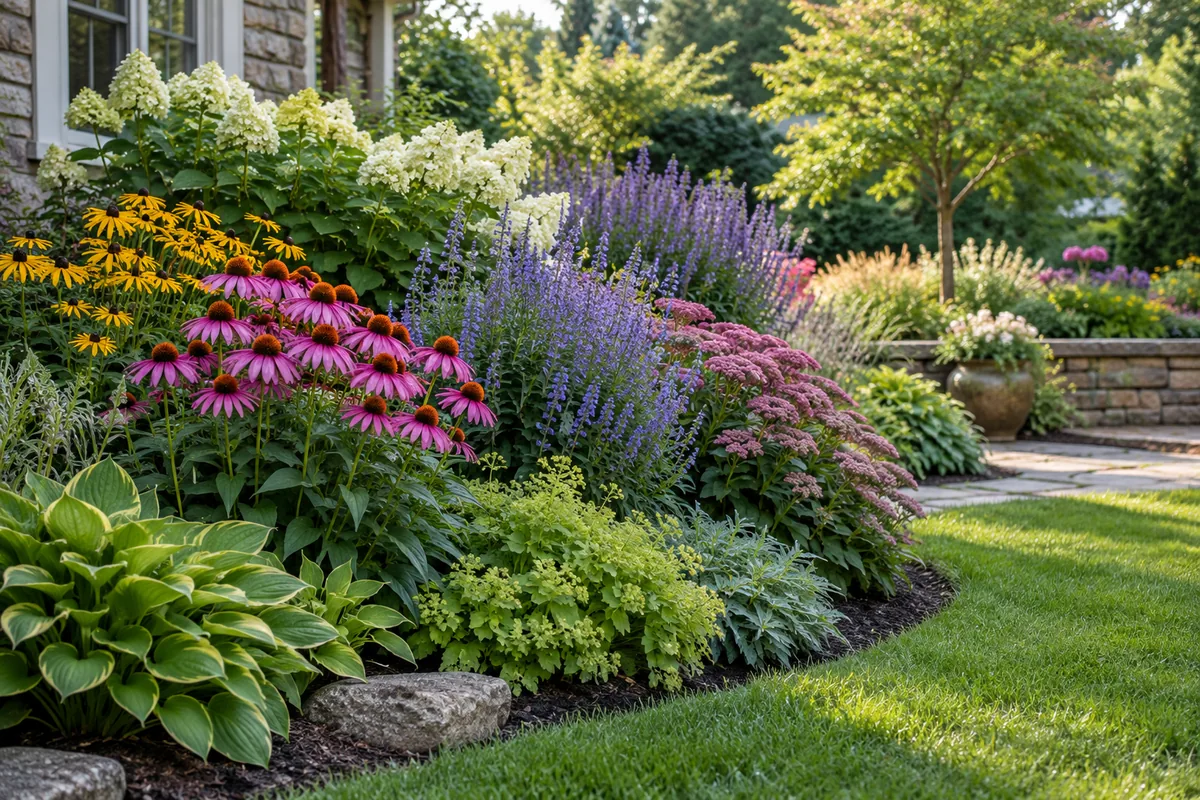
Perennial Flowers for Seasonal Roles and a Readable Border
Learn how perennial flowers fit your yard, with practical material, placement, upkeep, and safety questions to review before choosing a visual direction.
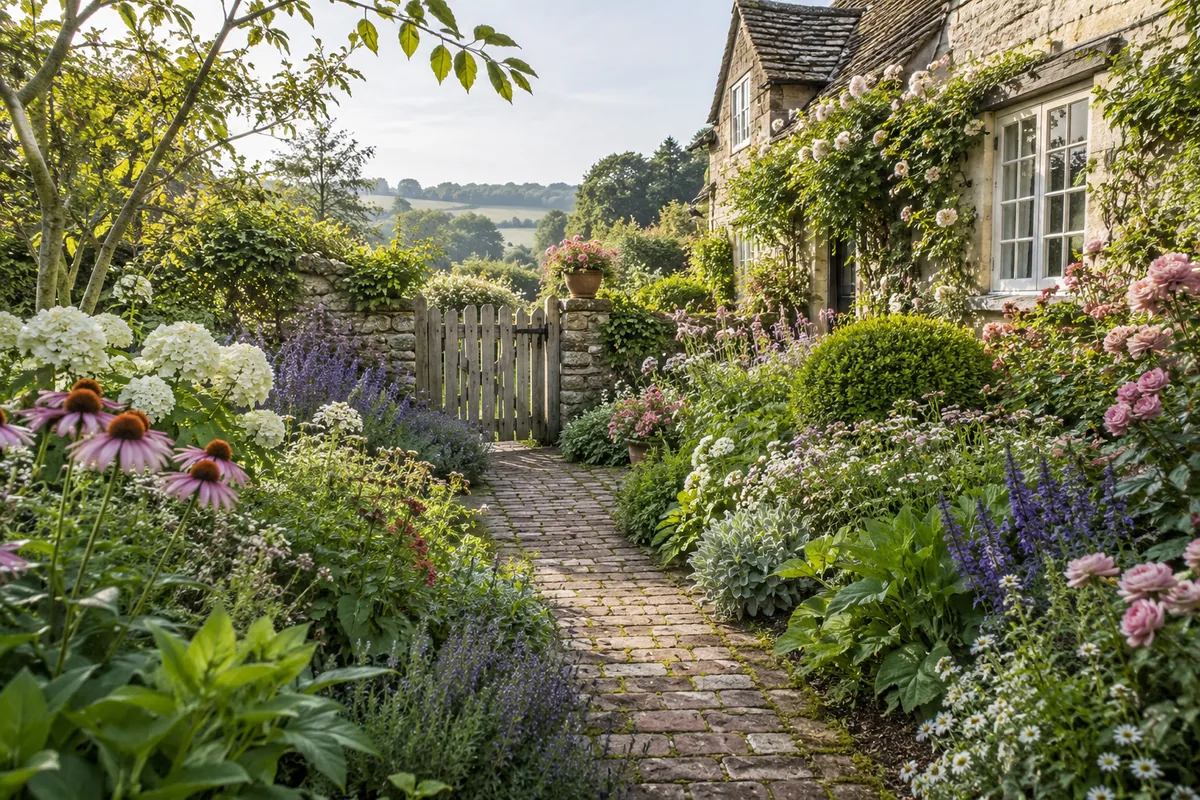
Cottage garden style: flowers with a working framework
Explore cottage garden style through layered flowers, selective self-seeding, clear paths, seasonal care, and the framework that makes informal planting usable.
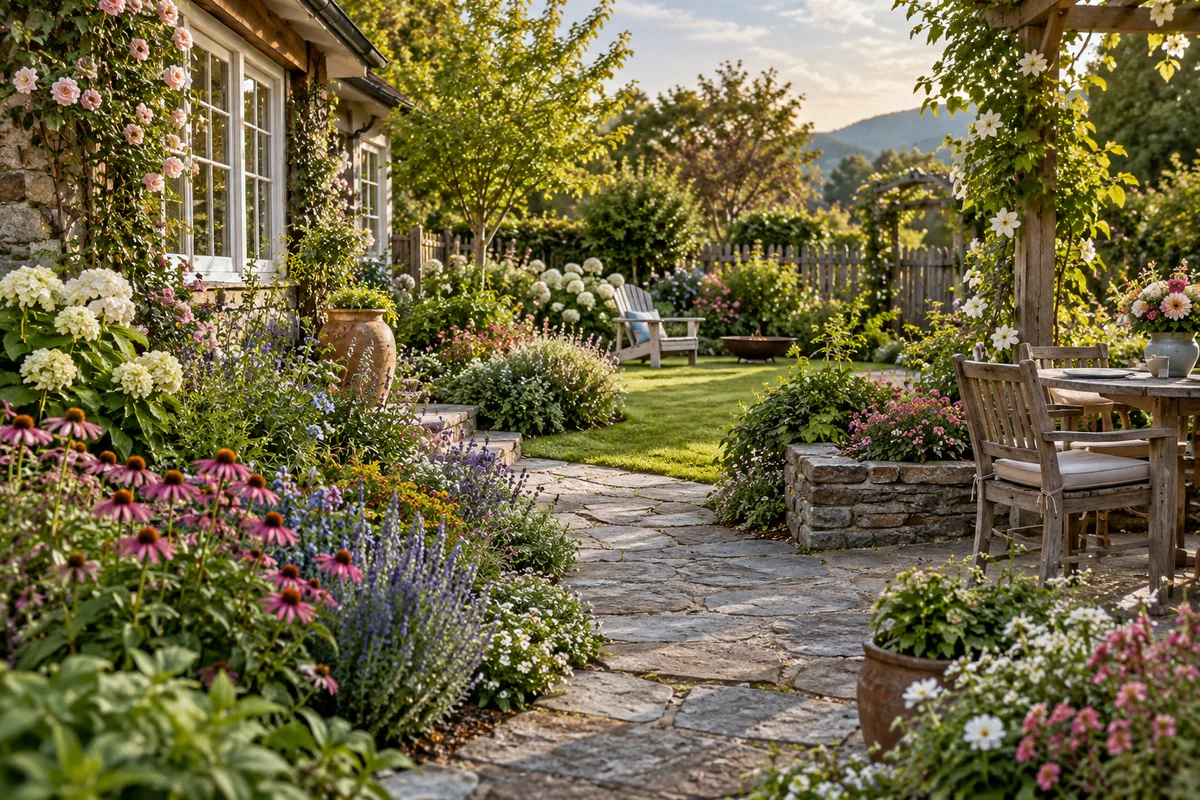
Cottage backyard ideas for flowers, seats, and seasonal life
Explore cottage backyard ideas for layered flowers, comfortable seats, connected borders, productive corners, and practical access through seasonal planting.
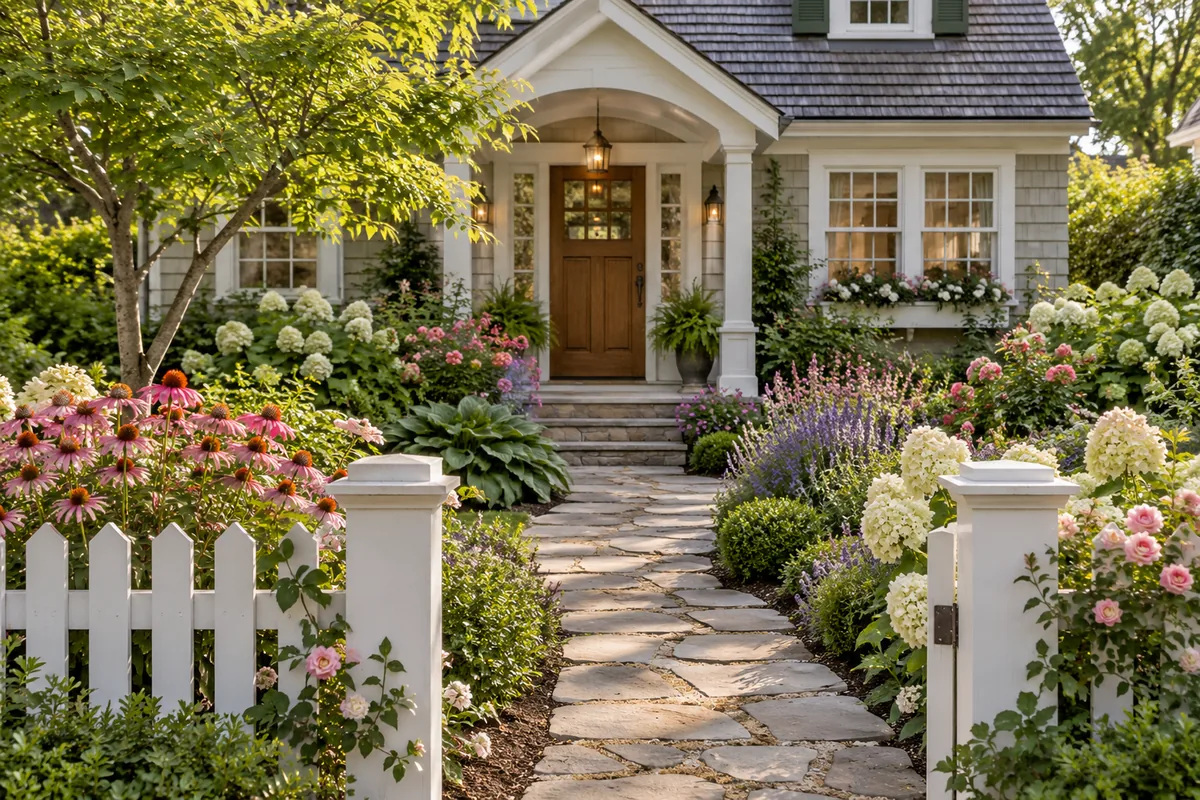
Cottage front yard ideas that welcome visitors through flowers
Find cottage front yard ideas for layered borders, useful gates, brick details, seasonal flower groups, and a welcoming entrance that stays easy to reach.
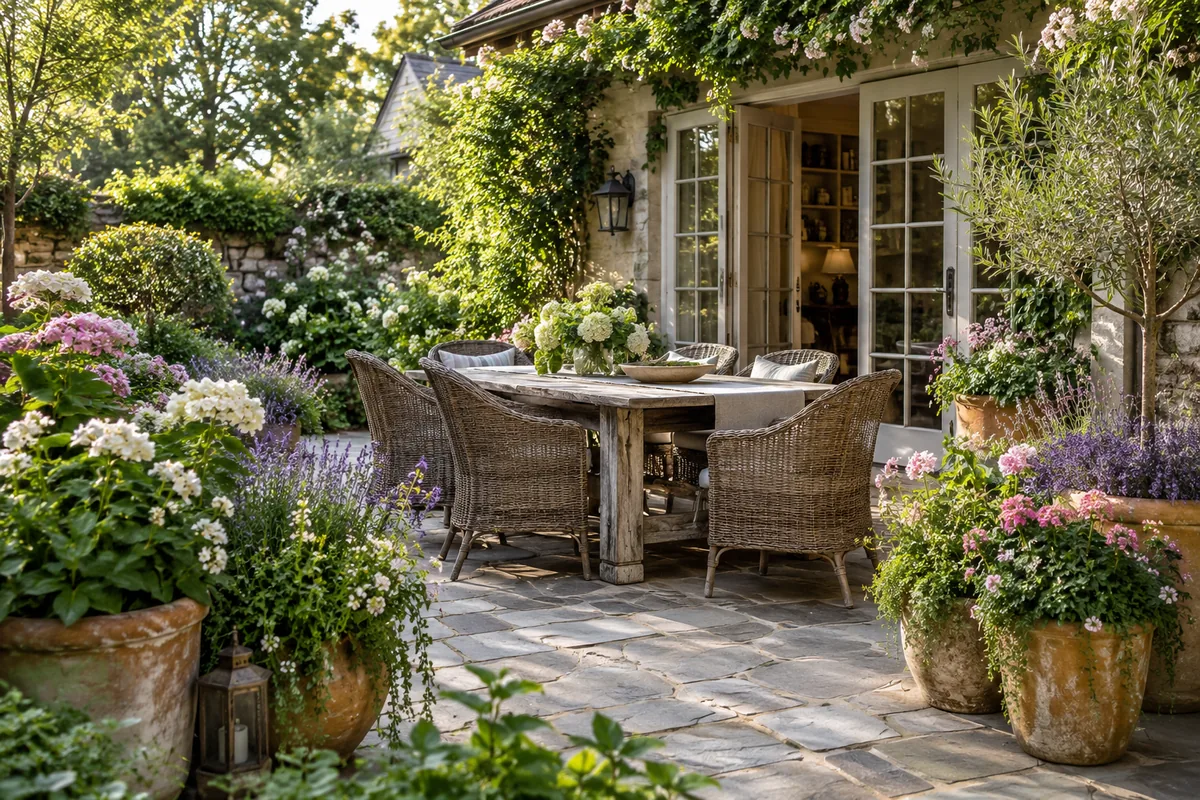
Cottage patio ideas that place flowers around a usable room
Find cottage patio ideas for grouped flowers, stable containers, appropriate climbers, warm materials, and a clear outdoor room that stays comfortable to use.