
AI Landscape Design 团队撰写 · 编辑方针
What Is Soil pH in Landscape Design?
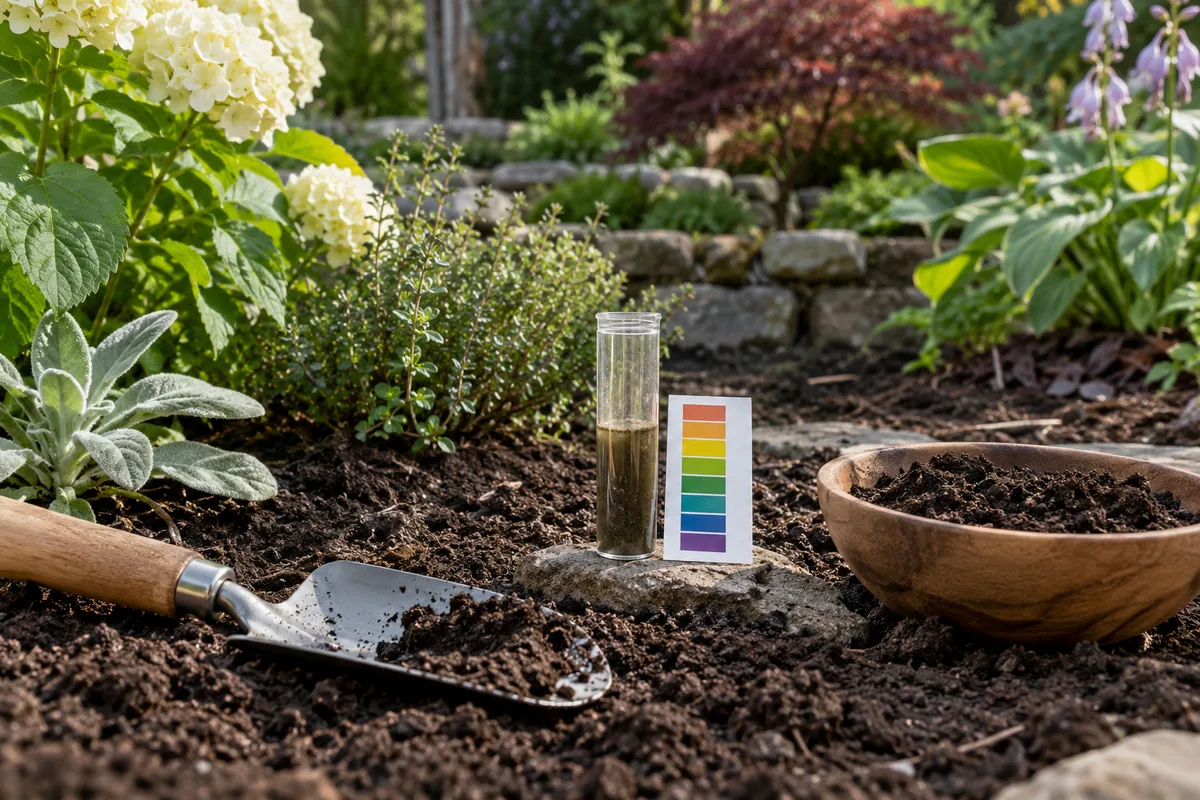
Soil pH is a measure of how acidic or alkaline a soil is, used in horticulture to help understand growing conditions and the suitability of different plants. The measurement is part of a soil assessment rather than a complete description of fertility or structure. Plant selection and any proposed amendment should respond to reliable testing and local advice. Leaf appearance or a garden photograph cannot provide a dependable pH reading.
发布日期 · 阅读约 2 分钟
要点
- Soil pH measures acidity or alkalinity.
- Test before choosing a treatment.
- pH does not describe all growing conditions.
How is soil ph used in landscape design?
Use an appropriate soil test before deciding that acidity or alkalinity needs changing. A growing problem can involve light, moisture, roots, nutrients, or other conditions instead. According to the Royal Horticultural Society, plant choices differ with soil conditions, including acidity. Avoid treating every bed as needing the same amendment or assuming that a particular mulch will achieve a predictable change.
What does soil ph look like in a yard?
A front border could contain plants chosen from an inspiration image without any information about the existing soil. Testing may reveal that the proposed palette needs reconsideration. Select locally suitable plants for the measured conditions rather than trying to force the site to match a photograph. USDA hardiness, actual light, and invasive status still require separate checks.
Which terms help explain soil ph?
Soil amendment describes material added to change soil properties, while compost is one possible material. Topsoil describes the upper soil layer. These terms do not substitute for testing. An AI concept can suggest a planting character, but acidity, plant requirements, and amendment decisions need independent local verification before purchase or application.
常见问题
Can soil pH be judged from a photograph?
A photograph cannot reliably measure soil acidity or alkalinity. Use an appropriate test and interpret it with local horticultural advice. Visible symptoms may have several causes, so plant appearance alone should not determine a pH treatment.
Does every plant prefer the same soil pH?
Plants differ in their soil requirements, and pH is only one part of suitability. Match the selected plants with measured conditions and local guidance. Cold tolerance, light, soil structure, and moisture must also be considered before purchase.
Should soil be amended before testing?
Applying amendments without understanding the soil may fail to address the actual problem or create another one. Obtain suitable test information and local advice first. This glossary does not prescribe products, application rates, or a universal target for every garden.
参考来源
相关阅读
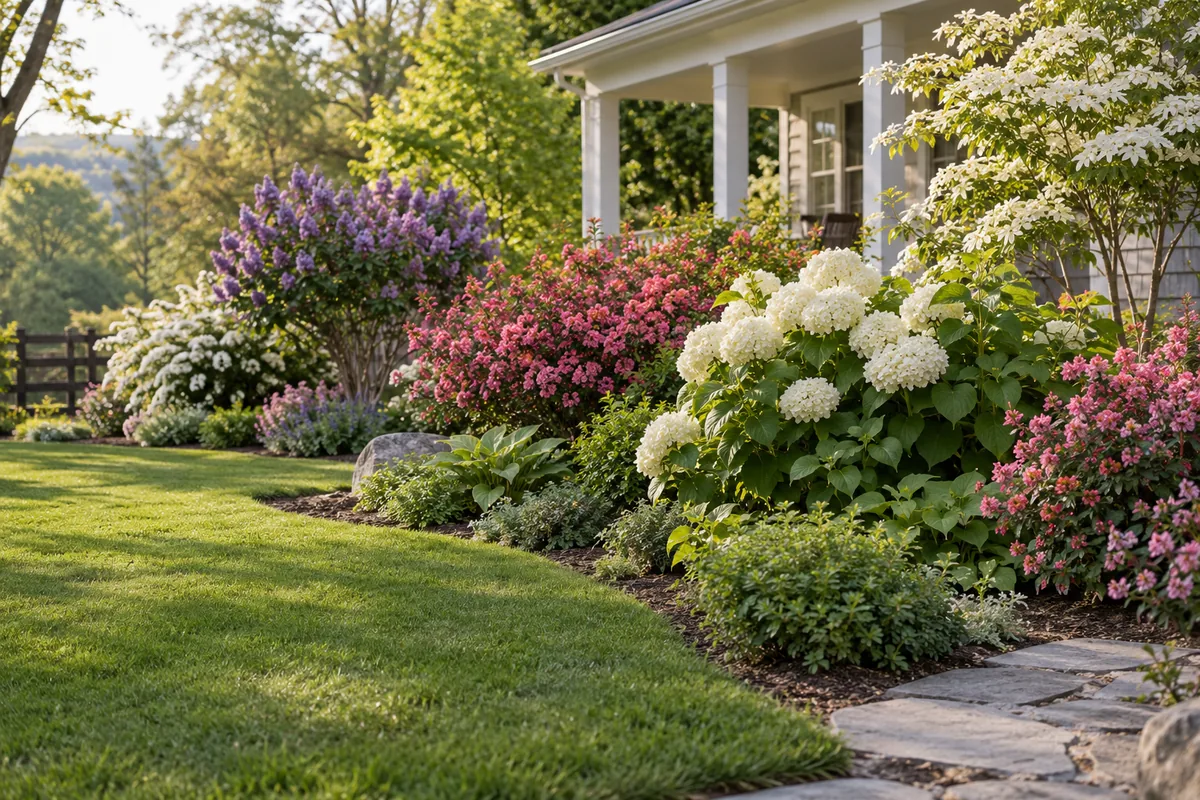
Flowering Shrubs for a Seasonal Border with Clear Structure
Learn how flowering shrubs fit your yard, with practical material, placement, upkeep, and safety questions to review before choosing a visual direction.
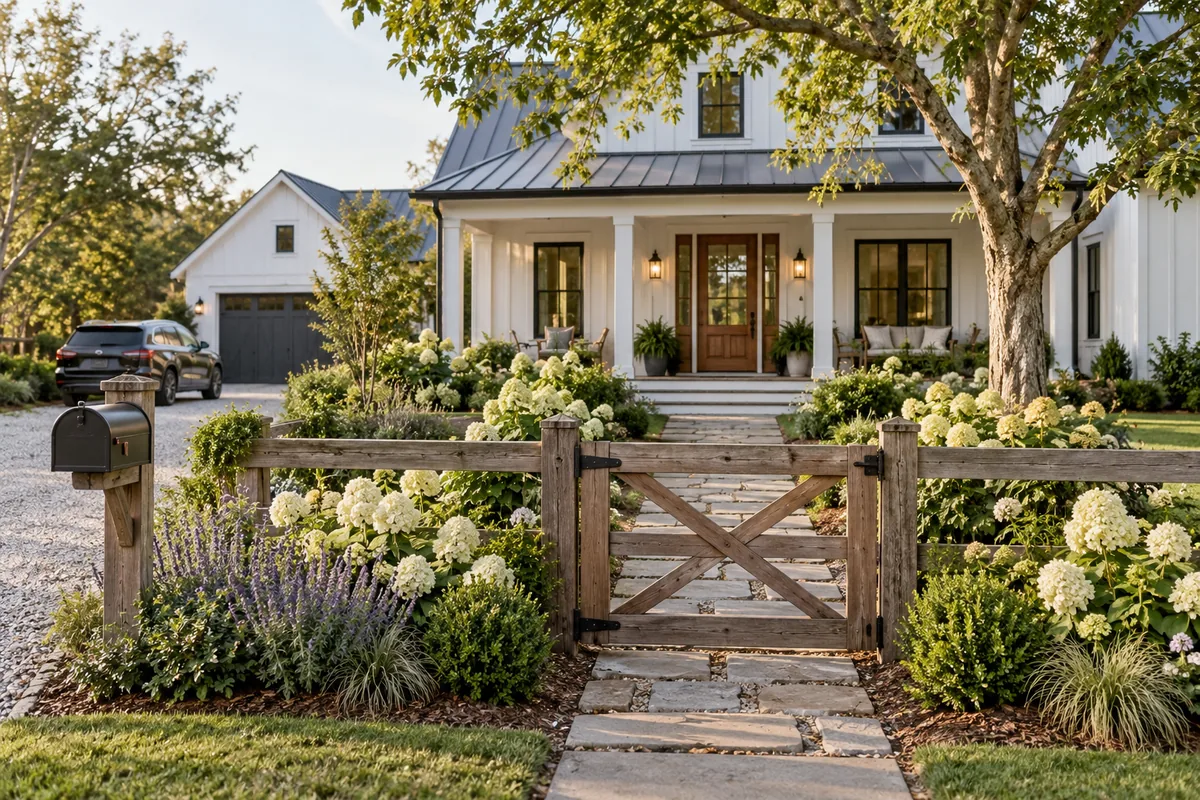
Farmhouse front yard ideas with a useful, welcoming framework
Discover farmhouse front yard ideas for working gates, sturdy boundaries, warm materials, practical planting, and an entrance that supports everyday arrivals.
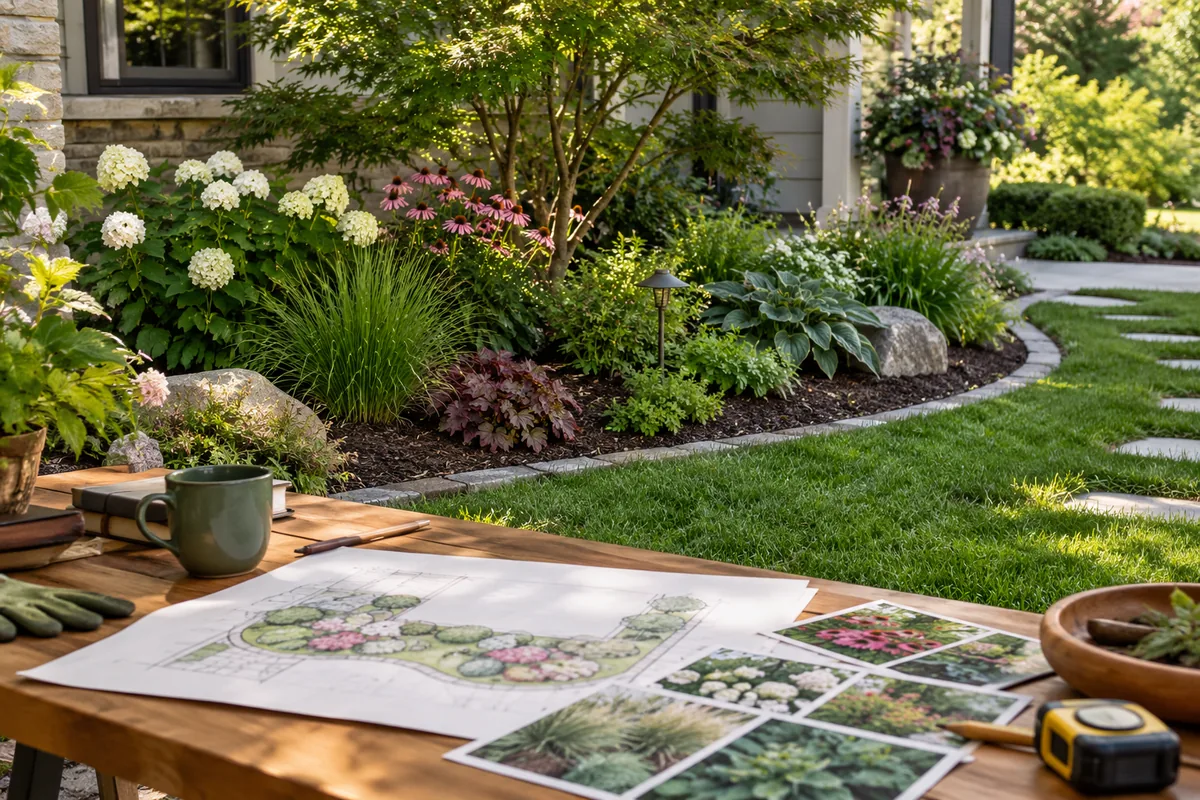
How to Design a Garden Bed Around Real Site Conditions
Design a garden bed by testing its outline, planting roles, mature growth, and maintenance access before selecting locally suitable plants and edging.
What Is Layered Planting in Landscape Design?
Learn what layered planting means in landscape design, with a practical yard example, related terms, and the site decisions to check before making changes.
What Is Microclimate in Landscape Design?
Learn what microclimate means in landscape design, with a practical yard example, related terms, and the site decisions to check before making changes.