
AI Landscape Design 团队撰写 · 编辑方针
What Is Xeriscaping in Landscape Design?
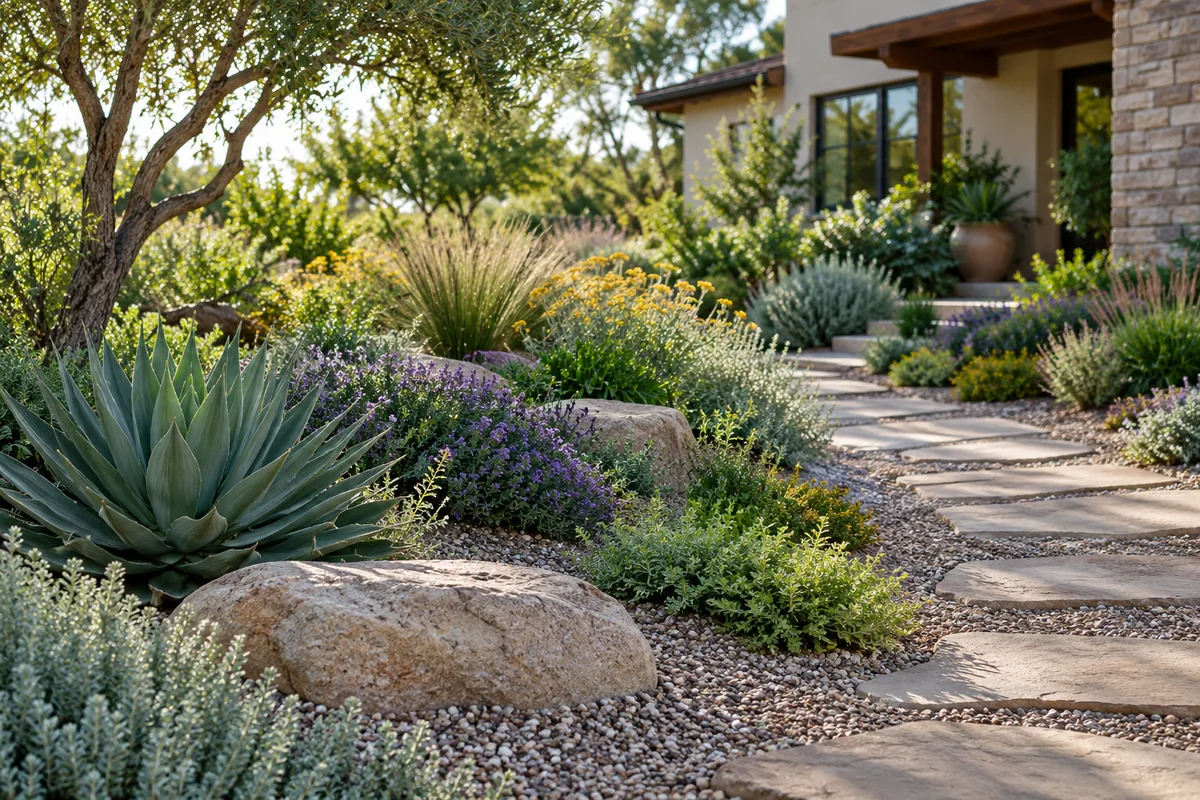
Xeriscaping is a landscape approach that reduces the need for supplemental irrigation through locally appropriate planting, soil management, and deliberate choices about how outdoor space is used. It is not a synonym for covering a yard with gravel or growing only cacti. The approach relates plants and water use to actual conditions. Local climate, soil, maintenance, and establishment needs still matter when choosing how a garden should look.
发布日期 · 阅读约 2 分钟
要点
- Xeriscaping addresses water use rather than a single look.
- Local plant requirements guide the arrangement.
- Establishment care still needs assessment.
How is xeriscaping used in landscape design?
Begin with the areas that need planting and the reasons they are used. Grouping compatible needs can make irrigation decisions clearer than scattering unrelated plants throughout a border. According to EPA WaterSense, water-smart landscaping considers regional conditions and efficient irrigation. That principle does not prove that a plant labeled drought-tolerant will suit every dry-looking yard or need no establishment care.
What does xeriscaping look like in a yard?
A sunny backyard border might use locally suitable plants with compatible moisture needs beside an existing patio. Reducing an unused lawn area may be worth discussing, but replacing it with loose stone is not automatically the right answer. Check the USDA hardiness zone, soil, invasive status, and actual light locally. Preserve access and inspect how proposed surfaces affect the surrounding site.
Which terms help explain xeriscaping?
Drip irrigation describes a delivery method, while mulch covers soil. A microclimate explains local differences within the garden. An AI concept can explore the visual arrangement, but local advice must confirm species, irrigation needs, and site changes. A water-conscious appearance in an image is not evidence of actual water performance.
常见问题
Does xeriscaping mean no plants?
Xeriscaping can include substantial planting suited to confirmed local conditions. The objective concerns supplemental water needs rather than a barren appearance. Choose plants by their actual requirements and avoid assuming that stone-covered ground provides the same benefits as appropriate living vegetation.
Are native plants always suitable for xeriscaping?
A native plant’s needs depend on the conditions it naturally occupies. Some require more moisture than a particular yard can provide. Verify local native status, soil, light, and water needs rather than treating the word native as a guarantee of low irrigation.
Do xeriscaped plants need water after planting?
Establishment and later care depend on the plants and conditions. Do not promise that a drought-tolerant label eliminates watering. A local horticultural professional can help assess the actual planting and irrigation needs before a new landscape is installed.
参考来源
相关阅读
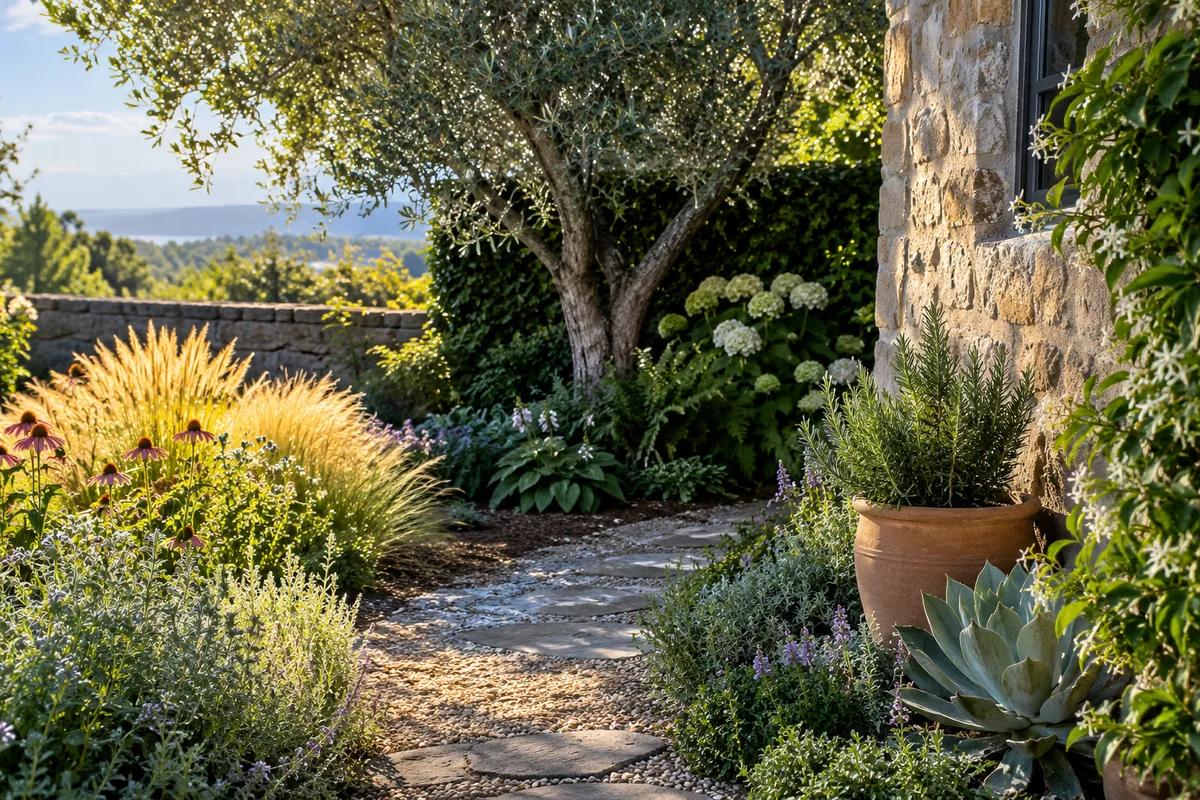
What Is Microclimate in Landscape Design?
Learn what microclimate means in landscape design, with a practical yard example, related terms, and the site decisions to check before making changes.
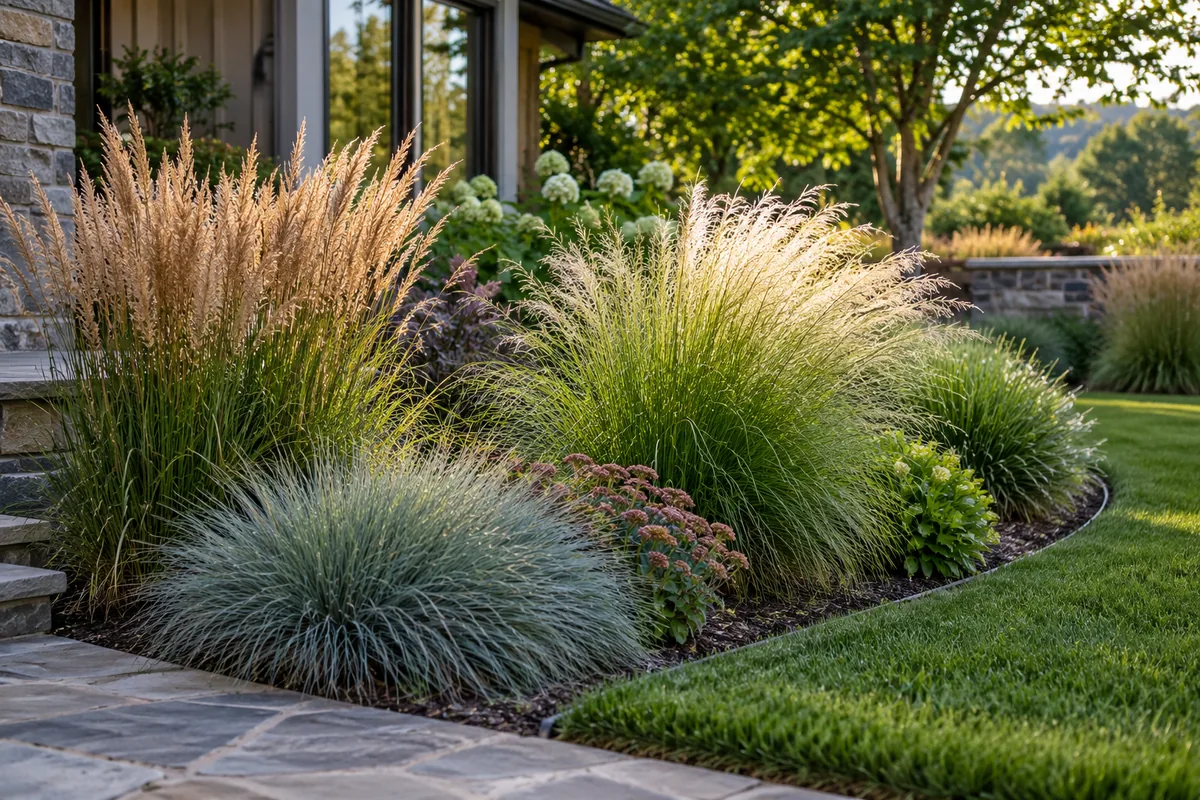
Ornamental Grasses for Seasonal Texture and Clear Edges
Ornamental Grasses: Seasonal Texture and Fit: explore placement, upkeep, and local safety questions before deciding how this feature fits your yard.
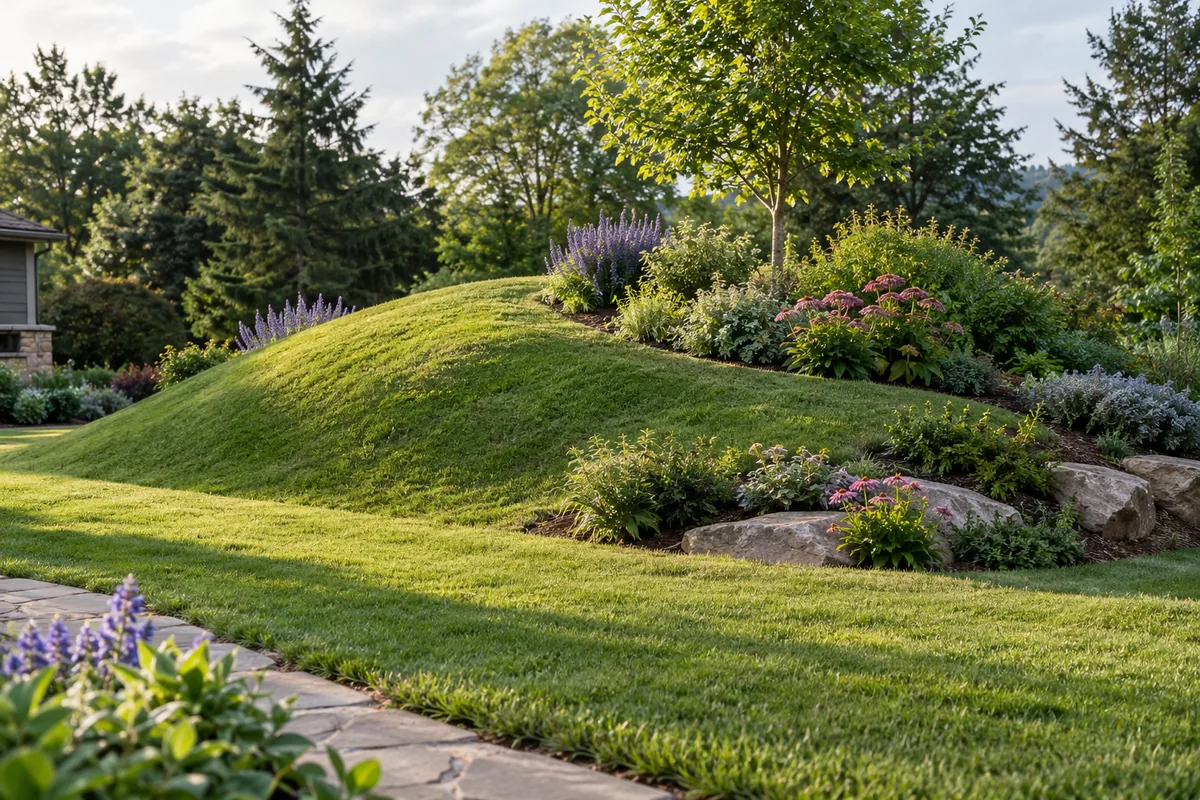
What Is Berm in Landscape Design?
Learn what berm means in landscape design, with a practical yard example, related terms, and the site decisions to check before making changes.
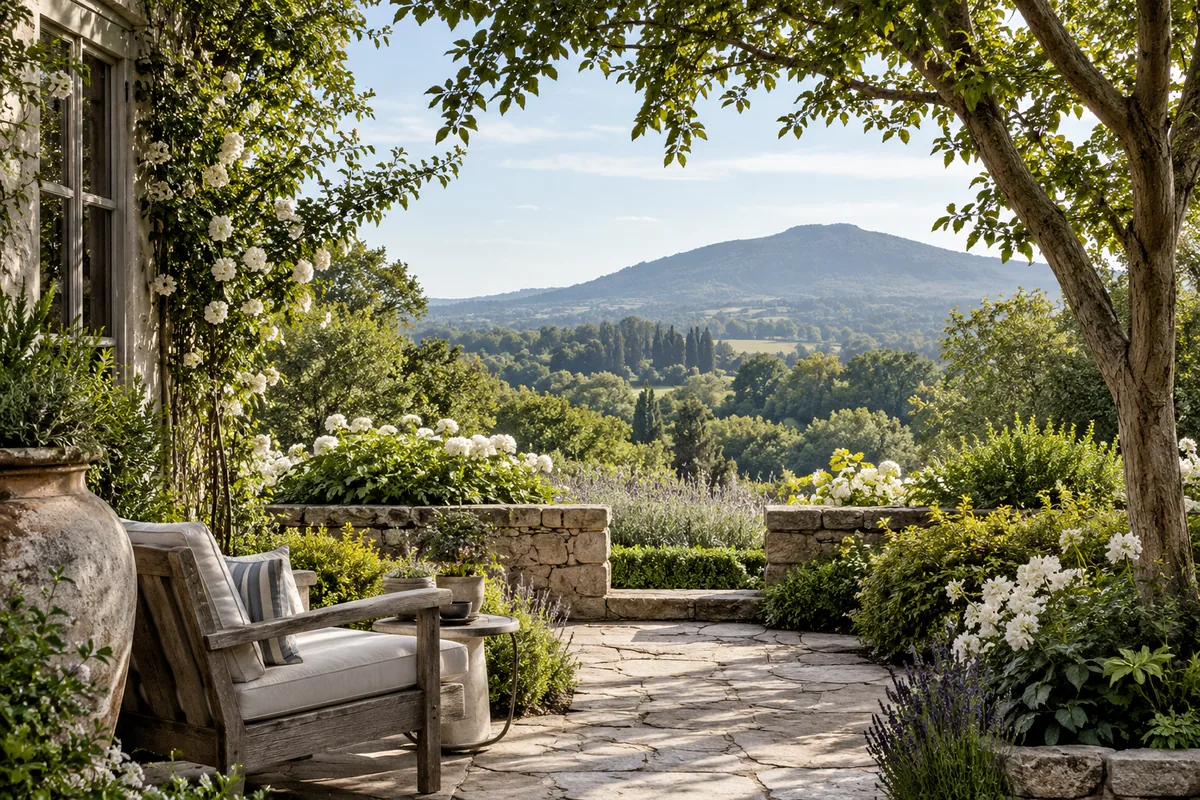
What Is Borrowed Scenery in Landscape Design?
Learn what borrowed scenery means in landscape design, with a practical yard example, related terms, and the site decisions to check before making changes.
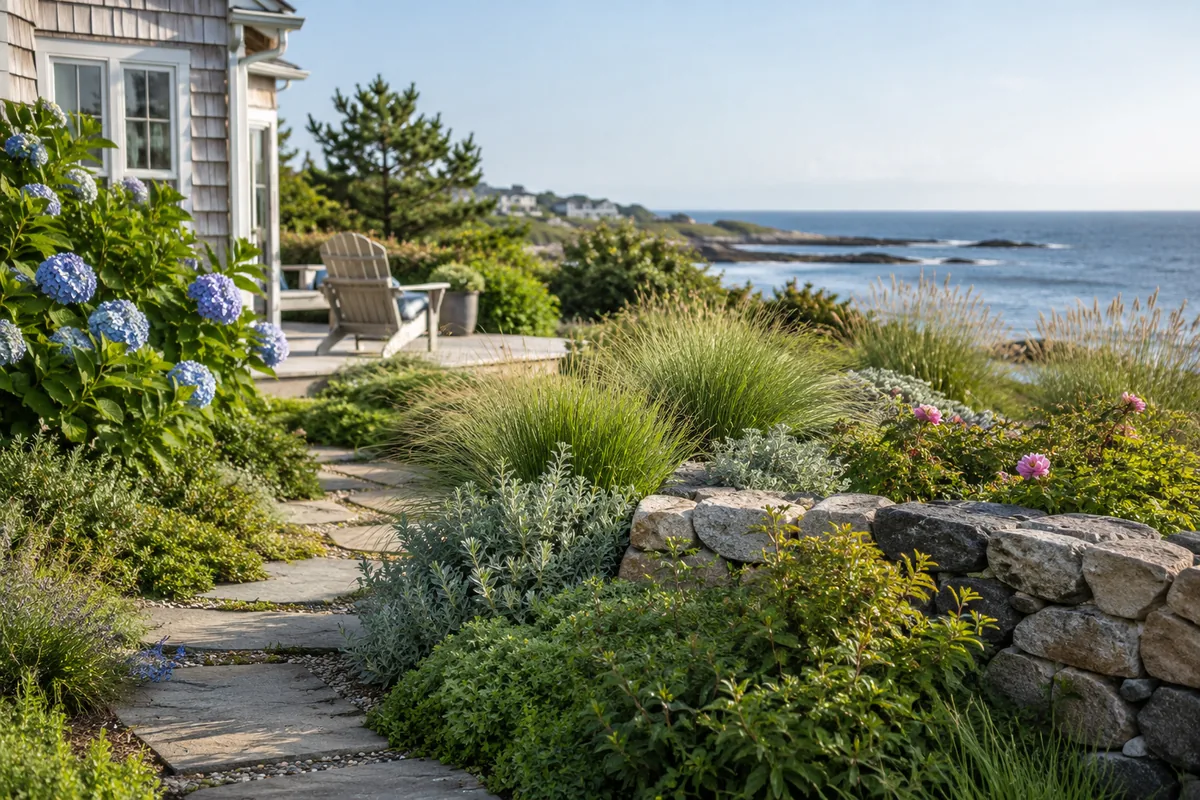
Coastal Landscaping Guide: Exposure and Planting
Plan coastal landscaping around actual wind and salt exposure, local growing conditions, stable outdoor use, and professional checks of structures and drainage.
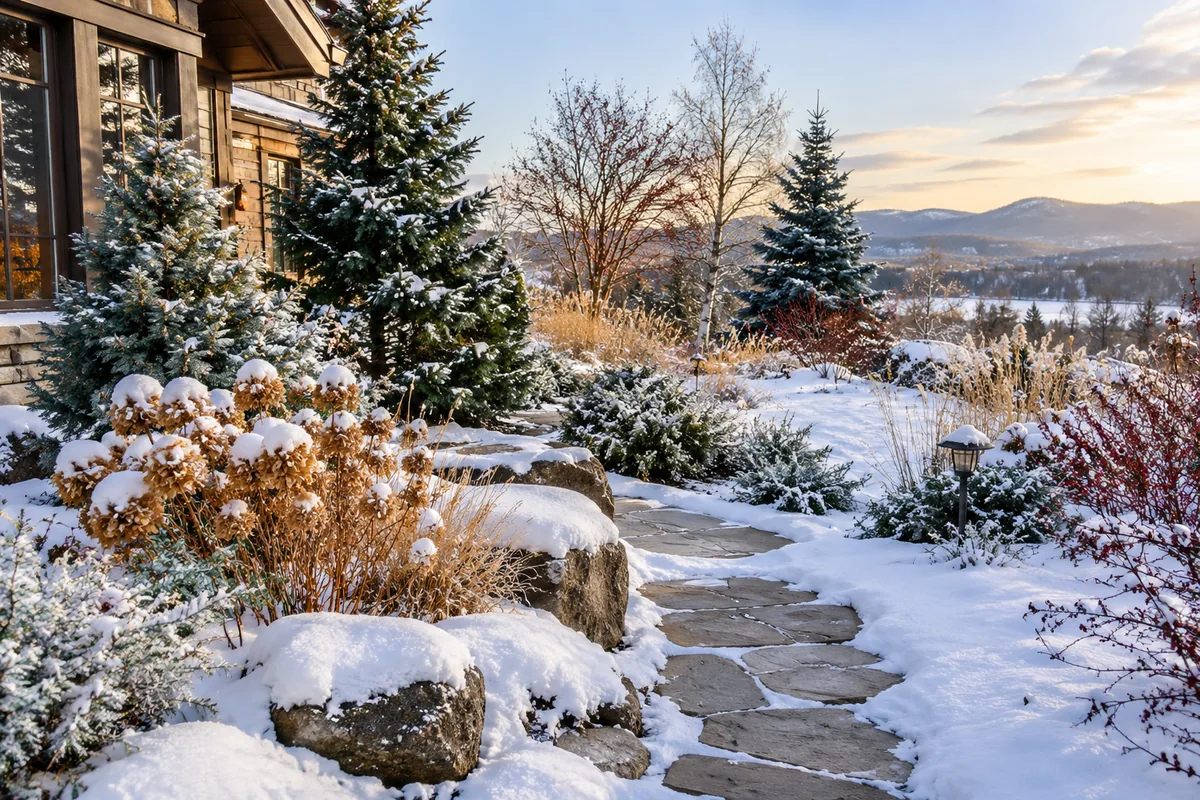
Landscaping for Cold Winter Climates
Plan cold-winter gardens with verified plant hardiness, seasonal views, usable access, and professional checks of surfaces and frost-related construction.